Media Home
 UN Web TV
 UN Audiovisual Library
 UN Photo
SOMALIA / LOWER SHABELLE CLASHES
Download
There is no media available to download.
Share
STORY: SOMALIA / LOWER SHABELLE CLASHES
TRT: 2.23
SOURCE: UNSOM
RESTRICTIONS: NONE
LANGUAGE: ENGLISH / NATS
DATELINE: 10 JULY 2014, MARKA, SOMALIA
1. Various shots, passengers disembarking from the helicopter
2. Wide shot, tent where the meeting was held
3. Med shot, attendants of the meeting inside the tent
4. Wide shot, representatives of humanitarian partners as they listen to the civilians from the area
5. Close up, man writes on notebook
6. Wide shot, AMISOM personnel and representatives of humanitarian partners walk past a convoy
7. Wide shot, AMISOM personnel and representatives of humanitarian partners walk past a barbed wire
8. Wide shot, representatives of humanitarian partners prepare to enter armoured vehicle
9. Wide shot, hospital entrance
10. Wide shot, representatives of humanitarian partners approaching the hospital entrance
11. Wide shot, doctor attending to patient
12. Med shot, patient receiving treatment from doctor
13. Med shot, doctors check on the IV drips
14. Close up, IV drips
15. SOUNDBITE (English) Dr. Ahmed El Ganainy, World Health Organization:
“It is very clear that Marka town and outside, we have a population of about half a million, and one third of this population are IDPs. They have been deprived of health services, social services and support for a long time. A new embryonic governance is coming up and it is a situation where you will have a longer history of low immunity within the population, low access to health services, it increases the vulnerability of the population to outbreaks of curable diseases and vaccine preventable diseases and we saw today a lot of Measles cases reported; that was the need.”
16. Wide shot, office entrance
17. Wide shot, meeting with local stuff and representatives of humanitarian partners
18. Med shot, humanitarian partners while at the meeting
19. Close up, Dr. Ahmed El Ganainy from the World Health Organization
20. Wide shot, local staff and civilians during meeting
21. Med shot, local staff and civilians during meeting
22. SOUNDBITE (English) Crispen Rukasha, OCHA:
“As a way forward, we hope that the humanitarian partners will come together through the clusters and try to respond to these urgent needs that we have identified, more so we hope that two tribes will come together and reconciliation is very critical so that there is peace once there is peace it means there is also access which allows humanitarian actors to come and provide the needed services.”
23. Wide shot, walking away from the hospital
24. Wide shot, Representatives of humanitarian partners entering the vehicles.
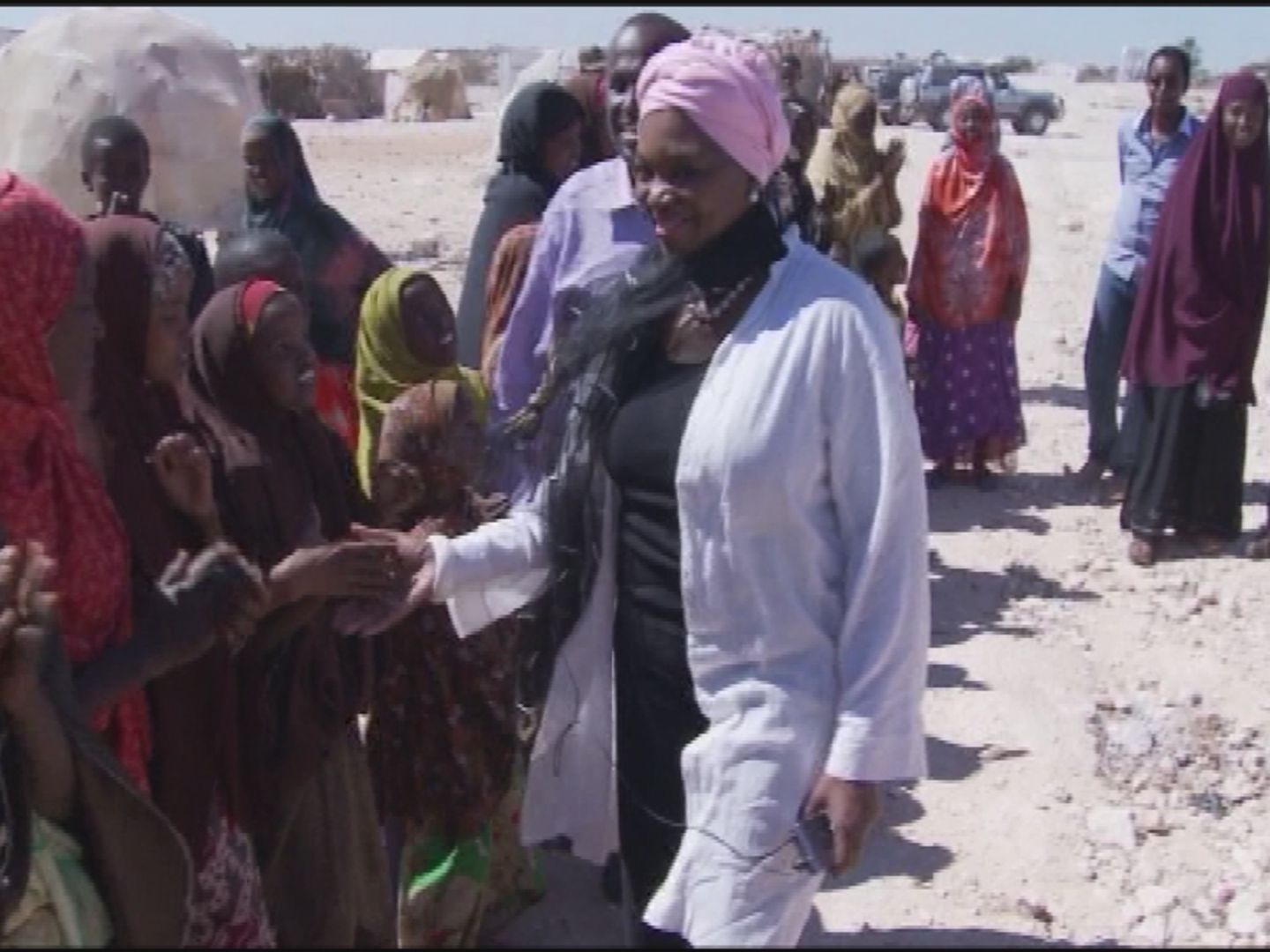
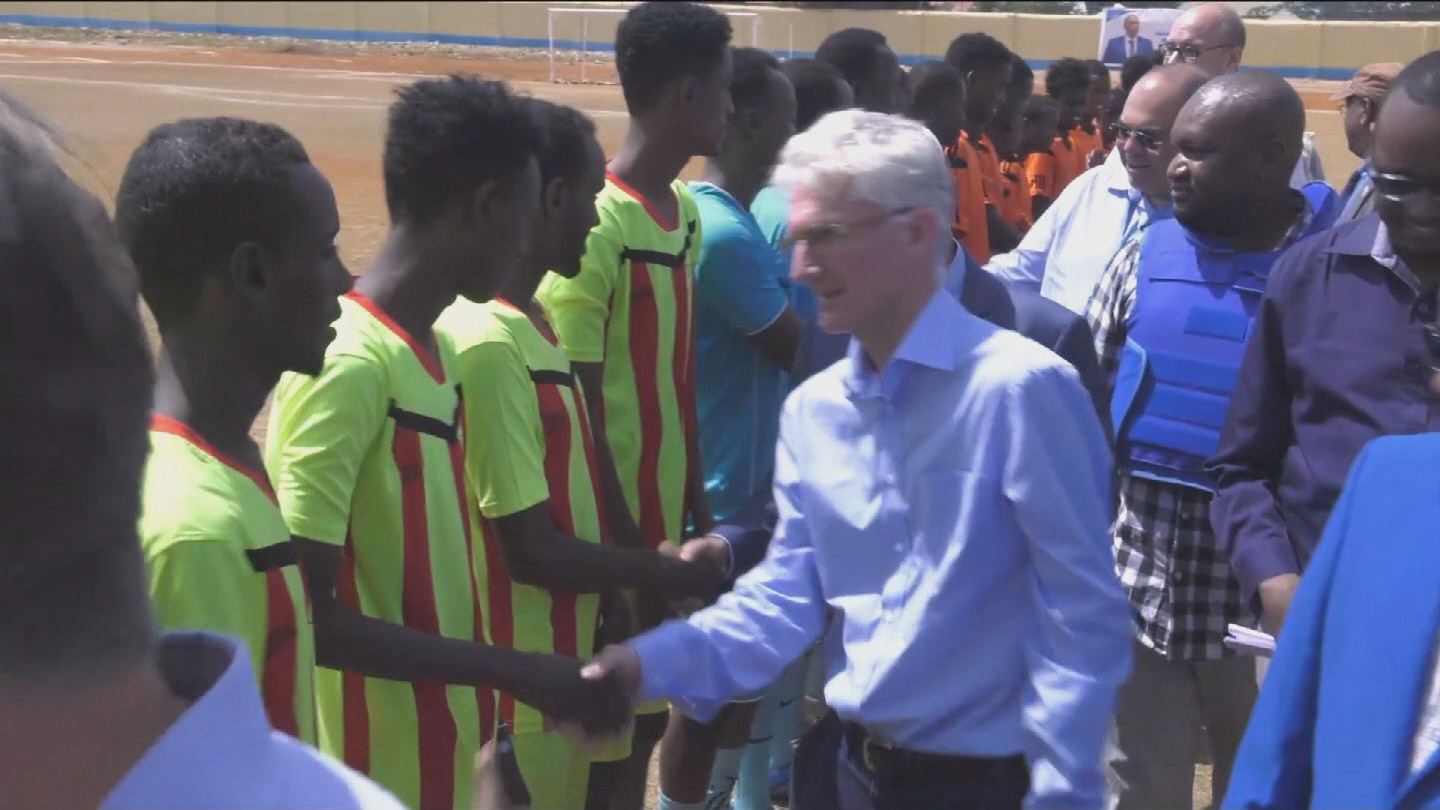
Humanitarian partners led by the UN Office for the Coordination of Humanitarian Affairs (OCHA) on Wednesday (9 July) visited the town of Marka in the Lower Shabelle region in an effort to assess living conditions in the area.
This follows ethnic clashes in the last few weeks between two clans in the area. The conflict has led to the displacement of thousands of civilians who have sought shelter in makeshift camps scattered across the town. The risk of disease and starvation remains a concern in these camps. Businesses have also come to a standstill as a result of the conflict while schools remain closed.
“It is very clear that Marka town and outside, we have a population of about half a million, and one third of this population are IDPs. They have been deprived of health services, social services and support for a long time. A new embryonic governance is coming up and it is a situation where you will have a longer history of low immunity within the population, low access to health services, it increases the vulnerability of the population to outbreaks of curable diseases and vaccine preventable diseases and we saw today a lot of Measles cases reported; that was the need,” said Dr. Ahmed El Ganainy from the World Health Organization after visiting the Marka General Hospital, which serves as the main hospital in the region. The entire hospital is served by one nurse and has no medical doctor.
According to OCHA’s Crispen Rukasha, time is running for the humanitarian actors to deliver much needed assistance in the area. “As a way forward, we hope that the humanitarian partners will come together through the clusters and try to respond to these urgent needs that we have identified,” he said while urging the clans to reconcile in order to allow access for humanitarian assistance.
“We hope that the two tribes will come together and reconciliation is very critical so that there is peace. Once there is peace, it means there is also access which will allow humanitarian actors to come in to provide the needed services,” he said.
The team led by OCHA also included representatives from Protection, Health, WASH (water, sanitation and hygiene) and Nutrition clusters Marka lies 75 kilometres south of Mogadishu on the Indian Ocean coast.