Media Home
 UN Web TV
 UN Audiovisual Library
 UN Photo
UN / GENOCIDE PREVENTION
Download
There is no media available to download.
Share
STORY: UN / GENOCIDE PREVENTION
TRT: 03:15
SOURCE: UNIFEED / UNHCR / UNICEF
RESTRICTIONS: PLEASE CREDIT UNHCR AND UNICEF FOOTAGE ON SCREEN
LANGUAGE: ENGLISH / NATS
DATELINE: 28 MARCH 2018, NEW YORK CITY / FILE
FILE - UNHCR - OCTOBER 2017, BANGLADESH
1. Various shots, aerial views of people fleeing
28 MARCH 2018, NEW YORK CITY
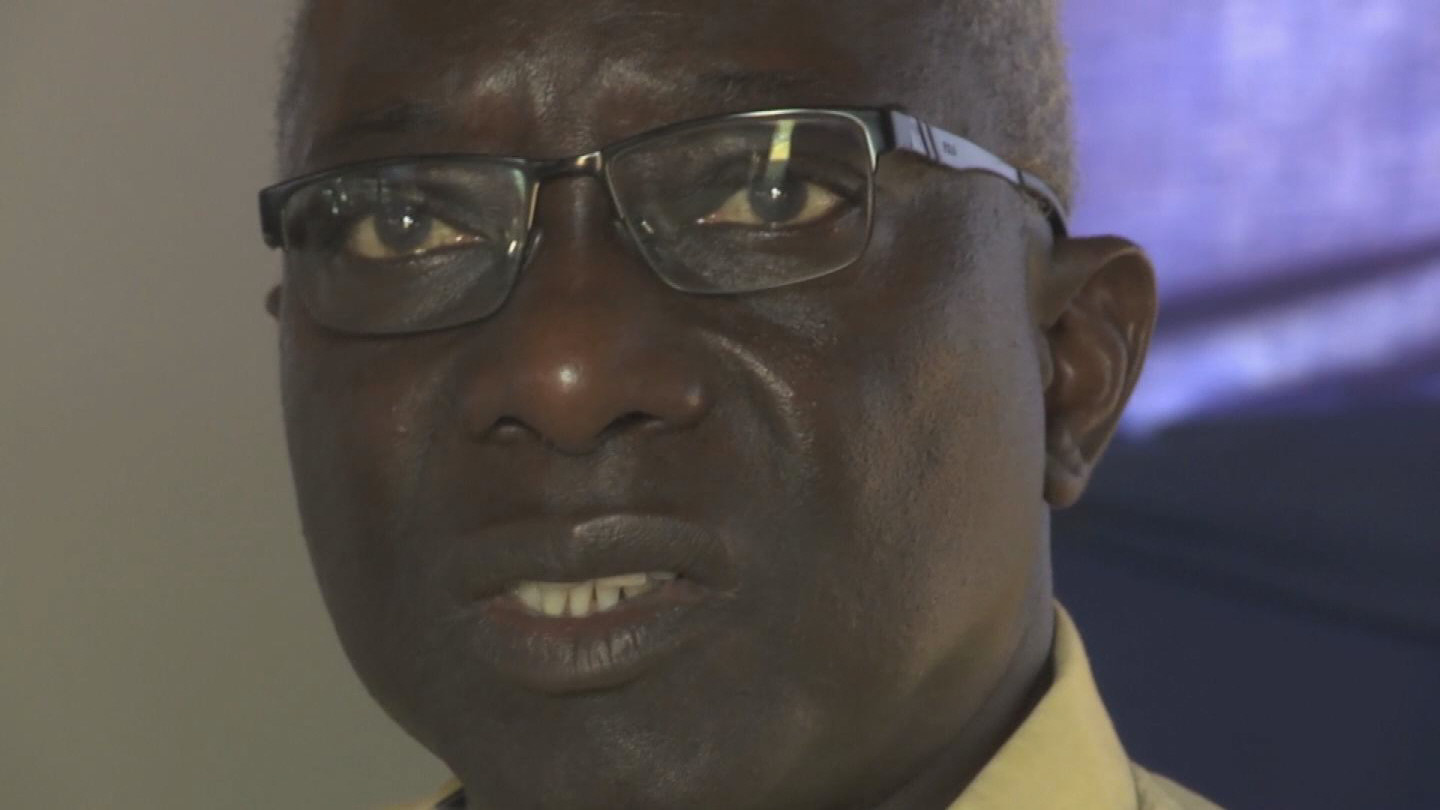
2. SOUNDBITE (English) Adama Dieng, UN Special Adviser on the Prevention of Genocide:
“I witnessed one of the most serious humanitarian crises we have ever faced. What I’m saying is that these people, who have been the longest persecuted group, have been forced to leave their villages to walk across Myanmar, crossing the border and arriving to Bangladesh, where hopefully they were received with generous hospitality.”
FILE - UNICEF - DECEMBER 2017, COX’S BAZAR, BANGLADESH
3. Wide shot, people walking through Kutapalong camp
4. Close up, young girl wrapped in blanket
5. Close up, baby wrapped in blanket
28 MARCH 2018, NEW YORK CITY
6. SOUNDBITE (English) Adama Dieng, UN Special Adviser on the Prevention of Genocide:
“The stories I have been told are stories of horror and these stories, when one day they will be brought before a court of justice, I have no doubt that they will be determined as crimes against humanity, as ethnic cleansing, and I would not also even exclude, if that is proven, that a court of justice determine that a genocide occurred in Myanmar.”
FILE - UNHCR - 13 MARCH 2018, KUTUPALONG REFUGEE CAMP, BANGLADESH
7. Pan right, family moving with their possessions
8. Tracking shot, kid sleeping on her mother’s shoulder while walking
28 MARCH 2018, NEW YORK CITY
9. SOUNDBITE (English) Adama Dieng, UN Special Adviser on the Prevention of Genocide:
“We need to make more efforts to bring to justice those criminals. Accountability is another form of prevention. We have seen it. Unfortunately, that in the context of Syria, we are still failing. And I hope that in the context of Myanmar the Security Council on the ground will put more pressure in the near future on the Myanmar authorities and draw their attention to the fact that now, more than ever, impunity will no longer be allowed. And we cannot allow human beings to be killed simply because of who they are.”
FILE - UNICEF - DECEMBER 2017, COX’S BAZAR, BANGLADESH
10. Med shot, children collecting water from tube well pump
11. Close up, water pumped from tube well in Kutapalong camp
12. Wide shot, children queuing for water in Unchiprang camp
13. Various shots, child crossing bridge in camp
28 MARCH 2018, NEW YORK CITY
14. SOUNDBITE (English) Adama Dieng, UN Special Adviser on the Prevention of Genocide:
“The very same ruler today in Myanmar, Mrs. Aung San Suu Kyi, when she was being harassed, persecuted, she was calling on the world to interfere in Myanmar’s affairs, in the Burma affairs so that the country would become democratic. But today, she is the one saying that the world should not interfere. She is today aligned with the very same military who put her under house arrest for so many years.”
FILE - UNHCR - 13 MARCH 2018, KUTUPALONG REFUGEE CAMP, BANGLADESH
15. Aerial shot, camp
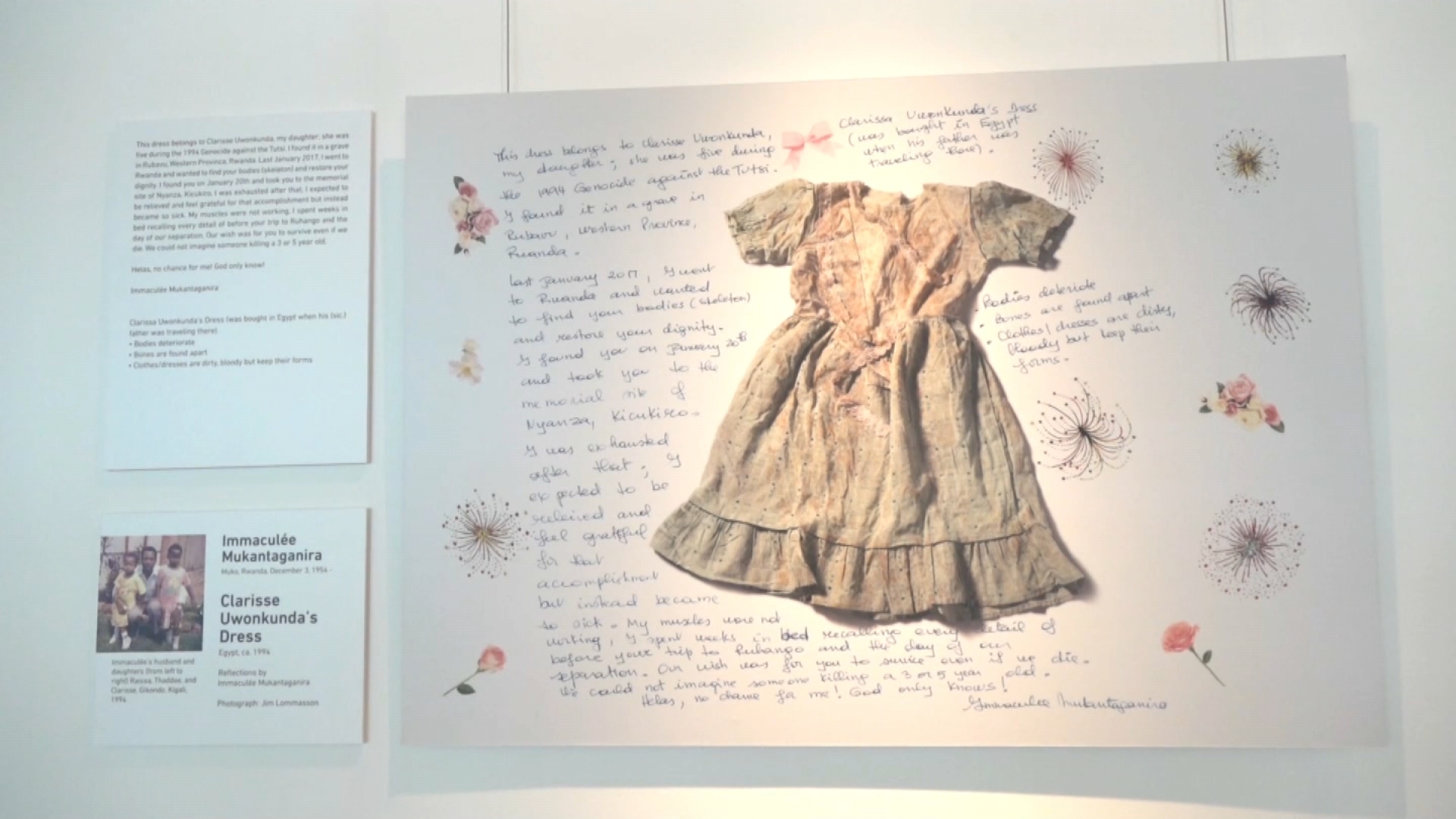
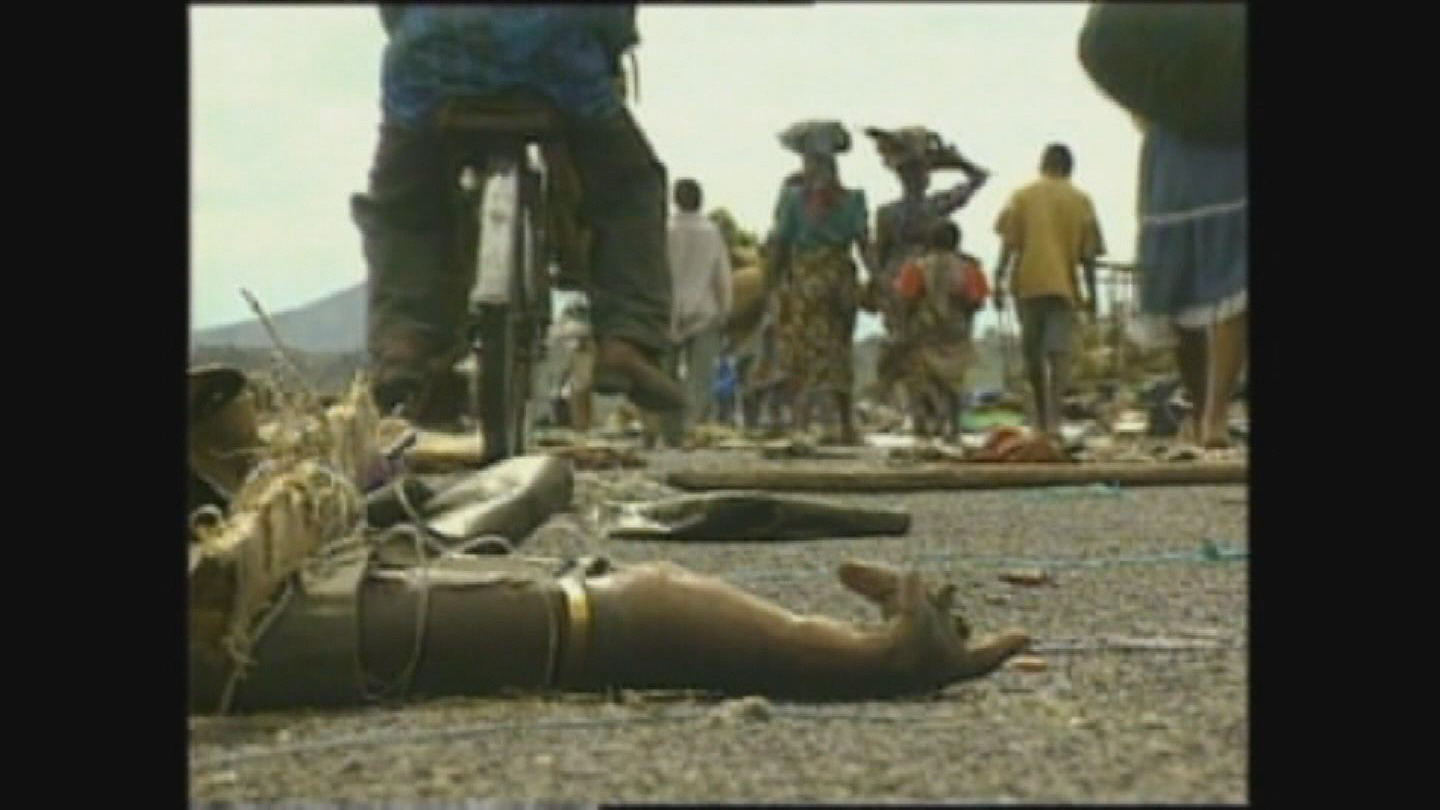
As the world officially remembers the genocidal murder of 800,000 Rwandans in 1994, the United Nations Special Adviser on the Prevention of Genocide, Adama Dieng, warned that ethnic cleansing and mass atrocities are being committed in Myanmar
Dieng said the brutal persecution of the Rohingya, which has caused more than one million members of the ethnic and religious minority to flee to Bangladesh, is “one of the most serious humanitarian crises we have ever faced.”
The Special Advisor said the horrific acts committed against the Rohingya will one day be brought before an international court, and “will be determined as crimes against humanity, as ethnic cleansing” and possibly as genocide.
Dieng stressed that “we need to make more efforts to bring to justice those criminals.”
He said “accountability is another form of prevention. We have seen it. Unfortunately, that in the context of Syria, we are still failing. And I hope that in the context of Myanmar the Security Council on the ground will put more pressure in the near future on the Myanmar authorities and draw their attention to the fact that now, more than ever, impunity will no longer be allowed. And we cannot allow human beings to be killed simply because of who they are.”
Dieng also called for regional organizations to play a bigger role applying pressure on governments.
He said “the very same ruler today in Myanmar, Mrs. Aung San Suu Kyi, when she was being harassed, persecuted, she was calling on the world to interfere in Myanmar’s affairs, in the Burma affairs so that the country would become democratic. But today, she is the one saying that the world should not interfere. She is today aligned with the very same military who put her under house arrest for so many years.”
In 1948, following the horrors of the Second World War, the fledgling UN adopted The Convention on the Prevention and Punishment of the Crime of Genocide. Genocide was defined as certain acts committed “with intent to destroy, in whole or in part, a national, ethnical, racial or religious group.”
At the UN World Summit in 2005, all Member States formally accepted the responsibility to protect their populations from “genocide, war crimes, ethnic cleansing and crimes against humanity.” They also agreed that when countries fail to do so, the international community has an obligation to intervene, through action by the Security Council and in accordance with the UN Charter.
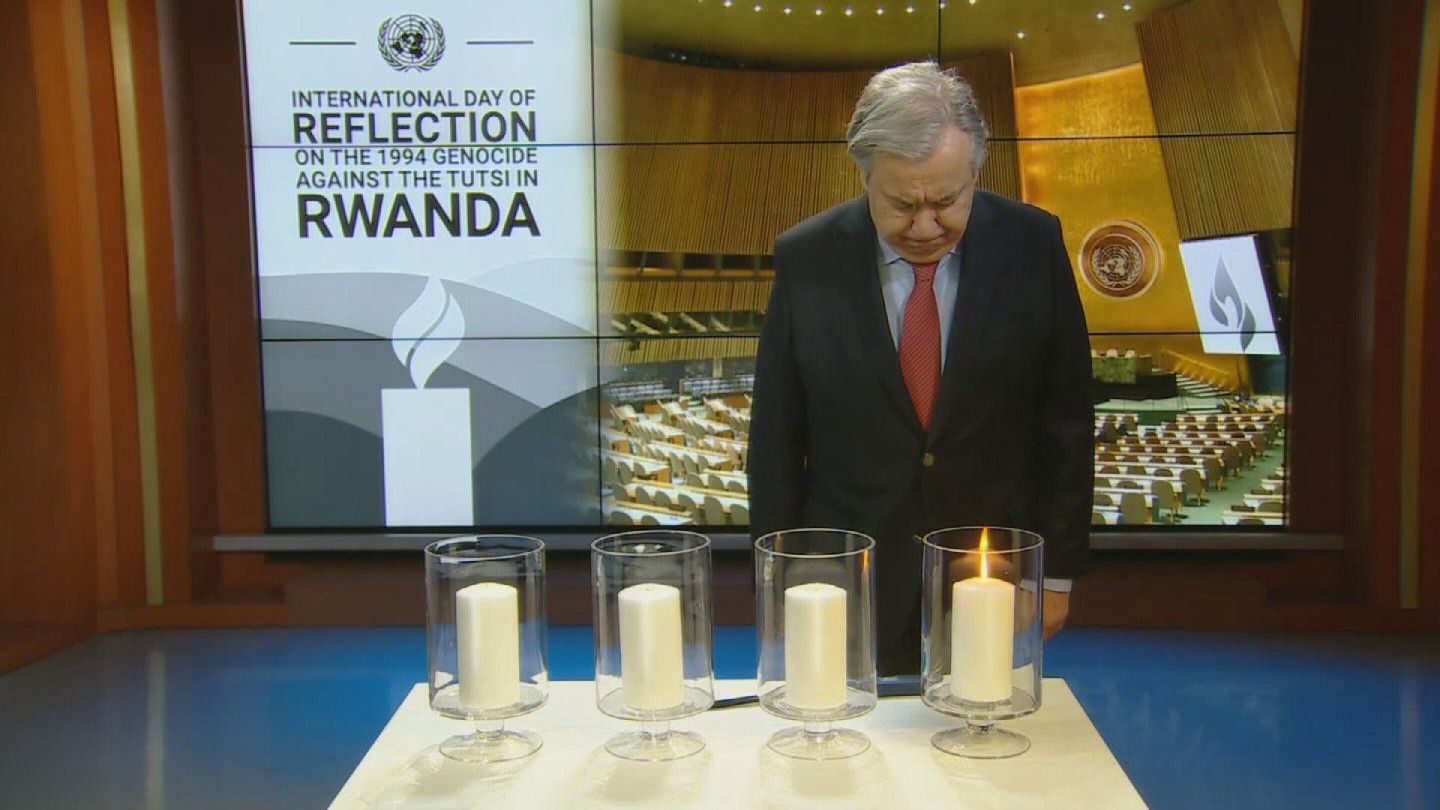
In memory of the Rwandan victims – and as a sombre reminder of the international community’s failure to intervene – the UN observes 7 April every year as an “international day of reflection.”