Media Home
 UN Web TV
 UN Audiovisual Library
 UN Photo
WHO / HEALTH EMERGENCIES
Download
There is no media available to download.
Share
STORY: WHO / HEALTH EMERGENCIES
TRT: 5:47
SOURCE: WHO
RESTRICTIONS: NONE
LANGUAGE: ENGLISH / NATS
DATELINE: 18 APRIL 2023, GENEVA, SWITZERLAND
RECENT – GENEVA
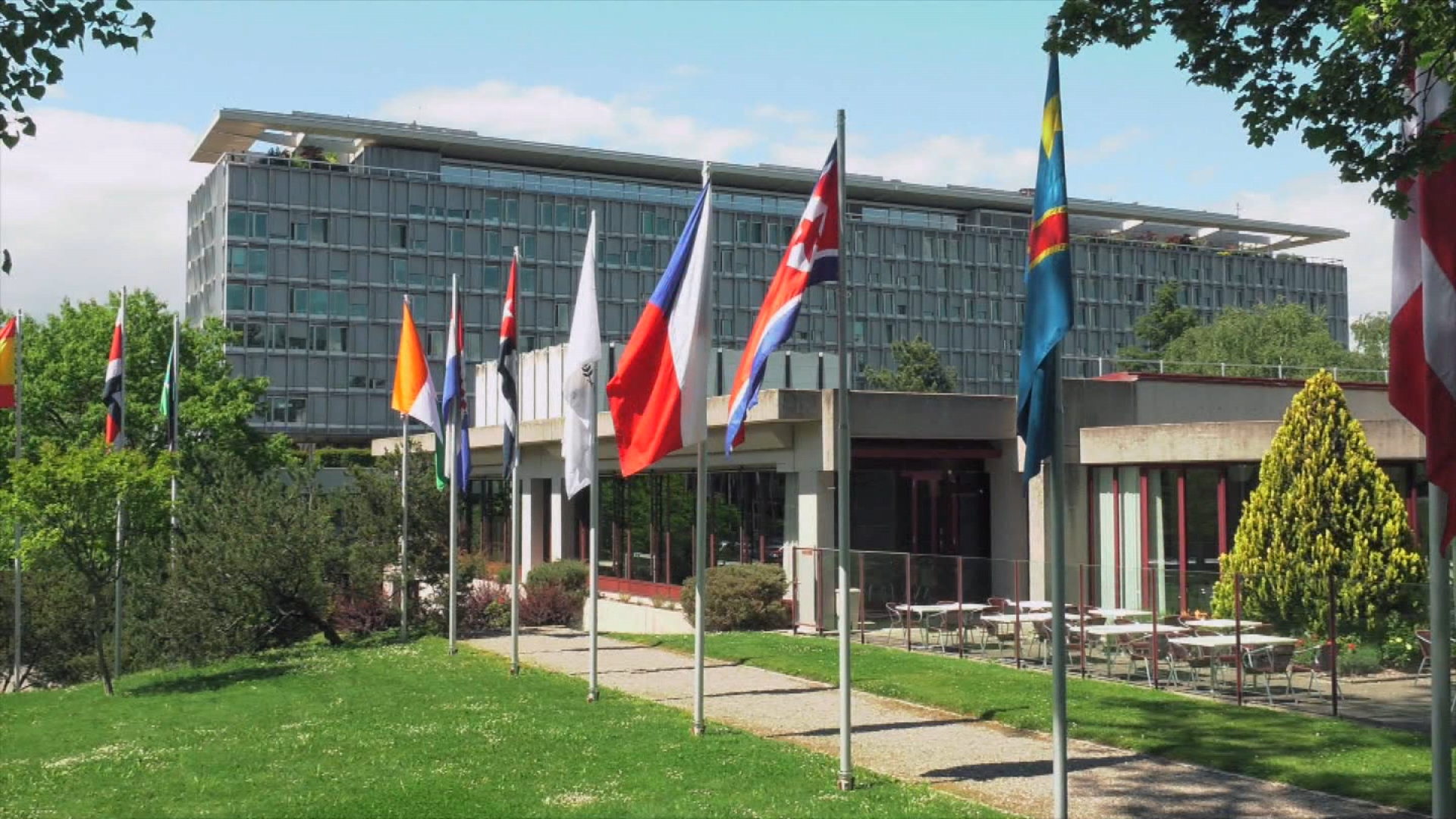
1. Wide shot, exterior, WHO Headquarters
18 APRIL 2023, NEW YORK CITY
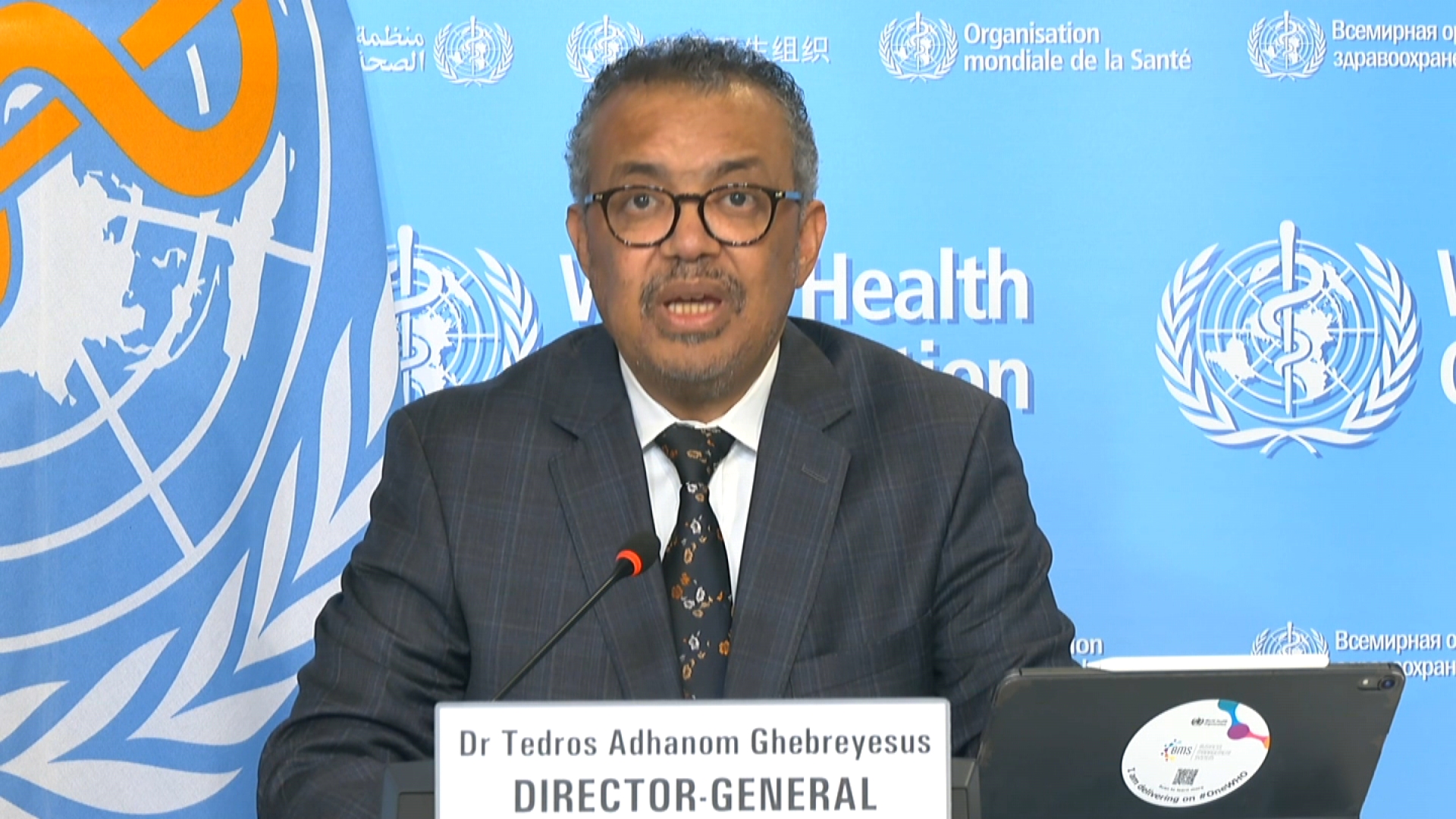
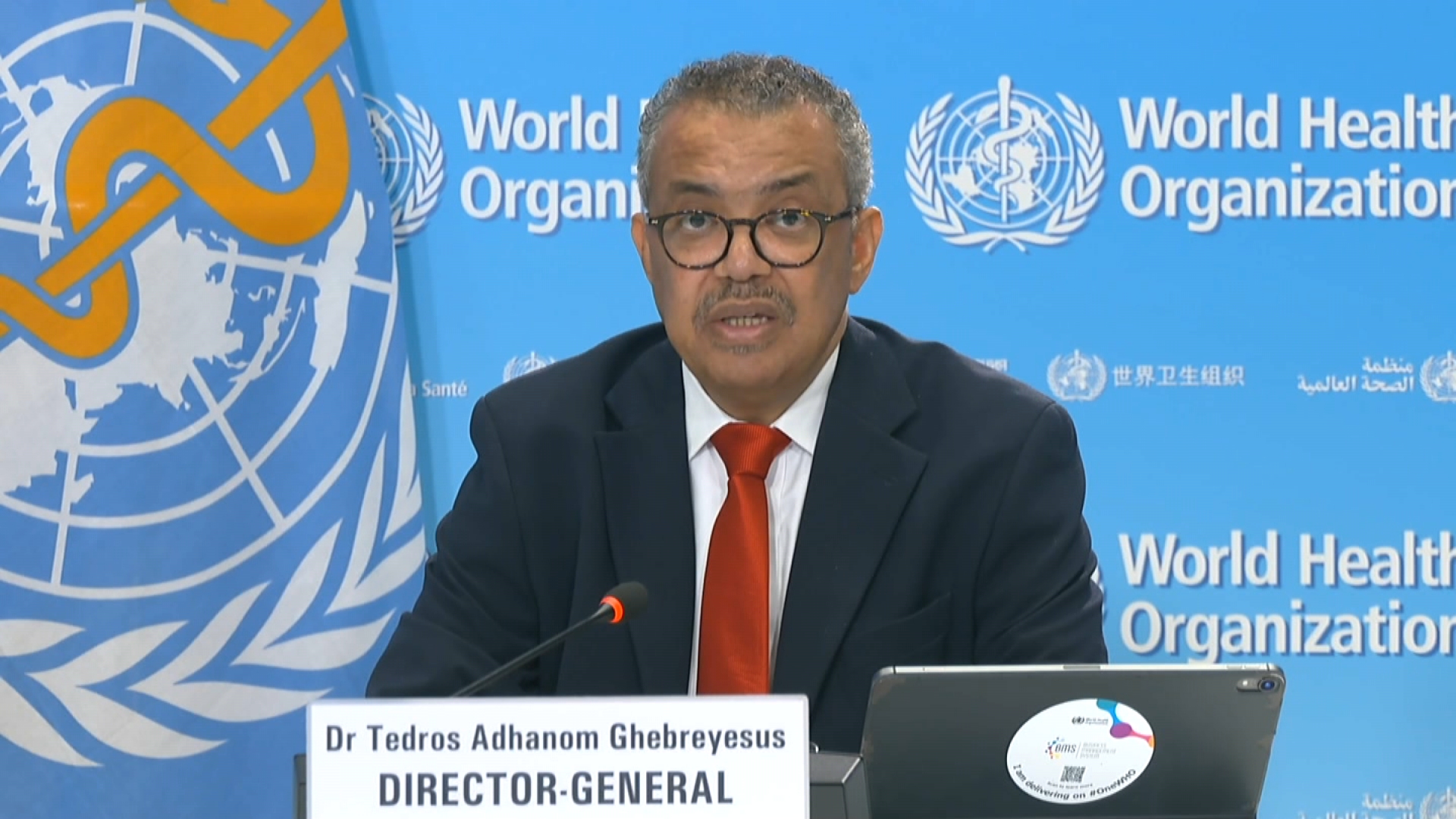
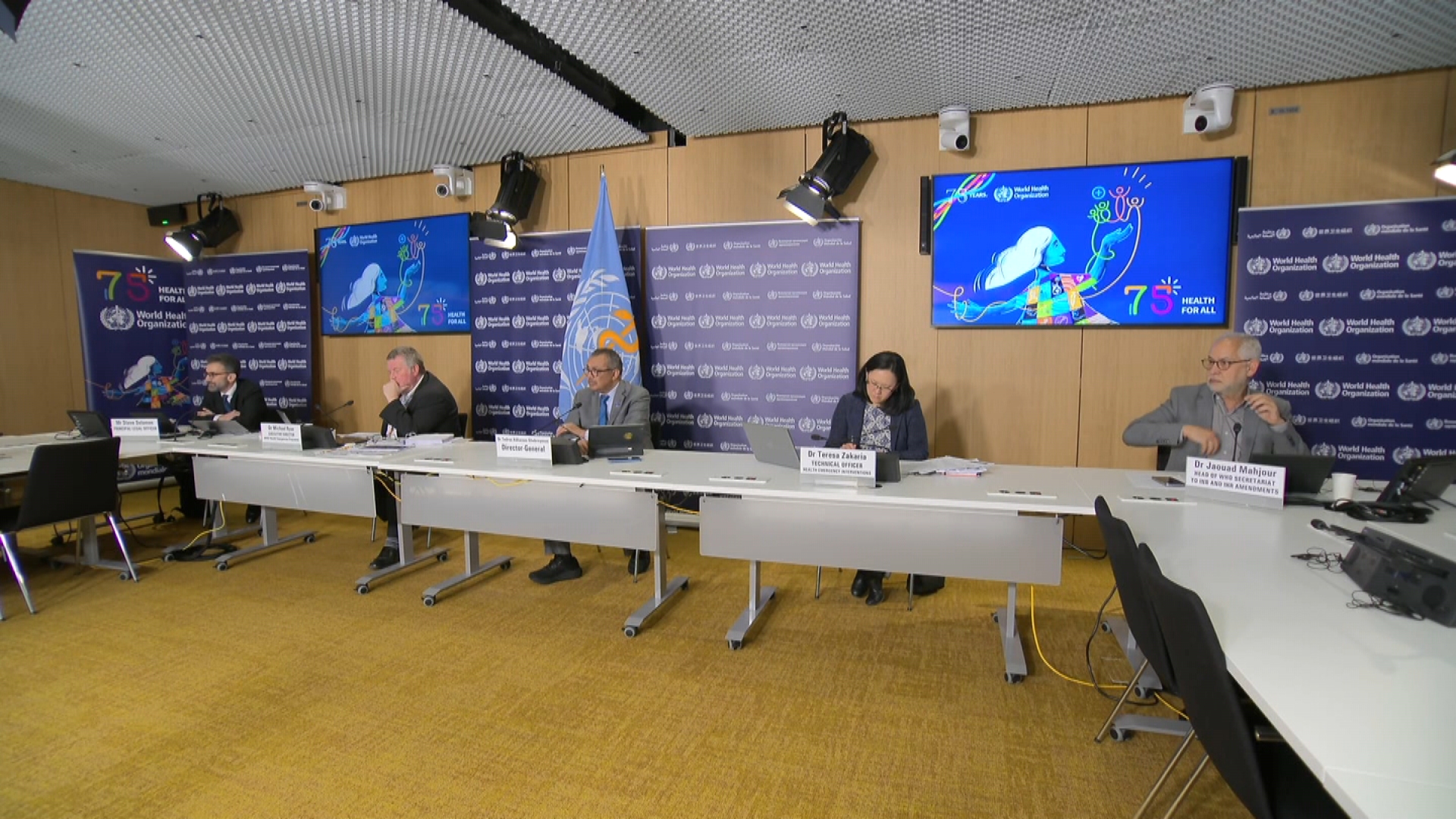
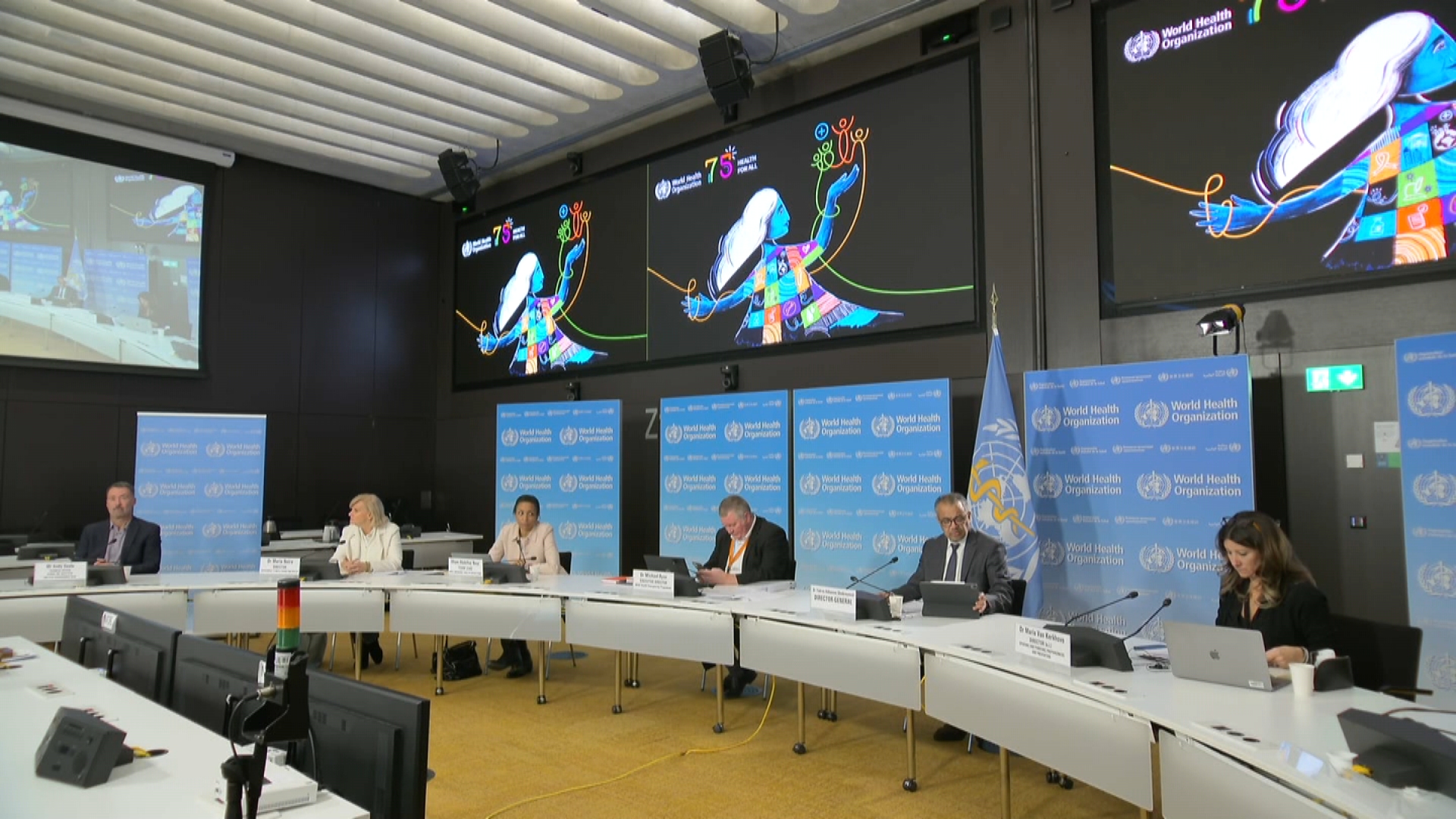
2. Wide shot, press briefing room
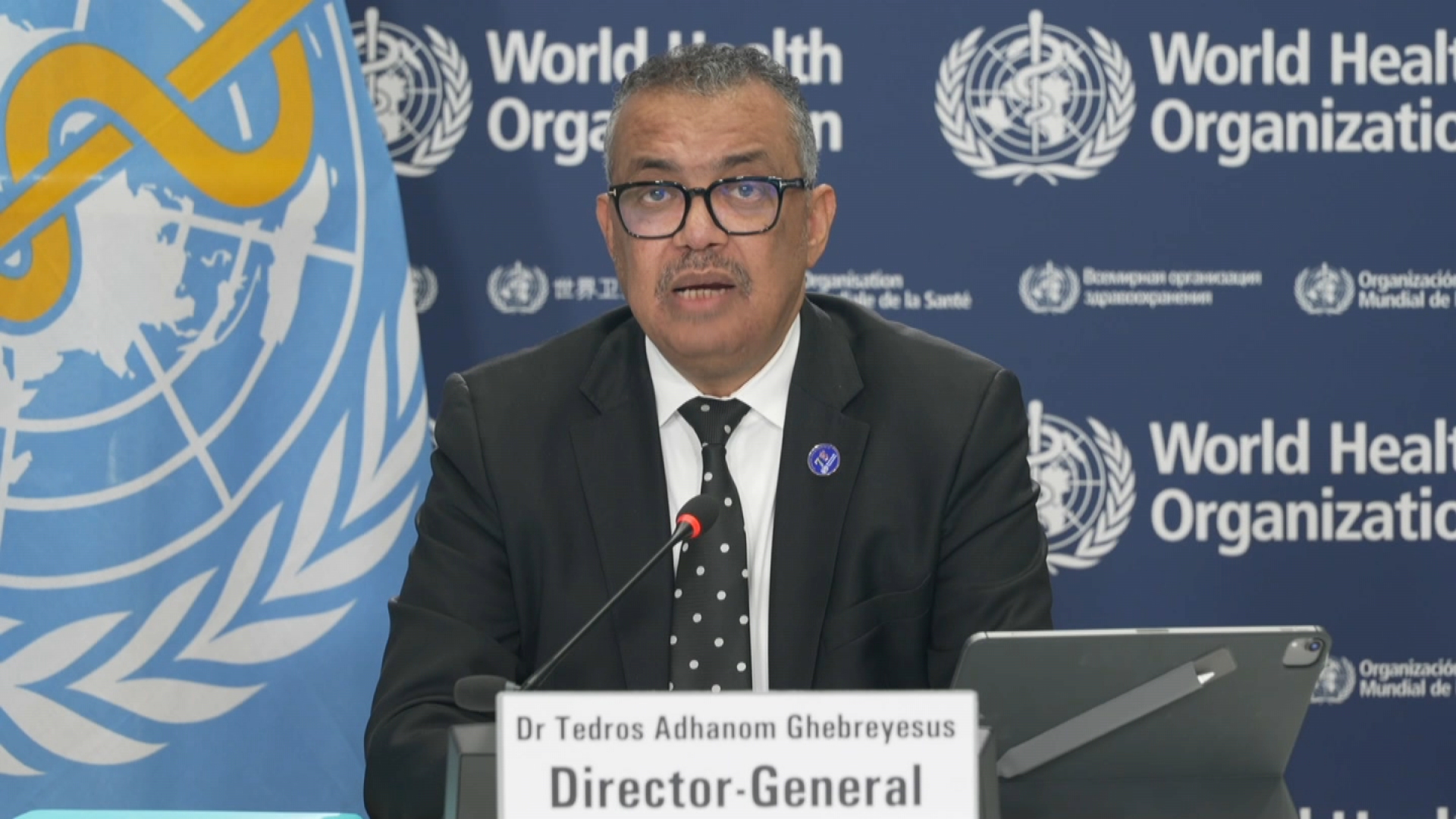
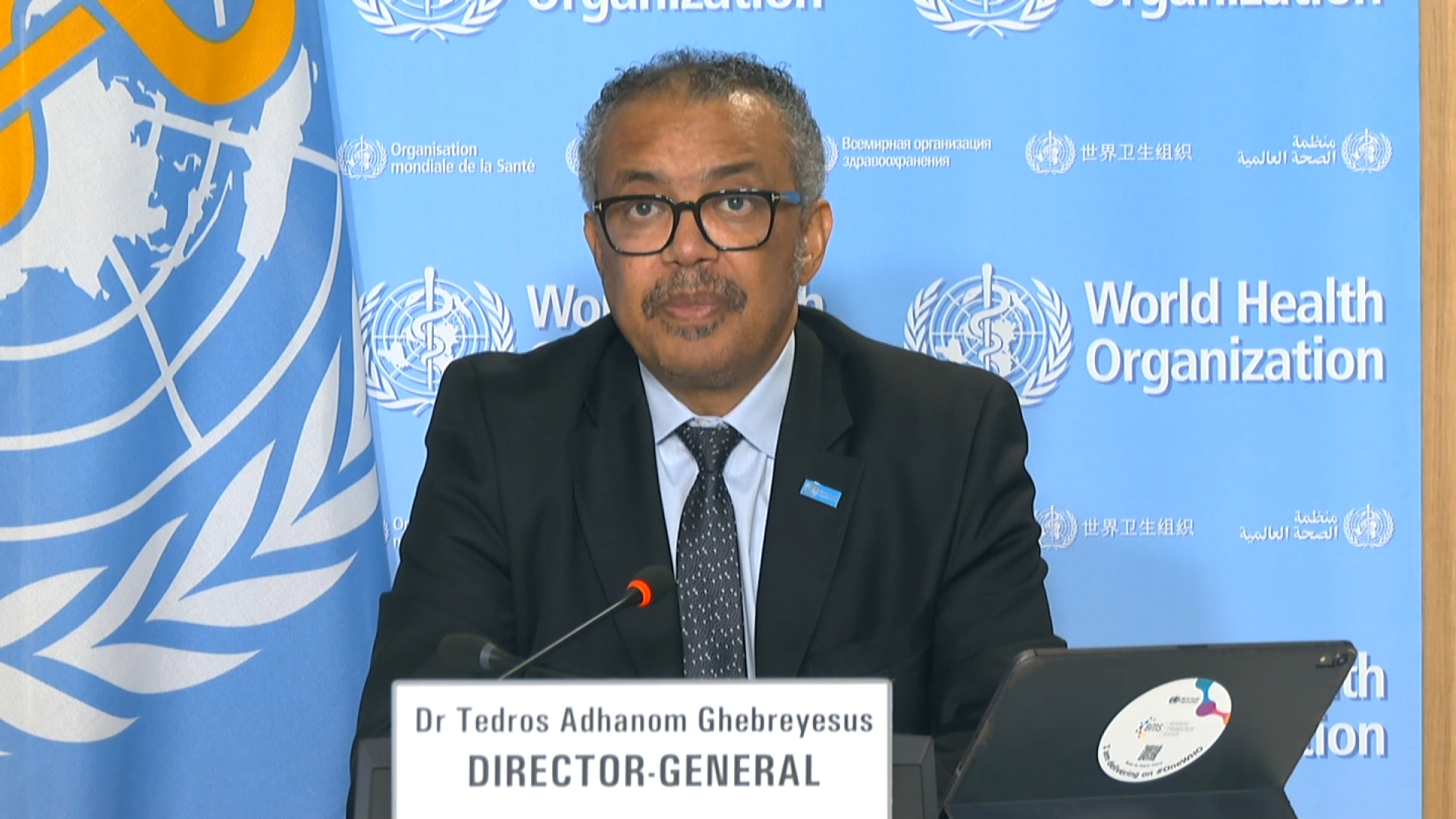
3. SOUNDBITE (English) Dr. Tedros Adhanom Ghebreyesus, Director-General, World Health Organization (WHO):
“The situation in the Republic of Sudan is deeply concerning. Sudan’s Ministry of Health Emergency Operations Center reports 270 people have been killed and more than 2,600 people have been injured. Tragically, three workers from WFP have also been killed. I condemn all loss of life and we stand in solidarity with our brothers and sisters in Sudan.”
4. Wide shot, press briefing room
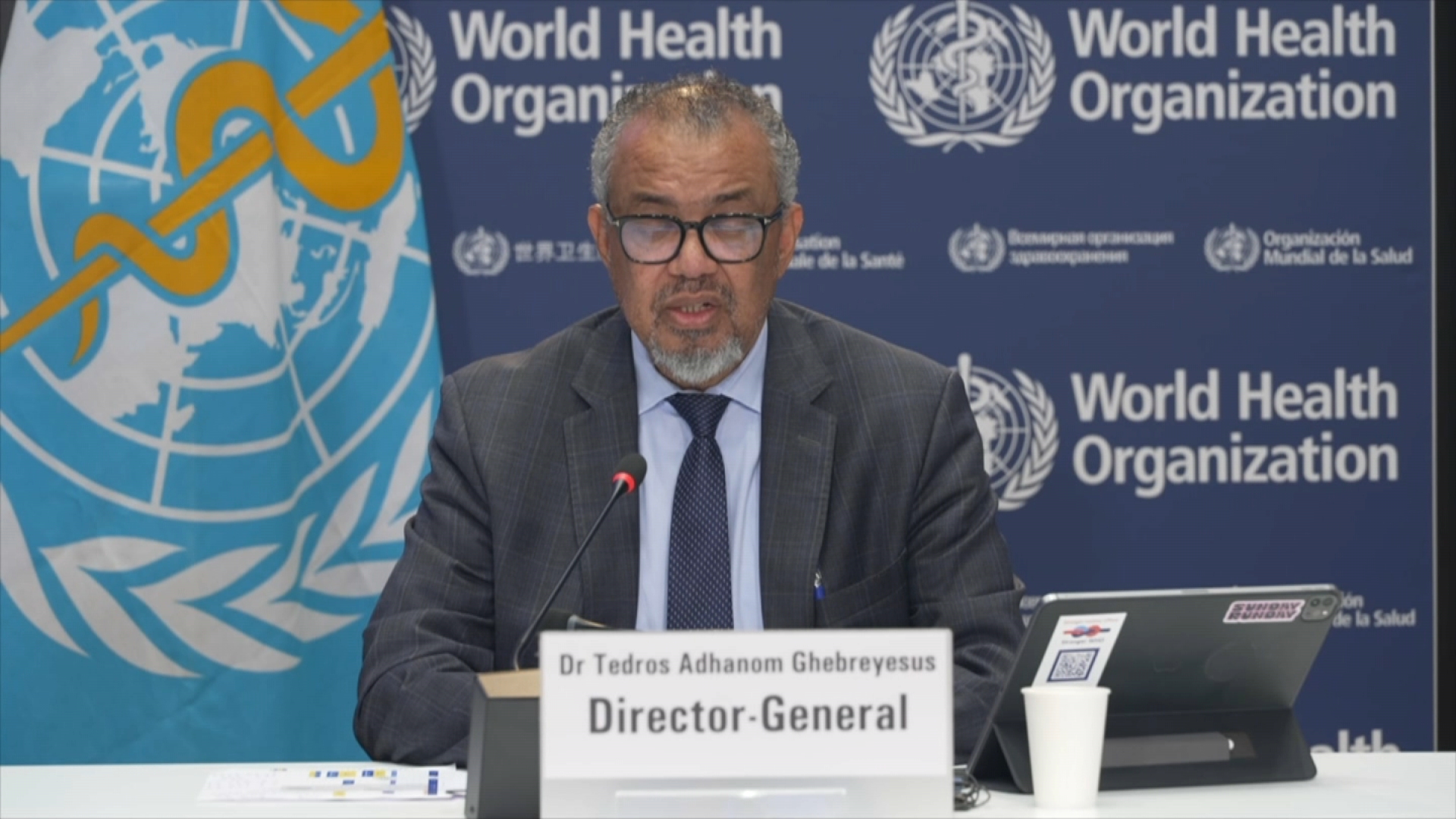
5. SOUNDBITE (English) Dr. Tedros Adhanom Ghebreyesus, Director-General, World Health Organization (WHO):
“The supplies that WHO distributed to health facilities prior to this recent escalation of conflict are now exhausted. Hospitals in Khartoum receiving injured civilians are reporting shortages of medical personnel and lifesaving medical supplies. Fuel shortages for hospital generators, as well as water and power cuts are also reportedly affecting the functionality of health facilities.”
6. Wide shot, press briefing room
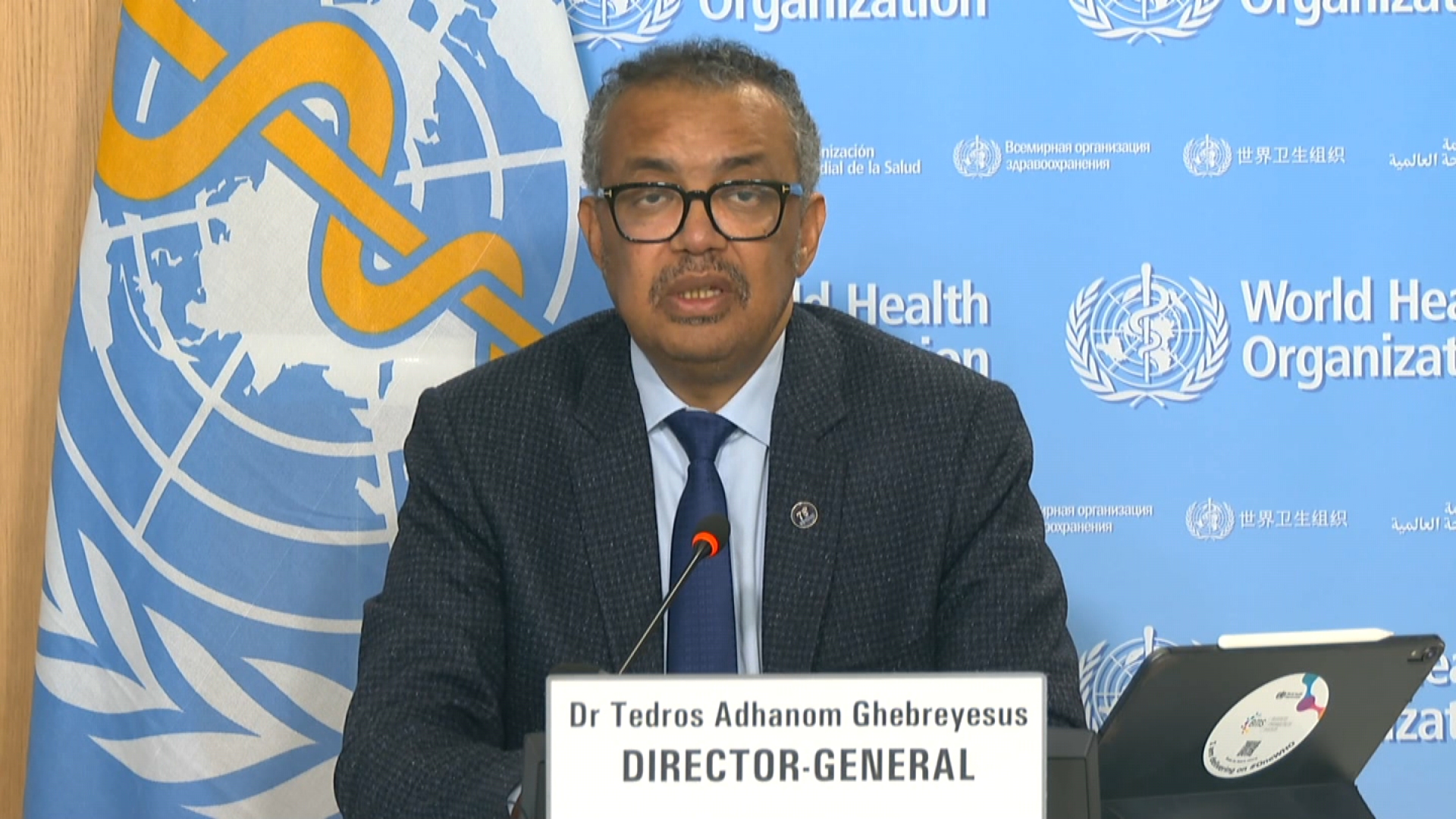
7. SOUNDBITE (English) Dr. Tedros Adhanom Ghebreyesus, Director-General, World Health Organization (WHO):
“I want to be very clear; all parties must ensure unrestricted and safe access to health facilities for those injured and everyone in need of medical care. WHO teams on the ground will continue to work closely with partners and health authorities to try and fill gaps in the provision of health care, especially for trauma. I urge all sides to heed the calls for a humanitarian ceasefire, to silence the guns and to work towards a peaceful resolution.”
8. Wide shot, press briefing room
9. SOUNDBITE (English) Dr. Tedros Adhanom Ghebreyesus, Director-General, World Health Organization (WHO):
“Marburg Virus Disease in Equatorial Guinea where in the last week, two healthcare workers that had contracted the virus were discharged from a WHO supported treatment centre. There has now been a total of 16 laboratory-confirmed Marburg cases. Among these cases, 11 people have died. 23 probable cases of MVD have also been reported since the outbreak was declared on 13 February.”
10. Wide shot, press briefing room
11. SOUNDBITE (English) Dr. Tedros Adhanom Ghebreyesus, Director-General, World Health Organization (WHO):
“Today a new case was reported in a health worker from Bata who was being monitored due to exposure from a previous case. The case was detected on the day of disease onset and was given antiviral therapy via government protocol, which is being supported by WHO. WHO calls on all partners to remain vigilant as there may be undetected chains of transmission in the country.”
12. Wide shot, press briefing room
13. SOUNDBITE (English) Dr. Tedros Adhanom Ghebreyesus, Director-General, World Health Organization (WHO):
“This is a critical moment in the outbreak response in Equatorial Guinea, and it will take an all of government and all of society effort to stop this outbreak.”
14. Wide shot, press briefing room
15. SOUNDBITE (English) Abdi Rahman Mahamud, Director (a.i) Alert & Response Coordination Dept, WHO:
“With WHO, under the leadership of the government, we established several isolation treatment centres, both in Bata and Ebibeyin.”
16. Wide shot, press briefing room
17. SOUNDBITE (English) Abdi Rahman Mahamud, Director (a.i) Alert & Response Coordination Dept, WHO:
“It's the time to strengthen all pillars of response from community engagement to ICP to clinical management to all aspects of the response.”
18. Wide shot, press briefing room
19. SOUNDBITE (English) Dr. Tedros Adhanom Ghebreyesus, Director-General, World Health Organization (WHO):
“I am extremely disappointed that the Taliban has banned Afghan women from working with the United Nations in the country. As the UN Secretary-General said, this is a violation of the fundamental human rights of women. Female staff members and health workers are essential for delivering life-saving health services to those in need. I call on the Taliban to rethink a decision that will massively reduce access to health services and only harm the Afghan people.”
20. Wide shot, press briefing room
21. SOUNDBITE (English) Dr. Tedros Adhanom Ghebreyesus, Director-General, World Health Organization (WHO):
“WHO is concerned that the right of women to access safe abortion services, including through use of medical abortion medicines, are being limited by legislatures and/or courts. To be clear on WHO’s position - women should always have the right to choose when it comes to their bodies and their health. Restricting access to abortion does not reduce the number of procedures and only drives women and girls towards unsafe ones and also death. Ultimately access to safe abortion is health care that saves lives.”
22. Wide shot, press briefing room
23. SOUNDBITE (English) Dr Michael Ryan, Executive Director, WHO Health Emergencies Programme:
“Should those epidemics like flu or RSV, or SARS-CoV-2 occur at the same time of the year, or if severe waves occur at the same time, what you will see is the additive effect, and what we're concerned about here is health systems coming under pressure.”
24. Wide shot, press briefing room
25. SOUNDBITE (English) Dr Michael Ryan, Executive Director, WHO Health Emergencies Programme:
“The virus continues to evolve. It continues to test our immune systems. It continues to try to evade those immune systems so we have to be vigilant. But I do think the trajectory, and Dr Tedros has said this many times, we're on the correct trajectory but we need to continue to protect those who are most vulnerable, we need to stay vigilant, we need to keep testing and particularly need to keep sequencing.”
The Director-General of the World Health Organization (WHO), Tedros Ghebreyesus, said “the situation in the Republic of Sudan is deeply concerning.”
Briefing journalists in Geneva on Tuesday (18 Apr), WHO’s chief said that, according to Sudan’s Ministry of Health Emergency Operations Center, 270 people have been killed and more than 2,600 people have been injured.
Ghebreyesus also informed that “tragically, three workers from WFP have also been killed.”
He added, “I condemn all loss of life and we stand in solidarity with our brothers and sisters in Sudan.”
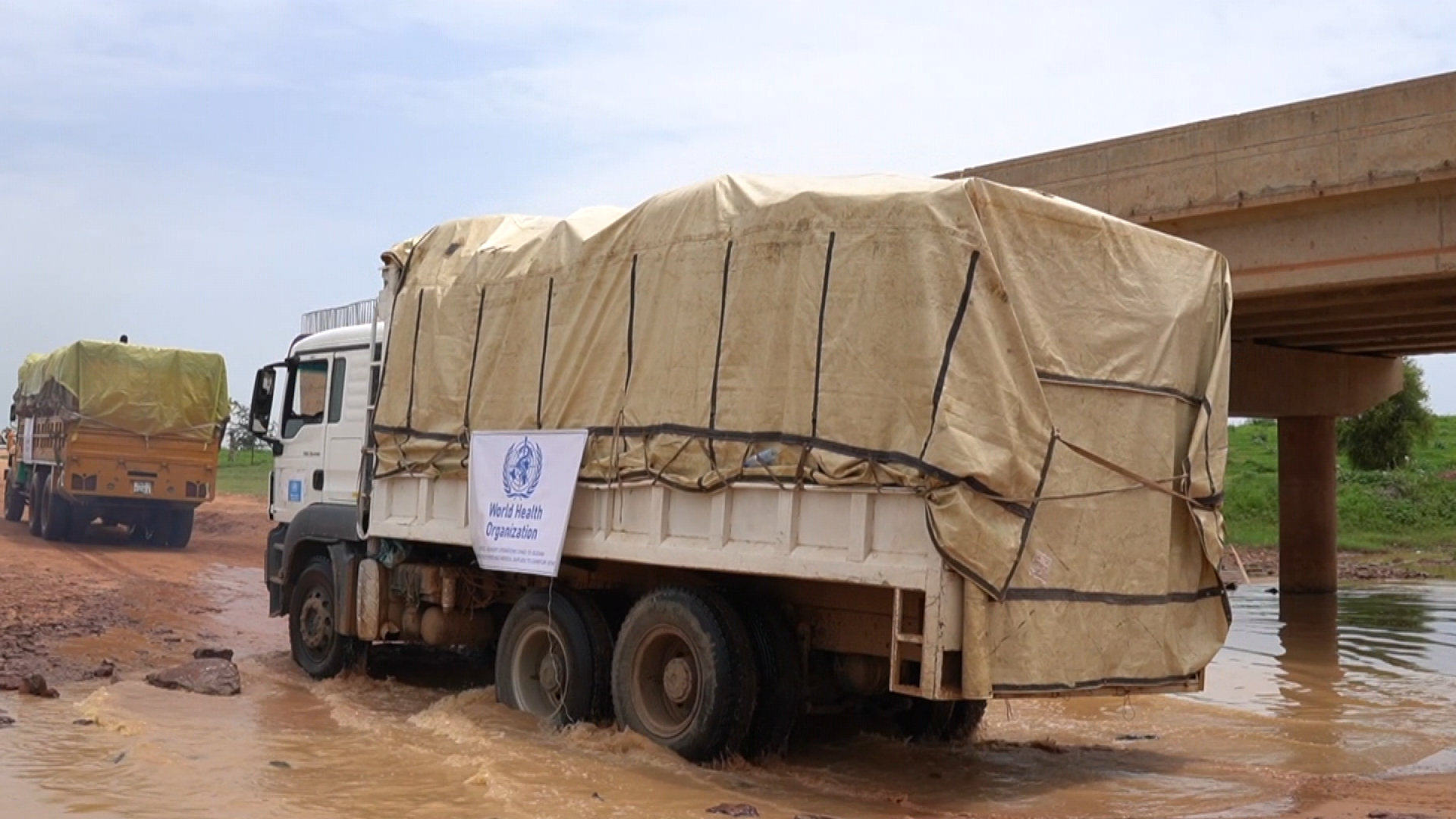
Ghebreyesus said that the supplies that WHO distributed to health facilities prior to this recent escalation of conflict “are now exhausted” and hospitals in Khartoum receiving injured civilians “are reporting shortages of medical personnel and lifesaving medical supplies.”
The Director-General explained that “fuel shortages for hospital generators, as well as water and power cuts are also reportedly affecting the functionality of health facilities.”
Ghebreyesus added, “I want to be very clear; all parties must ensure unrestricted and safe access to health facilities for those injured and everyone in need of medical care. WHO teams on the ground will continue to work closely with partners and health authorities to try and fill gaps in the provision of health care, especially for trauma. I urge all sides to heed the calls for a humanitarian ceasefire, to silence the guns and to work towards a peaceful resolution.”
Ghebreyesus also provided an update on the Marburg Virus Disease in Equatorial Guinea where in the last week, two healthcare workers that had contracted the virus were discharged from a WHO supported treatment centre.
He said that there has now been a total of 16 laboratory-confirmed Marburg cases. Among these cases, 11 people have died. 23 probable cases of MVD have also been reported since the outbreak was declared on 13 February.
Ghebreyesus continued, “Today a new case was reported in a health worker from Bata who was being monitored due to exposure from a previous case. The case was detected on the day of disease onset and was given antiviral therapy via government protocol, which is being supported by WHO. WHO calls on all partners to remain vigilant as there may be undetected chains of transmission in the country.”
For the WHO’s chief, “this is a critical moment in the outbreak response in Equatorial Guinea, and it will take an all of government and all of society effort to stop this outbreak.”
The Director (a.i) of the Alert & Response Coordination Department at WHO, Abdi Rahman Mahamud, informed that the agency, under the leadership of the government, has established several isolation treatment centres, both in Bata and Ebibeyin.
Mahamud said, “It's the time to strengthen all pillars of response from community engagement to ICP to clinical management to all aspects of the response.”
Turning to Afghanistan, WHO’s Director-General said he was “extremely disappointed that the Taliban has banned Afghan women from working with the United Nations in the country.”
As the UN Secretary-General said, Ghebreyesus continued, “this is a violation of the fundamental human rights of women” and “female staff members and health workers are essential for delivering life-saving health services to those in need.”
He also called “on the Taliban to rethink a decision that will massively reduce access to health services and only harm the Afghan people.”
Ghebreyesus told journalists that “WHO is concerned that the right of women to access safe abortion services, including through use of medical abortion medicines, are being limited by legislatures and/or courts.”
The Director-General added, “To be clear on WHO’s position - women should always have the right to choose when it comes to their bodies and their health. Restricting access to abortion does not reduce the number of procedures and only drives women and girls towards unsafe ones and also death. Ultimately access to safe abortion is health care that saves lives.”
Michael Ryan, the Executive Director of WHO’s Health Emergencies Programme, offered an update on the COVID-19 pandemic, saying that “should those epidemics like flu or RSV, or SARS-CoV-2 occur at the same time of the year, or if severe waves occur at the same time, what you will see is the additive effect, and what we're concerned about here is health systems coming under pressure.”
According to Ryan, “the virus continues to evolve” and “it continues to test our immune systems.”
Ryan also said the virus “continues to try to evade those immune systems so we have to be vigilant.”
He concluded, “But I do think the trajectory, and Dr Tedros has said this many times, we're on the correct trajectory but we need to continue to protect those who are most vulnerable, we need to stay vigilant, we need to keep testing and particularly need to keep sequencing.”