Media Home
 UN Web TV
 UN Audiovisual Library
 UN Photo
OHCHR / SYRIAN RETURNEES
Download
There is no media available to download.
Share
STORY: OHCHR / SYRIAN RETURNEES
TRT: 01:36
SOURCE: UNTV CH
RESTRICTIONS: NONE
LANGUAGE: ENGLISH / NATS
DATELINE: 13 FEBRUARY 2024 GENEVA, SWITZERLAND
1. Various shots, exterior, Palais des Nations
2. SOUNDBITE (English) Liz Throssell, Spokesperson, UN Human Rights Office (OHCHR):
“The documented violations and abuses have been perpetrated by the Government, de facto authorities and other armed groups across the country, the report states. They include arbitrary detention, torture, and ill-treatment, sexual and gender-based violence, enforced disappearance and abduction.”
4. Wide shot, briefing room
5. SOUNDBITE (English) Liz Throssell, Spokesperson, UN Human Rights Office (OHCHR):
“The report says that women returnees face specifically discriminatory restrictions on their liberty to move freely and independently. It also documents a number of cases of women being forced by male family members to return to Syria to assess the conditions for safe and sustainable return for the rest of the family.”
6. Wide shot, briefing room
7. SOUNDBITE (English) Liz Throssell, Spokesperson, UN Human Rights Office (OHCHR):
“Economic hardship, abuse, increasingly hostile speech and rhetoric against refugees, raids and mass arrests in some host countries have compelled many to return to Syria, the report says.”
8. Wide shot, briefing room
9. SOUNDBITE (English) Liz Throssell, Spokesperson, UN Human Rights Office (OHCHR):
“There are reasonable grounds to believe that the overall conditions in Syria do not permit safe, dignified and sustainable returns of Syrian refuges to their home country, the report says. It also notes that most of the interviewees said they had decided to flee again, even though, once back abroad, it was likely they would face precarious economic conditions and harassment.”
10. Wide shot, briefing room
According to the UN Human Rights Office (OHCHR), many Syrians who had fled the war face gross human rights violations and abuses upon their return to Syria.
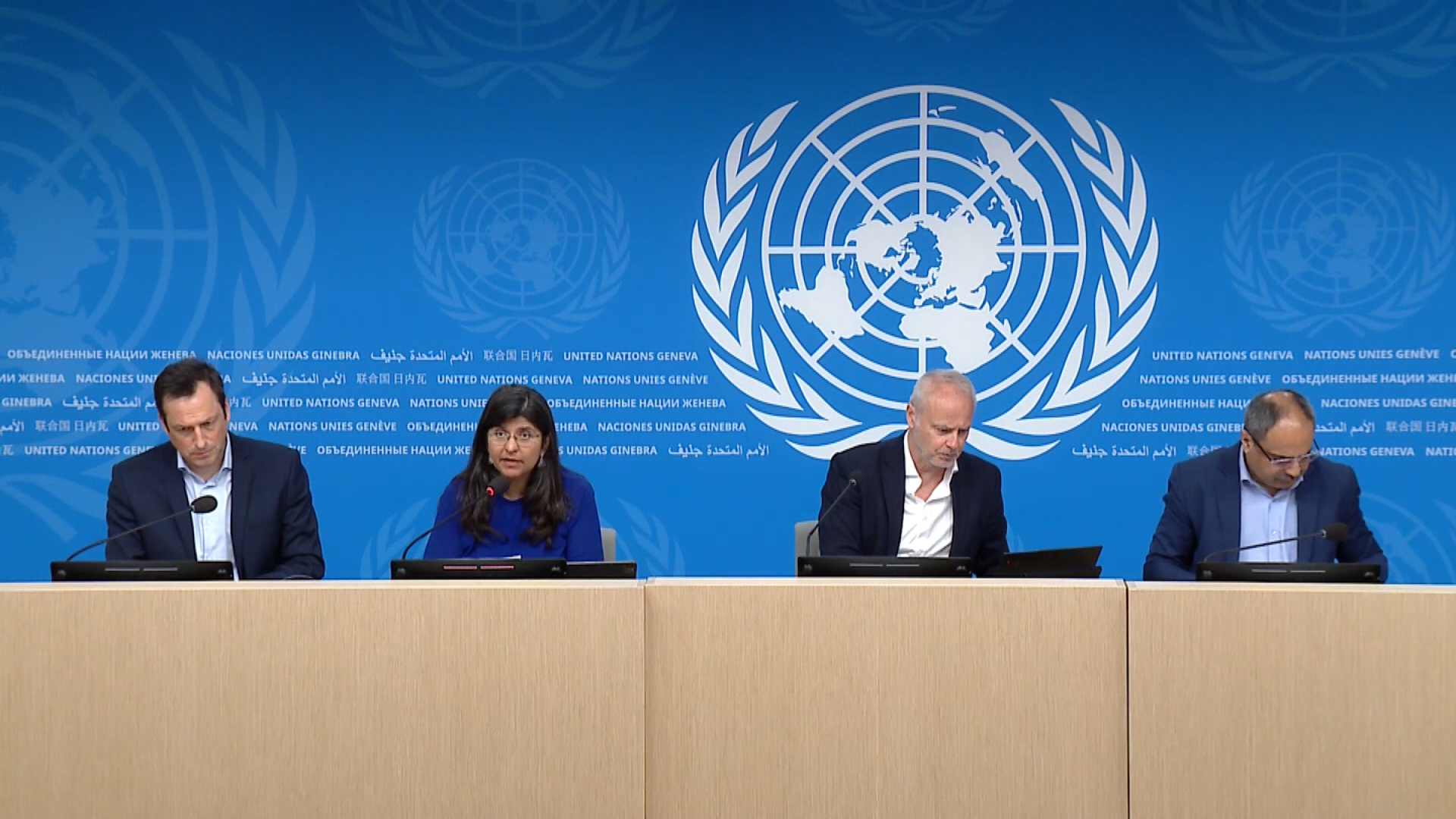
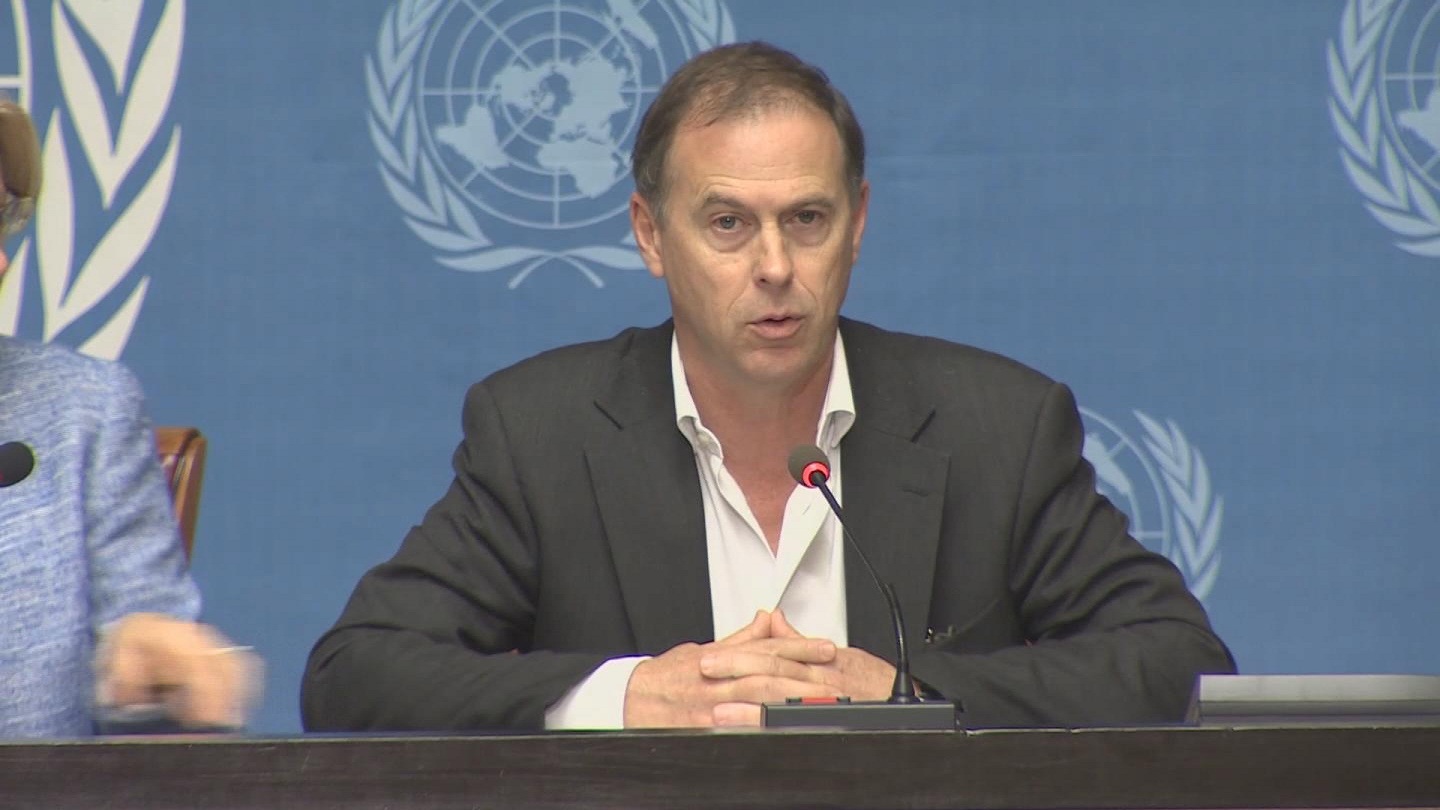
At the bi-weekly press briefing in Geneva, Liz Throssell, OHCHR Spokesperson, presented a report released today by the UN Human Rights Office (13 Feb) on Syrian returnees.
“The documented violations and abuses have been perpetrated by the Government, de facto authorities and other armed groups across the country, the report states. They include arbitrary detention, torture, and ill-treatment, sexual and gender-based violence, enforced disappearance and abduction,” Throssell said.
The report paints an alarming picture of the suffering of returnees, in particular women, amid the increasing number of deportations of Syrians from other countries.
The situation of these returnees raises serious questions about the commitment of States to due process and non-refoulement.
“The report says that women returnees face specifically discriminatory restrictions on their liberty to move freely and independently. It also documents a number of cases of women being forced by male family members to return to Syria to assess the conditions for safe and sustainable return for the rest of the family,” she said.
“Economic hardship, abuse, increasingly hostile speech and rhetoric against refugees, raids and mass arrests in some host countries have compelled many to return to Syria, the report says,” the spokesperson said.
Türkiye announced in May 2022 what it called the “resettlement” of one million Syrian refugees back to Syria, with reports of increased restrictions and forced deportations. In Lebanon, following months of increasing tensions and animosity towards Syrian refugees, Lebanese security forces conducted more than 70 raids targeting Syrian refugee communities in camps and residential areas across the country in the spring of 2023.
At least 1,455 Syrians were arrested and 712 of them deported.
“There are reasonable grounds to believe that the overall conditions in Syria do not permit safe, dignified and sustainable returns of Syrian refuges to their home country, the report says. It also notes that most of the interviewees said they had decided to flee again, even though, once back abroad, it was likely they would face precarious economic conditions and harassment,” Throssell stated.