Media Home
 UN Web TV
 UN Photo
UNFPA / AFGHANISTAN MATERNITY CLINIC
STORY: UNFPA / AFGHANISTAN MATERNITY CLINIC
TRT: 02:48
SOURCE: UNFPA
RESTRICTIONS: CREDIT UNFPA ON SCREEN
LANGUAGE: ENGLISH / NATS
DATELINE: 23 – 24 SEPTEMBER 2024, TORKHAM TRANSIT CENTRE, NANGARHAR PROVINCE, AFGHANISTAN; MAZAR-E SHARĪF WAREHOUSE, BALKH PROVINCE, AFGHANISTAN
23 SEPT 2024, TORKHAM TRANSIT CENTRE, NANGARHAR PROVINCE, AFGHANISTAN
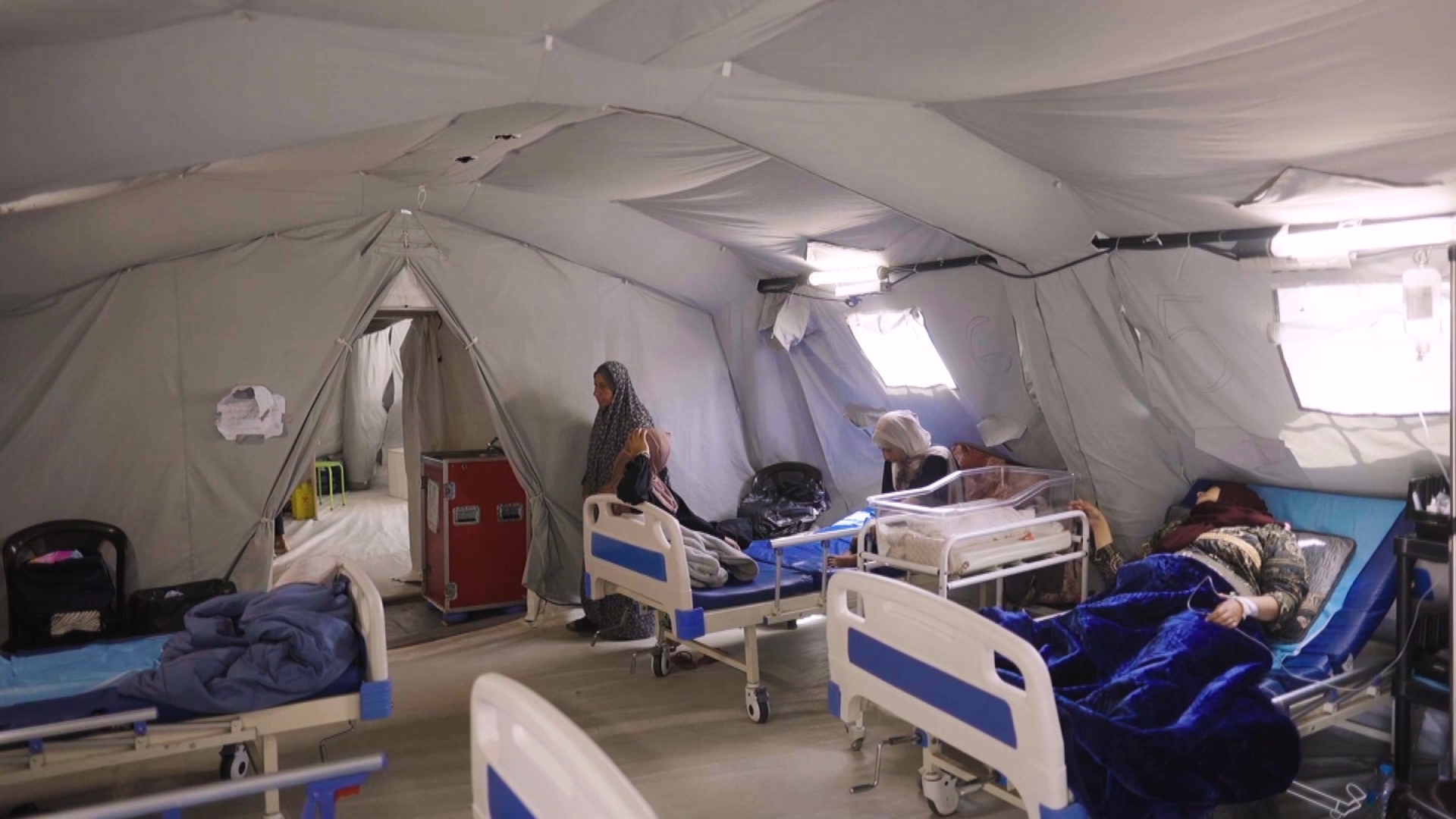
1. Wide shot, UNFPA clinic at the Torkham Zero Point centre
2. Wide shot, a woman receiving a winter blanket from the UNFPA clinic
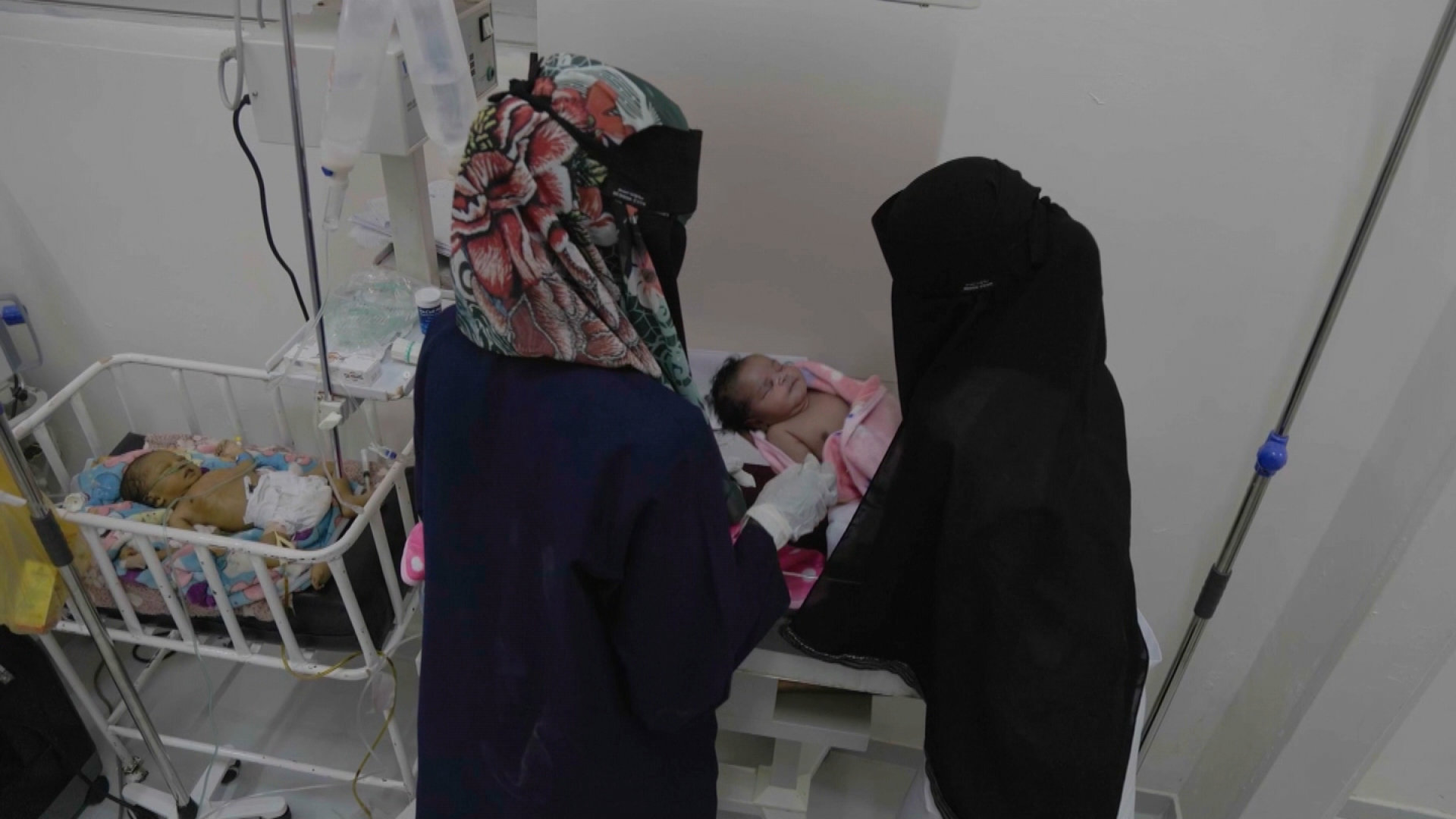
3. Med shot, UNFPA staff at the clinic
4. Med shot, Shoko Arakaki, UNFPA Humanitarian Response Division Director speaks with a doctor at the Basic Health Center
5. SOUNDBITE(English) Shoko Arakaki, Humanitarian Response Division Director, UNFPA: “We are scaling up because of the huge influx of the returnees coming from the Pakistan side. And we are providing sexual reproductive health services, psychosocial support. We all need to find a durable solution for all the suffering women and girls who have been deported and crossing from Pakistan to Afghanistan.”
6. Med shot, Arakaki and staff inside the clinic
7. Med shot, Arakaki inside the clinic
8. SOUNDBITE (English) Shoko Arakaki, Humanitarian Response Division Director, UNFPA:
“I am standing in front of UNFPA's mobile clinic, with which we are saving a lot of lives of women and girls.”
9. SOUNDBITE (English) Shoko Arakaki, Humanitarian Response Division Director, UNFPA: “One story I heard from the doctor who has been working with us for three years. She has seen more than 100 cases of the delivery in the last few months. She didn't even have one maternal death. So, this is the impact and the result we are making in UNFPA here.”
24 SEPT 2024, MAZAR-E SHARĪF WAREHOUSE, BALKH PROVINCE, AFGHANISTAN
10. Med shot, humanitarian stock shelf
11. Med shot, staff in warehouse
12. SOUNDBITE(English) Shoko Arakaki, Humanitarian Response Division Director, UNFPA: “I am in Mazar Province and I'm in front of our stockpiling initiative of UNFPA. We procure all of these kits and then commodity and then we stockpile here and based on our program for the emergency response, and then we have local NGOs working with us. They make sure this stock is going to be delivered to the last mile. And then we are much faster, much more effective, and we are already saving the lives of the people of Afghanistan, particularly women and girls.”
13. Med shot, staff in warehouse
14. Med shot, staff in warehouse
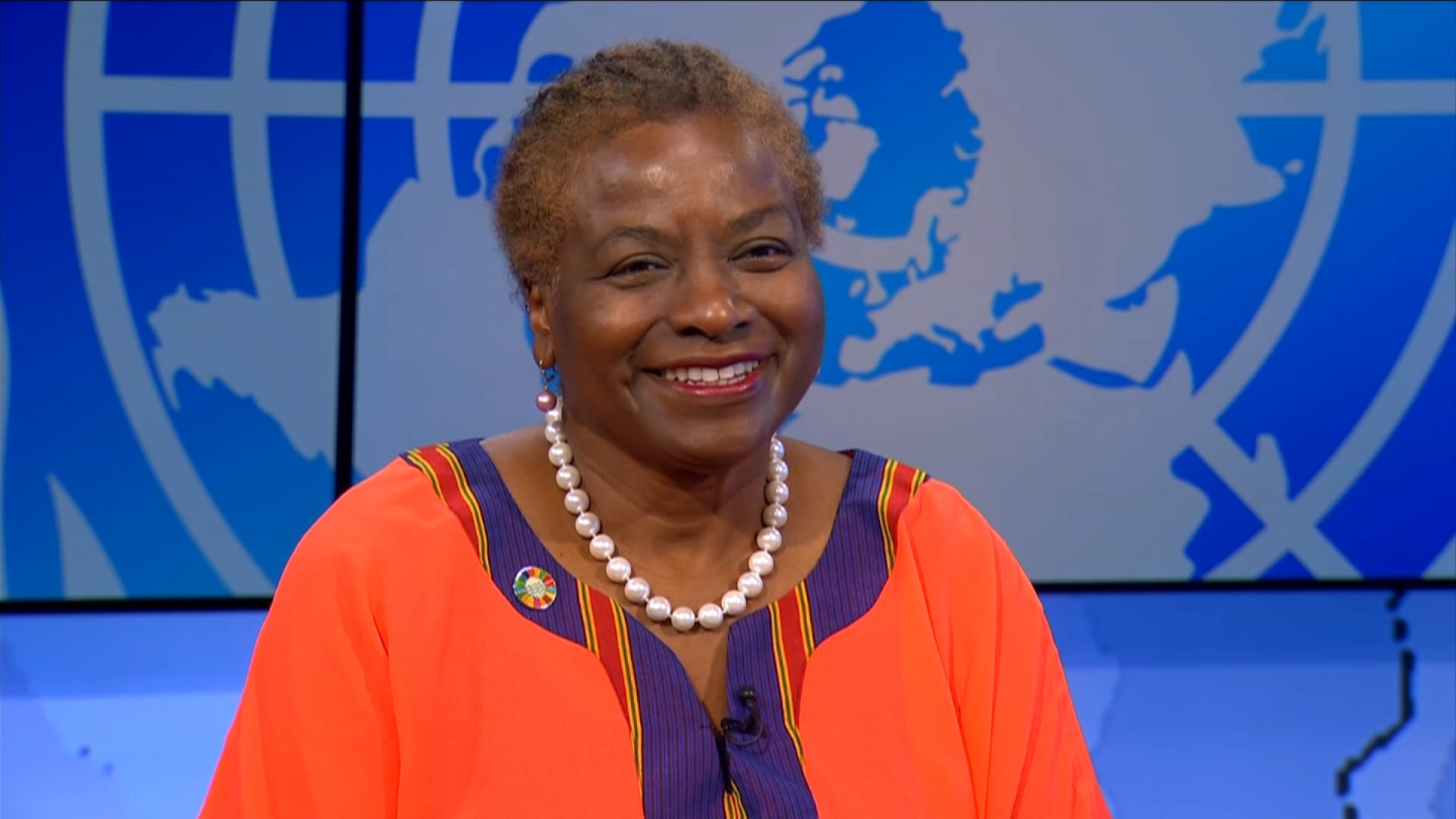
UNFPA’s Emergency Director, Shoko Arakaki, visited Afghanistan 22-27 September 2024, to see the impact of UNFPA’s reproductive health services and their scale-up amid mounting humanitarian needs. Afghanistan is undergoing a deepening humanitarian crisis due to the long-term impacts of protracted conflict, rapid economic decline, climate shocks, overstretched health facilities, and difficulties faced by women across the country.
This year, more than half of the Afghan population - 23.7 million people - require humanitarian assistance for their protection and survival. The crisis is felt most deeply by women and girls, who have experienced severe restrictions on their freedoms, reversing years of progress. Millions of women in Afghanistan have little to no access to health care and the country is one of the most dangerous places in the world to give birth: a woman dies every two hours during pregnancy, childbirth or its aftermath.
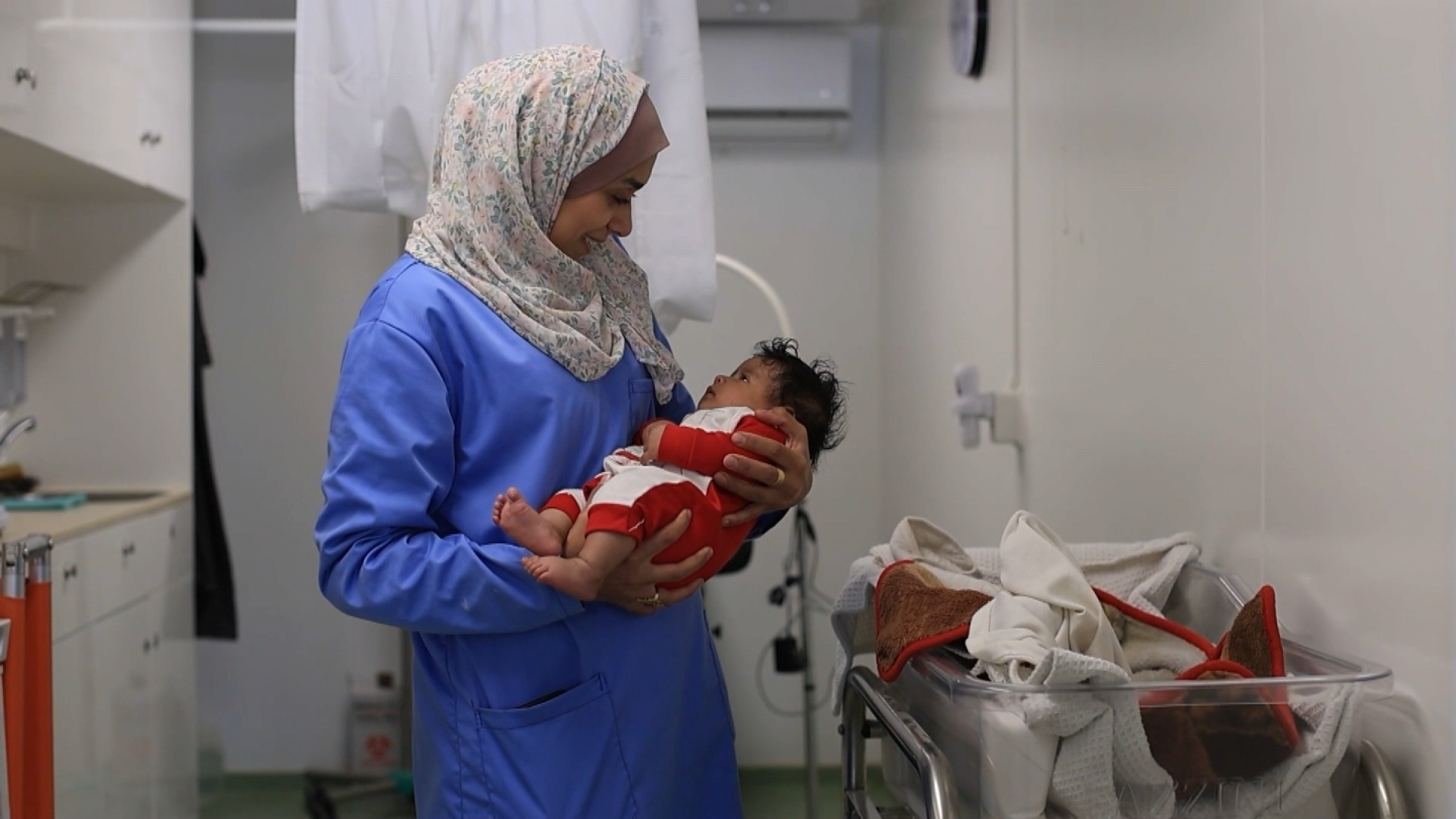
Ms. Arakaki visited UNFPA-supported maternity clinics at Torkham Zero Point, a returnee reception centre and Mother and Child Health Centre in the Omeri camp, in Nangarhar Province; and a UNFPA supplies warehouse and Mother and Child Health Centre in Mazar-e-Sharif.
UNFPA has been operating maternal health services since 2016 at the Basic Health Clinic at Torkham Zero Point. The centre is receiving people who have been forcibly returned from Pakistan and Iran. A woman at the reception centre told Ms. Arakaki: “I am a human, I am a woman, I have struggled a lot being displaced and enduring the trauma of loss, loneliness and hopelessness. But I found hope in the clinics supported by UNFPA where I was treated well and was made to feel comfortable.”
This was the UNFPA Emergency Director’s third visit in three years to Afghanistan. One thing stood out in particular, she said. “First: despite all the obstacles facing women in Afghanistan, they have not given up hope. I was astonished by the resilience of the Afghan women I met - patients in clinics and midwives working in them - who continue to believe in a better tomorrow.”
UNFPA focuses on providing life-saving reproductive health services and psychosocial support to women, by women, through more than 900 facilities in all 34 provinces of Afghanistan. In 2024, UNFPA reached 8.6 million people with reproductive health services through 937 supported facilities in the country. UNFPA’s priority in 2025 is to scale up maternal and reproductive care to reach 12 million people, including in remote locations many of which have virtually no healthcare facilities at all. To do this successfully, we need additional funding to keep these essential services going. As of October 2024, UNFPA Afghanistan has received 75 per cent of the US$216 million it needs.
Download
There is no media available to download.