Media Home
 UN Web TV
 UN Photo
UNFPA / SUDAN CONFLICT PREGNANCY
STORY: UNFPA / SUDAN CONFLICT PREGNANCY
TRT: 07:11
SOURCE: UNFPA
RESTRICTIONS: CREDIT UNFPA ON SCREEN (TOP LEFT OR RIGHT)
LANGUAGES: ARABIC / NATS
DATELINE: PLEASE SEE THE SHOTLIST
02 DECEMBER 2024, LAND PORT, GEDAREF, GEDAREF STATE
1. Wide shot, people taking shelter
2. Wide shot, people taking shelter
3. Wide shot, Sabreen Abdulrahman walks through the sleeping areas
4. Closeup, Sabreen shows her pregnancy
5. Med shot, Sabreen
6. SOUNDBITE (Arabic) Sabreen Abdulrahman, Displaced Woman:
“I am nine months pregnant, and I’m afraid of the surgery. Other than that, I fear nothing. After I give birth, I worry about the cold weather and not having a proper place to put my baby. We don’t have a home—we sleep on the floor. I already have three children, and this is my fourth. A mobile clinic visited us, examined me, and performed an ultrasound. They treated me kindly. I needed pills for jaundice, which they didn’t have at the time, but they went to the city and brought them back for me.”
7. Med shot, Sabreen and one of her children
8. Med shot, Sabreen folds clothes
9. Closeup, cooking in a pod
10. Closeup, Sabreen
11. Med shot, Sabreen cooks
12. Closeup, one of Sabreen’s daughters
13. Closup, one of Sabreen’s daughters
14. Med shot, Najwa Mohamed washes a cup
15. Med shot, Najwa folds clothes
16. Med shot, Najwa folds clothes
17. Med shot, Najwa and two girls
18. SOUNDBITE (Arabic) Najwa Mohamed, Displaced Woman:
“I am displaced from Jabal Moya, and I am eight months pregnant. It was incredibly difficult as we were often thirsty and starving. I urgently need clothes for my new baby and myself. I feel very hungry at night because we don’t have enough food. I also suffer from anemia. There are many things I need, but I cannot afford them. As I approach childbirth, I worry about whether it will be a normal delivery or require a C-section. The thought of needing a C-section terrifies me because I cannot afford the costs.”
19. Med shot, a woman holds a girl
20. Med shot, a woman and three children
05 DECEMBER 2024, TAWILA CAMP, TAWIL LOCALITY, NORTH DARFUR STATE
21. Wide shot, people walking
22. Wide shot, open field
23. Wide shot, Zubaida AbouBaker cook with pots on the ground
24. Wide shot, Zubaida cooks
25. Med shot, Zubaida cooks
26. Wide shot, Zubaida and her kids eat
27. Med shot, Zubaida and her kids eat
28. SOUNDBITE (Arabic) Zubaida AbouBaker, Displaced Woman:
“I lost my first brother in the 2003 war and another one in this war in August 2024. That’s when we decided to leave. If you go out to work, you face the risk of being shot, while your children are left behind to fend for themselves. We are perishing from hunger, exhaustion, suffering, and death. Once, I went to farm, but there was shooting and shelling both behind us and in front of us. That was the last time I tried to farm. I couldn’t harvest my crops, and I didn’t get to eat anything from them. When I returned from that trip, I found that my sister had died. Nobody is giving us food here—not even a little. We want peace and security. That’s all we need.”
01 DECEMBER 2024, KOSTI MATERNITY HOSPITAL, KOSTI CITY, WHITE NILE STATE
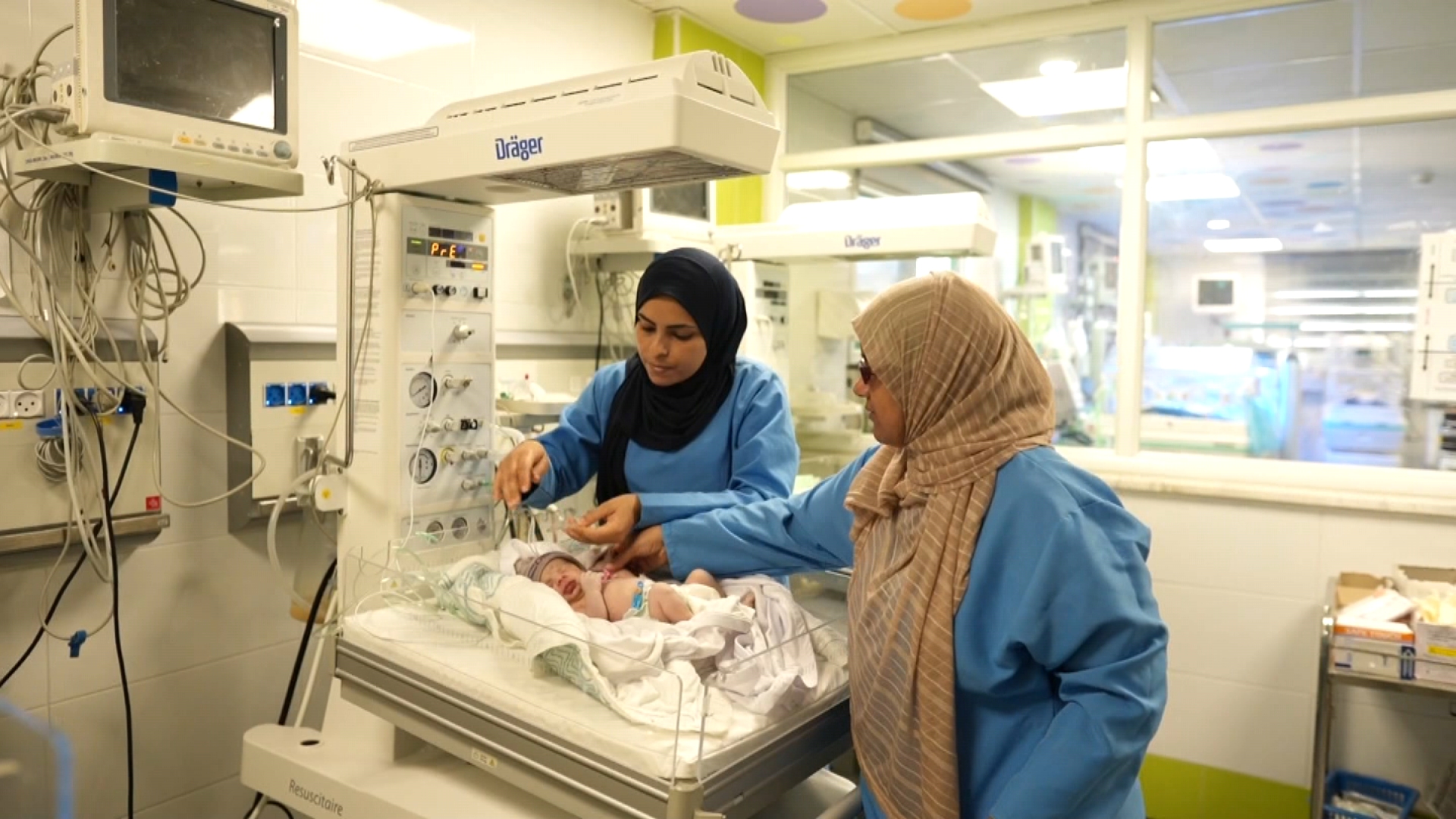
29. Wide shot, exterior
30. Wide shot, girl washes clothes
31. Wide shot, a group of people
32. Closeup, entrance to health facility
33. Closeup, entrance to operation room and NICU
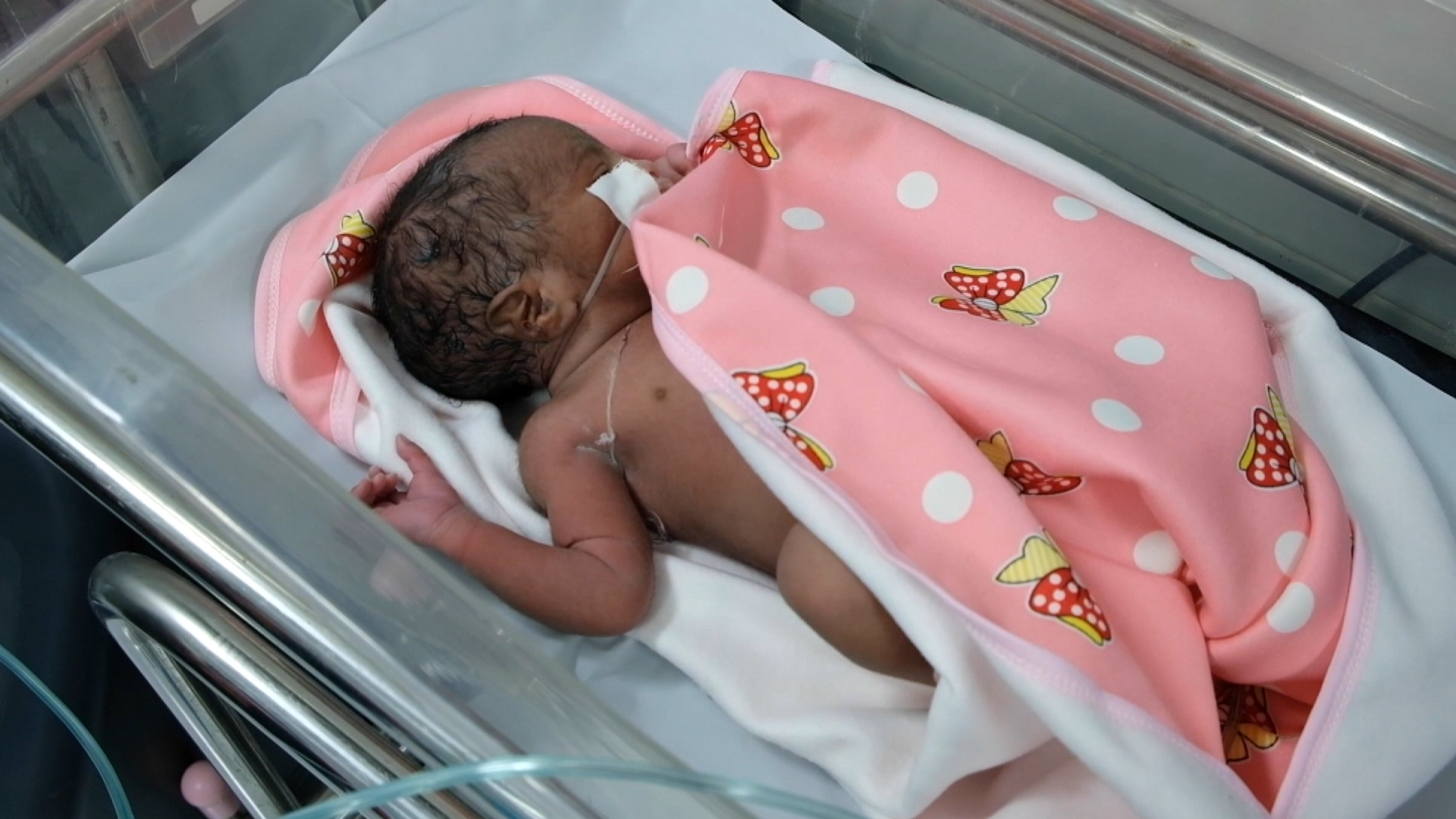
34. Med shot, Lana Hassan Badreldin and her newborn child
35. Closeup, Lana’s newborn child
36. SOUNDBITE (Arabic) Lana Hassan Badreldin, 25, Displaced Woman:
“At the time, I was nine months pregnant, and the armed men destroyed the health centers, making it impossible for me to deliver my baby safely there. ”
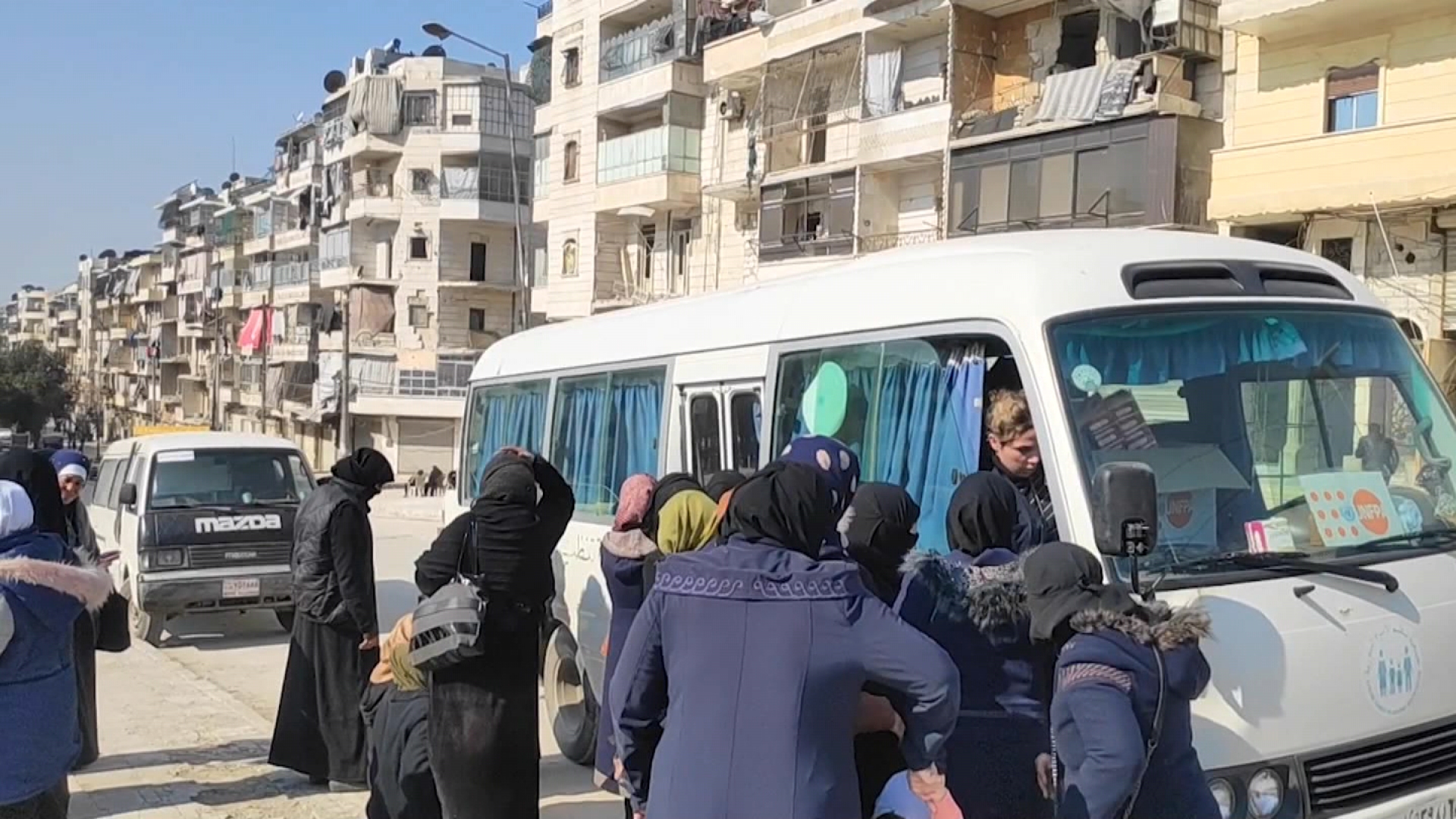
37. Wide shot, a group of health workers and women at a UNFPA mobile clinic
38. Closeup, health worker takes blood sample
39. Med shot, health worker runs test
40. Med shot, health worker with a woman
41. Closeup, a woman
03 DECEMBER 2024, MOBILE HEALTH TEAM IN JOURI AND AR ROUDAYES, WHITE NILE STATE
42. Wide shot, staff loads supplies to a boat
43. Wide shot, UNFPA partner staff and supplies being transferred on a boat
44. Wide shot, partner staff gets in a three-wheeler
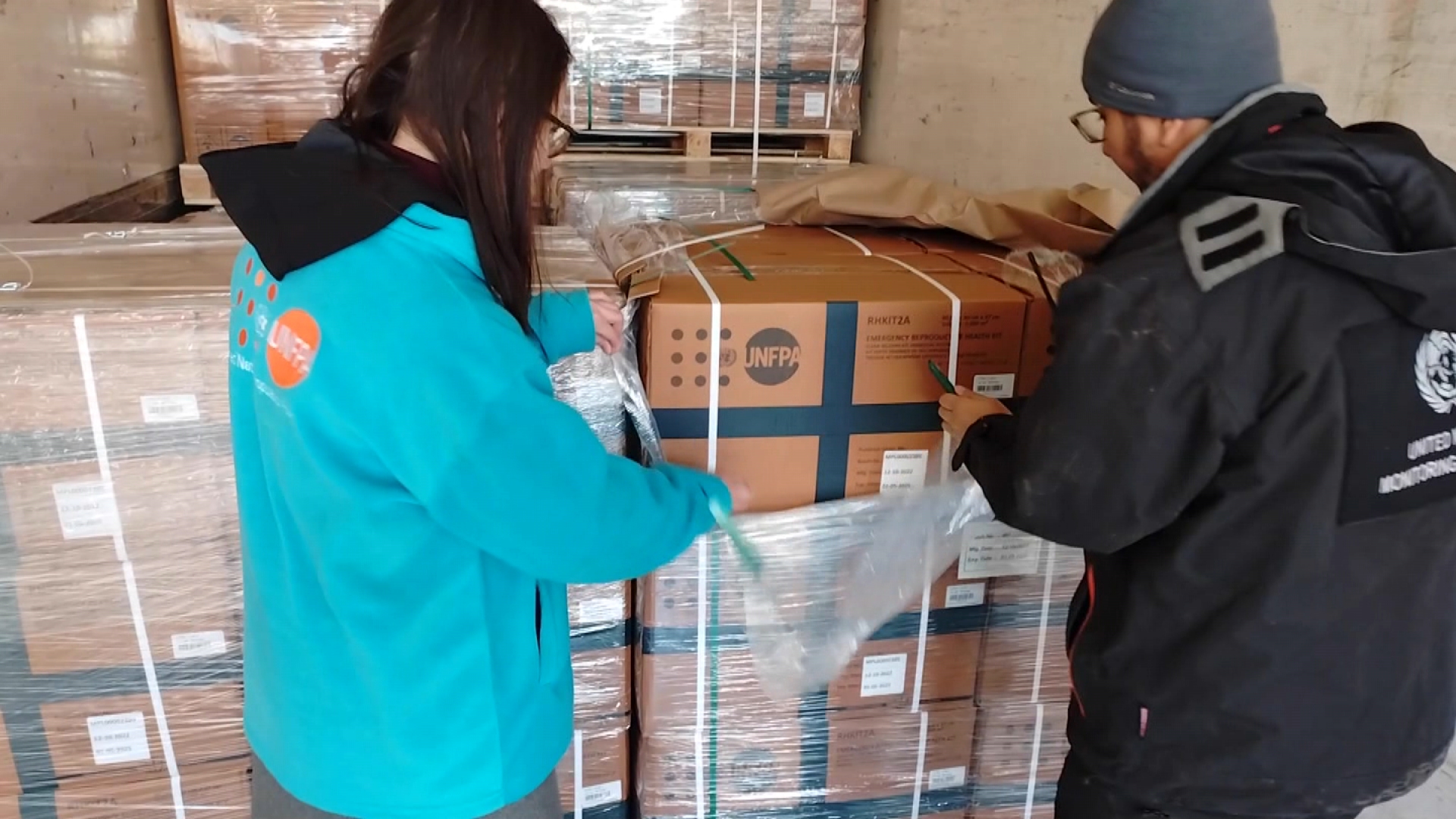
45. Closeup, midwifery box and other supplies being unloaded
46. Med shot, health workers inspect supplies
47. Med shot, a health worker
48. Med shot, a health worker with a woman
49. Med shot, a mother and her child
50. Closeup, a child
51. Closeup, a child
Nearly 20 months of war has pushed Sudan to the edge, as some areas in greatest need remain cut off entirely, with no access to humanitarian aid. Over 12 million people are displaced – more than eight million within Sudan and more than three million to neighbouring countries.
Sudan was already enduring years of humanitarian crisis, but the war has unleashed an intensified humanitarian catastrophe of immense scale, particularly for women and children. Millions are displaced, facing hunger, disease, and violence. The situation is dire, with reports of widespread sexual violence, attacks on healthcare facilities, and famine in Zamzam displacement camp in North Darfur.
An estimated 2.7 million women of reproductive age are displaced – that includes more than 272,000 pregnant women of whom around 91,000 women will give birth in the next three months.
Every day, on average, 20,000 people are newly displaced and among them are pregnant women fleeing for their lives and unable to access antenatal, safe delivery or postnatal services because up to 80 percent of health facilities are either closed or barely functioning in crisis-affected areas. As a result, women are dying from pregnancy and childbirth-related complications.
Rape and abduction have been central to this conflict and women and girls continue to be subjected to rape, abuduction and forced marriage. The number of people at risk of gender-based violence has nearly doubled since the beginning of the conflict – from 6.9 to 12.2 million, with a 400 percent increase in people seeking specialised GBV services in the last six months.
Hunger is everywhere. About 26 million people – more than half the country’s population, equivalent to the entire population of Australia – struggle to secure daily meals. Nearly 1.5 million people across the country either face famine or are at risk of famine, including an estimated 35,800 pregnant women.
UNFPA is working tirelessly to provide life-saving assistance, including reproductive health care, to women and girls in Sudan but urgently needs funding to do so. In 2025 UNFPA urgently needs 119.6 million dollars to address the critical needs of women and girls. Last year, our appeal of 82 million dollars was only 20 percent funded.
Download
There is no media available to download.