Media Home
 UN Web TV
 UN Photo
UNFPA / GAZA AL-AWDA HOSPITAL VISIT
STORY: UNFPA / GAZA AL-AWDA HOSPITAL VISIT
TRT: 05:14
SOURCE: UNFPA
RESTRICTIONS: CREDIT UNFPA ON SCREEN
LANGUAGES: ENGLISH / NATS
DATELINE: 19 FEBRUARY 2025, AL-AWDA HOSPITAL PRIMARY HEALTH CARE CENTRE, JABALIA, GAZA
1. Wide shot, medical tent in front of burned building
2. Wide shot, medical tent in front of burned building
3. Various shots, medical workers clean the wound on a boy’s head
4. Wide shot, doctor with patient
5. Med shot, patient
6. Wide shot, health workers with patient
7. Med shot, medical supply cabinet
8. Med shot, treatment bed in tent
9. Med shot, exterior of tent
10. Wide shot, women line up in the pharmacy window
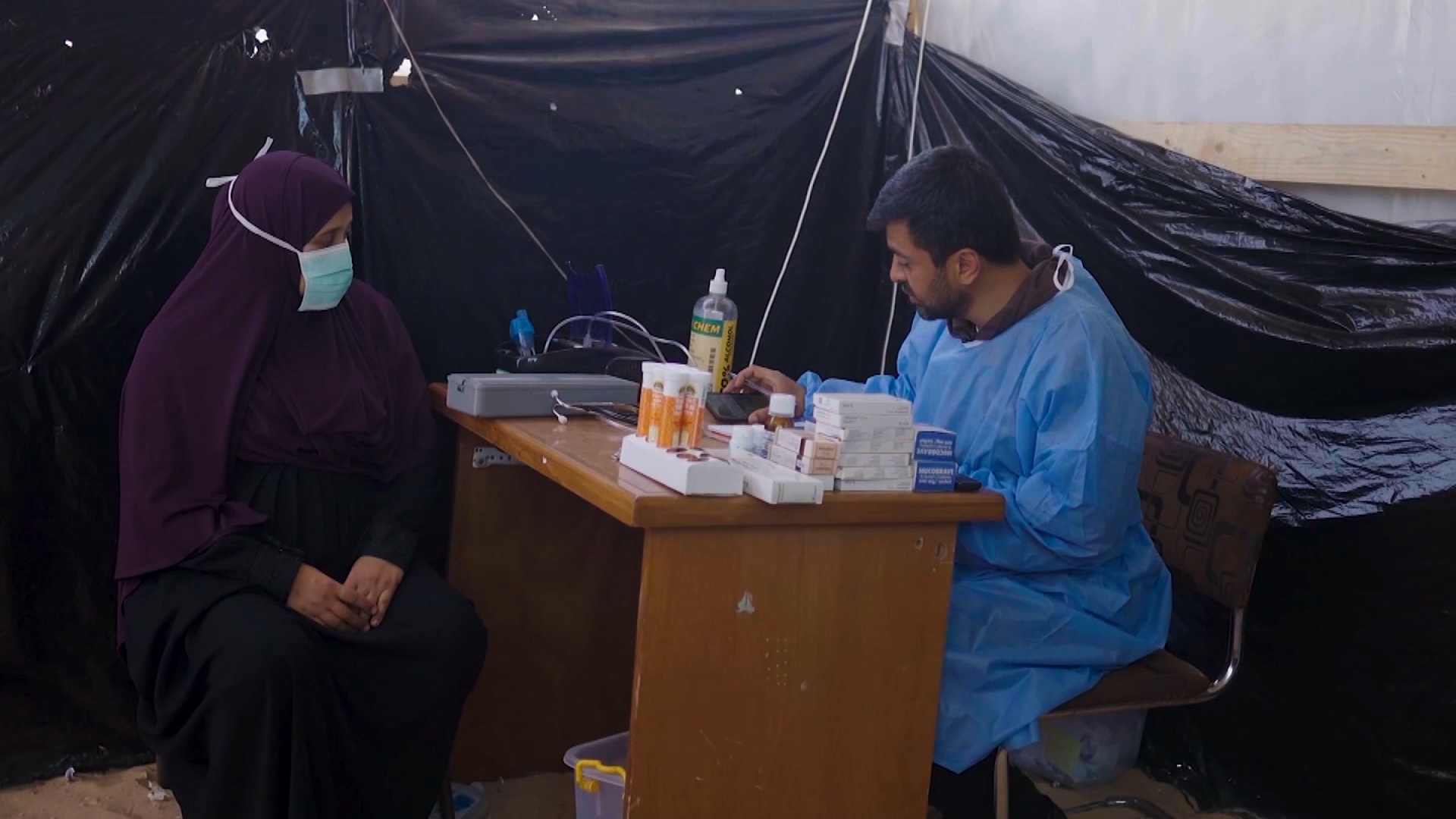
11. Med shot, woman talks with health worker
12. Wide shot, woman gets medicine from the pharmacy tent
13. Med shot, woman gets medicine from the pharmacy tent
14. Various shots, makeshift healthcare centre
15. SOUNDBITE (English) Laila Baker, UNFPA Regional Director for the Arab States:
“This is a makeshift centre that was set up last week by our partners here in Jabalia camp. It's an attempt to re-establish health facilities under the desperate circumstances that the women and girls of Gaza, and in particular in Jabalia camp, have witnessed over the last 16 months. To say that I can understand the pain that comes with the level of destruction that I've witnessed over the course of the last 24 hours, is an underestimate. I've heard stories from women about their migration, their forced displacement, the destruction of their homes, the loss of their loved ones, their inability to access even basic healthcare. And yet they stay. They are committed to rebuilding Gaza, and they count on the services that UNFPA and its partners deliver.”
16. Various shots, Baker meets with women and children visiting the makeshift centre
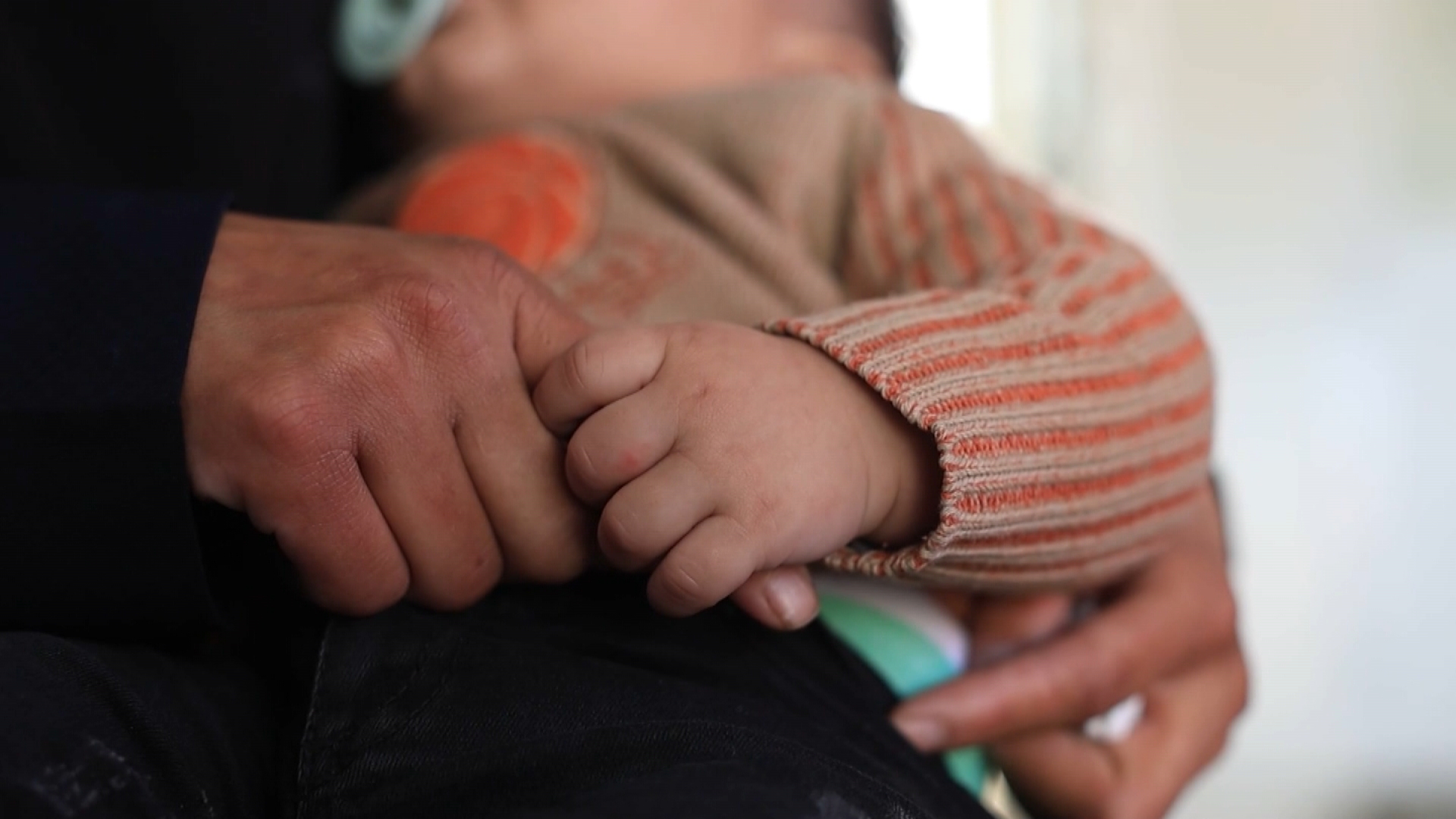
17. Closeup, woman holds a baby
18. SOUNDBITE (English) Laila Baker, UNFPA Regional Director for the Arab States: “After the ceasefire, there's a little bit of hope that out of the dust and the rubble, once it is cleared, we can begin to rebuild – not only the buildings and the facilities that are so necessary for safe delivery, for provision of maternal health care, for providing the mental health services for young people and women and girls everywhere across the Gaza Strip after this extraordinary catastrophe – but also to provide the hope that will allow for Gaza to re-establish itself. We are committed at UNFPA to doing just that.”
19. Various shots, Baker meets with adolescent girls visiting the centre
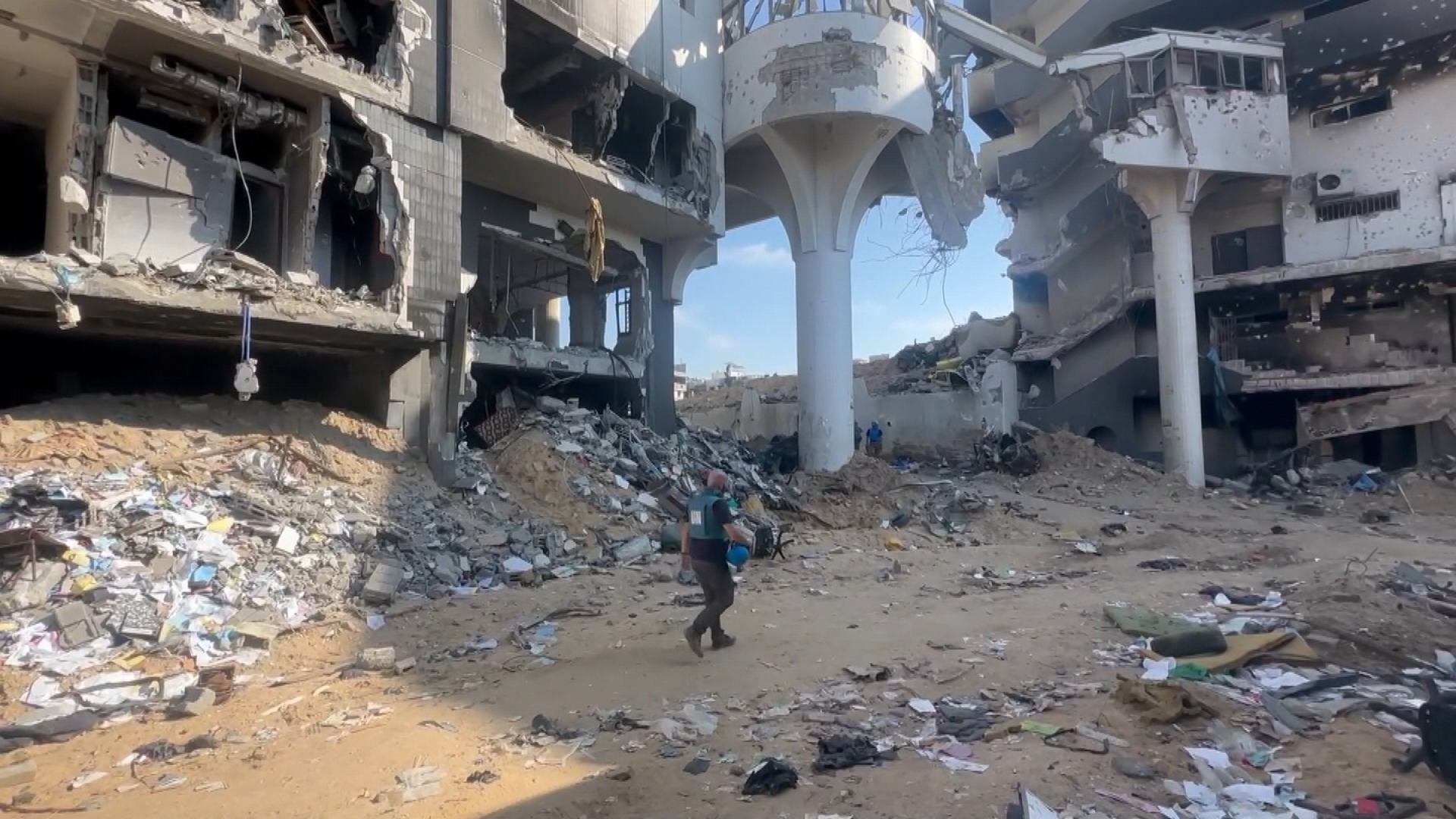
20. Various shots, scenes of destruction on the street
A month since a fragile ceasefire came into place, Palestinians in Gaza are picking up the pieces of their lives. For many, initial elation has turned into shock and panic as families return to what was once their homes. The Gaza Strip has been reduced to rubble and shells of buildings. There are no streets, no shops, no parks, no markets. Critical water, electricity and health infrastructure is in ruins.
Strong winds, rain and cold winter temperatures are adding to the misery and suffering of Palestinians. Nearly everyone was displaced during the war and today one million people are still living in worn out tents or makeshift shelters. Families are resorting to sewing old rice sacks together for basic cover and burning plastic and scraps of wood to keep themselves warm.
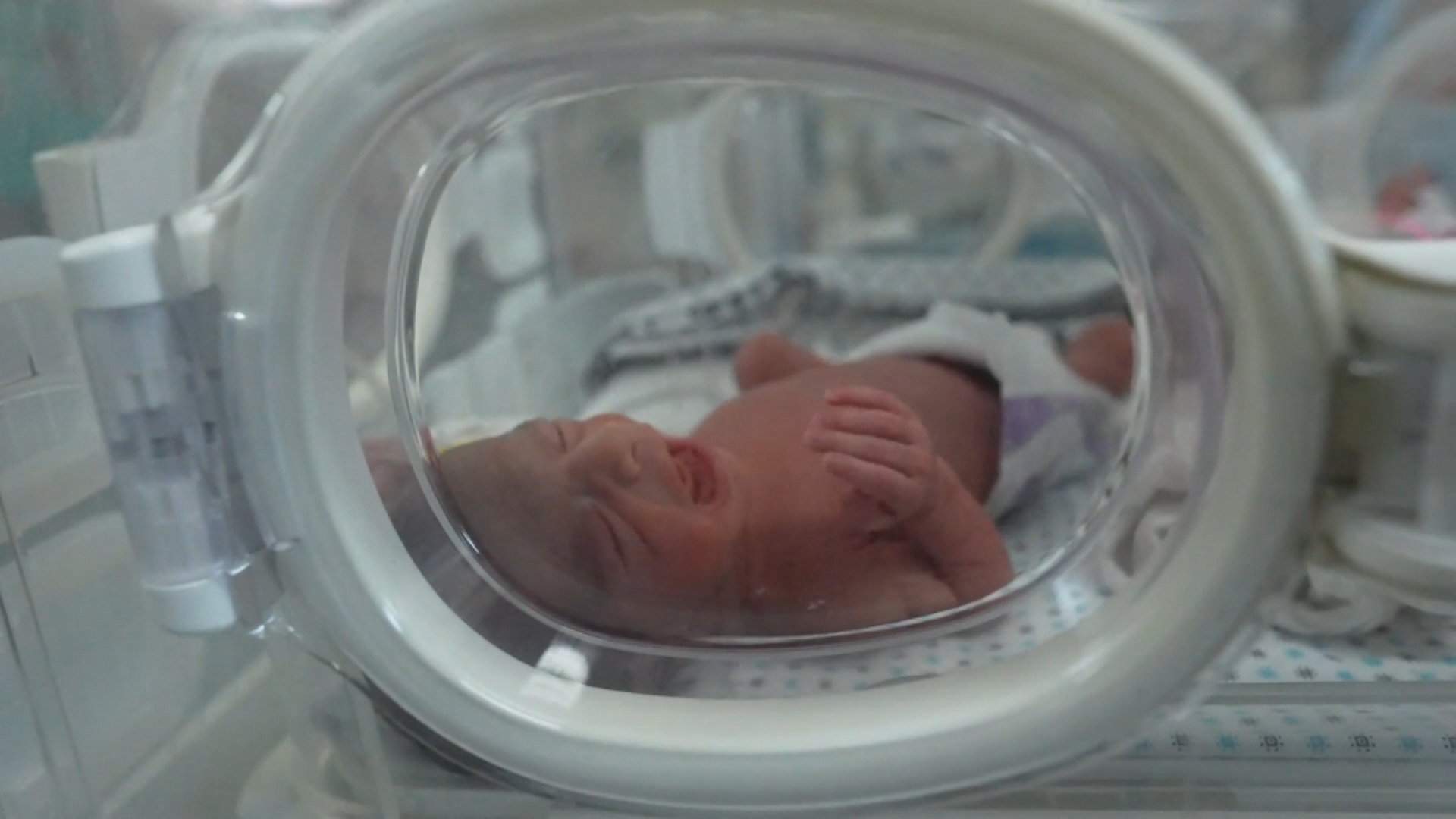
The war in Gaza triggered horrendous suffering, including for an estimated 155,000 pregnant women and new mothers. The risks of miscarriage, preterm births, stillbirths, postpartum haemorrhage and underweight newborns all increased. Pregnancy and childbirth, which should be a time of excitement and joy, have become filled with fear over whether they and their babies would survive.
The prolonged war has left a broken health system. Ms. Laila Baker, Regional Director for the Arab States, UNFPA, the United Nations reproductive health agency, spoke with women at a makeshift health centre in Al-Awda, Jabalia, North Gaza. The centre, housed in a tent, was set up after the ceasefire, with UNFPA’s support, to respond to an increase in demand for maternity care. Women described the pain of giving birth without medical care or shelter to protect their newborns, or food to ease their hunger. It was clear that the psychological impacts of giving birth under such harsh conditions will take a long time to heal.
UNFPA continues to support Al-Awda hospital in Jabalia – as it did during the war – with life-saving supplies for safe births, emergency obstetric and postnatal care. It has extended this support to the makeshift primary health centre – and other hospitals and health facilities across Gaza – as part of efforts to re-establish reproductive and maternal health services. Other supplies that have been provided to hospitals and health facilities in Gaza since the ceasefire include medicines, tents, clothes, blankets, supplies for mothers and newborns and hygiene items.
UNFPA and its partners will continue to scale up life-saving reproductive health and protection services to respond to the immediate needs of women and girls across the Strip. As the long road to rebuilding health infrastructure begins, UNFPA is committed to supporting recovery efforts, for women and girls, to bring hope and life back to Gaza.
Download
There is no media available to download.