Media Home
 UN Web TV
 UN Photo
UNFPA / GAZA MALNOURISHED PREGNANT WOMAN
STORY: UNFPA / GAZA MALNOURISHED PREGNANT WOMAN
TRT: 5:56
SOURCE: UNFPA
RESTRICTIONS: PLEASE CREDIT UNFPA ON SCREEN
LANGUAGE: ARABIC / NATS
DATELINE: 01 APRIL 2025 AND 06 MAY 2025, KHAN YOUNIS, GAZA, OCCUPIED PALESTINIAN TERRITORIES; DEIR AL BALAH, GAZA, OCCUPIED PALESTINIAN TERRITORIES
01 APRIL 2025, KHAN YOUNIS
1. Med Shot, damaged building
2. Wide Shot, damaged building
3. Various shots, chaotic scenes of Gazans holding pots and pans waiting to receive food
4. Various shots, crowd on the street
06 MAY 2025, AL AWDA HEALTH AND COMMUNITY ASSOCIATION, DEIR AL BALAH
5. Wide Shot, gate of the health centre
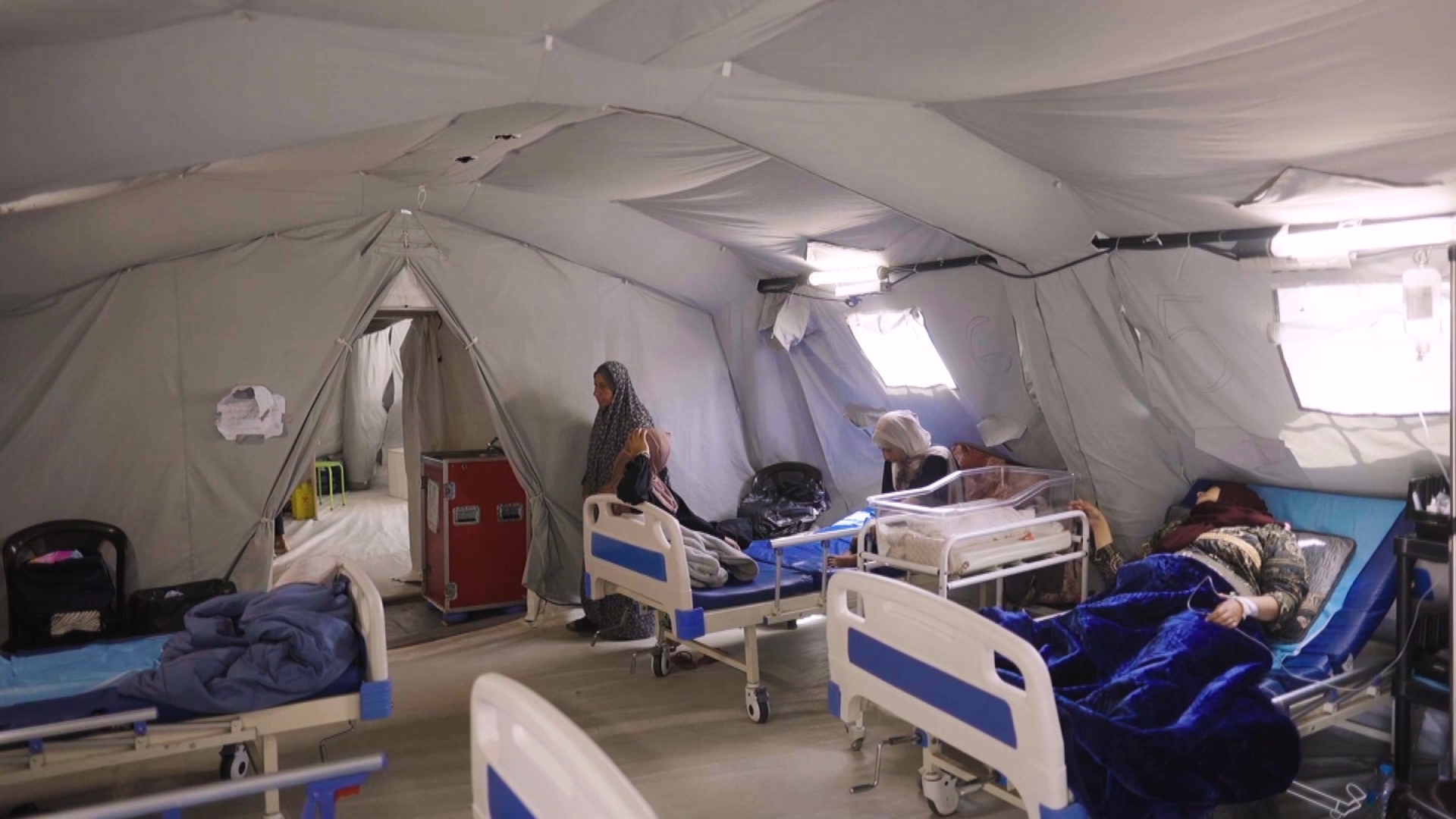
6. Wide Shot, inside the health centre
7. Wide Shot, people waiting outside of UNFPA mobile clinics
8. Med Shot, healthcare staff chatting with patients
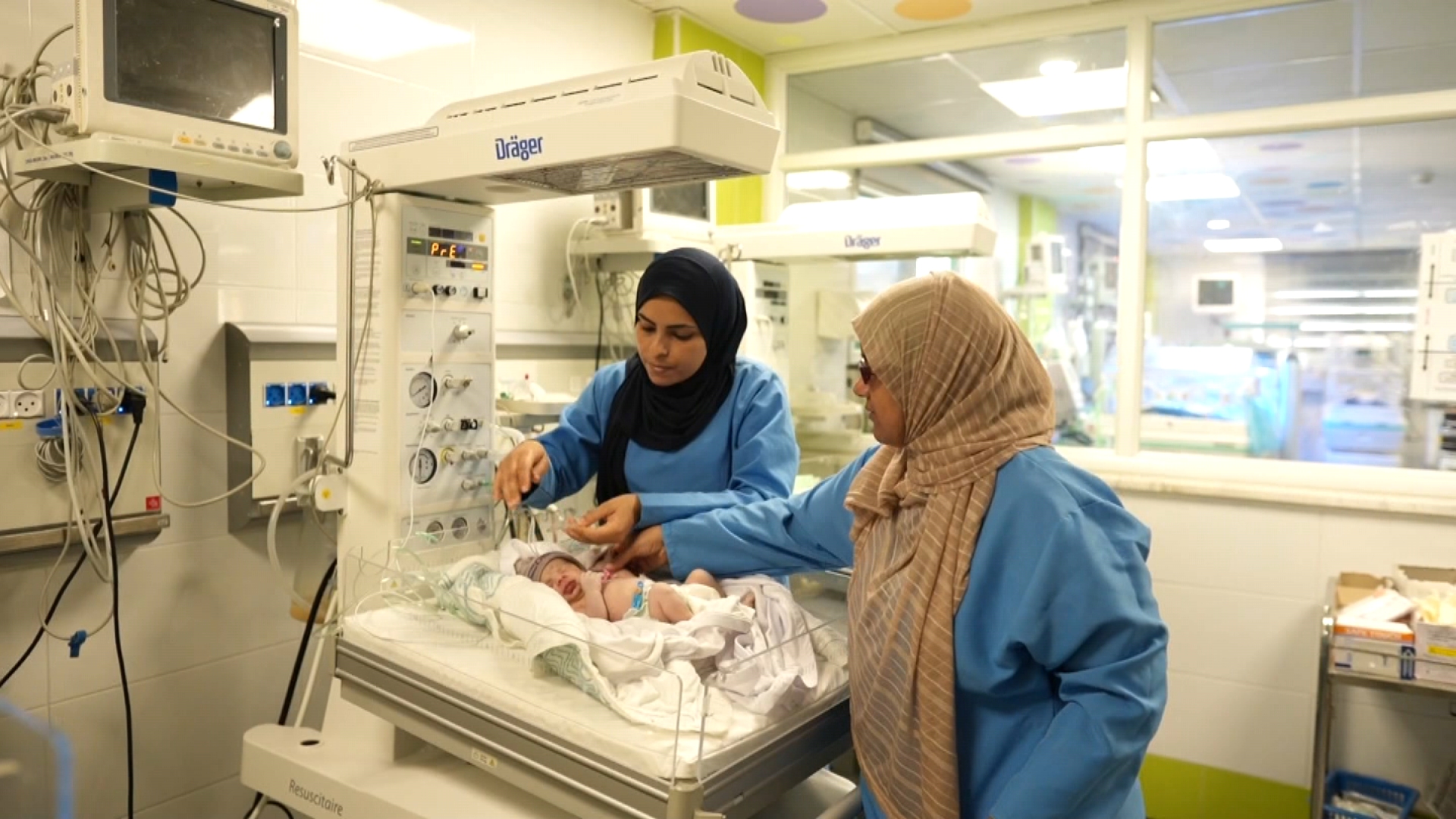
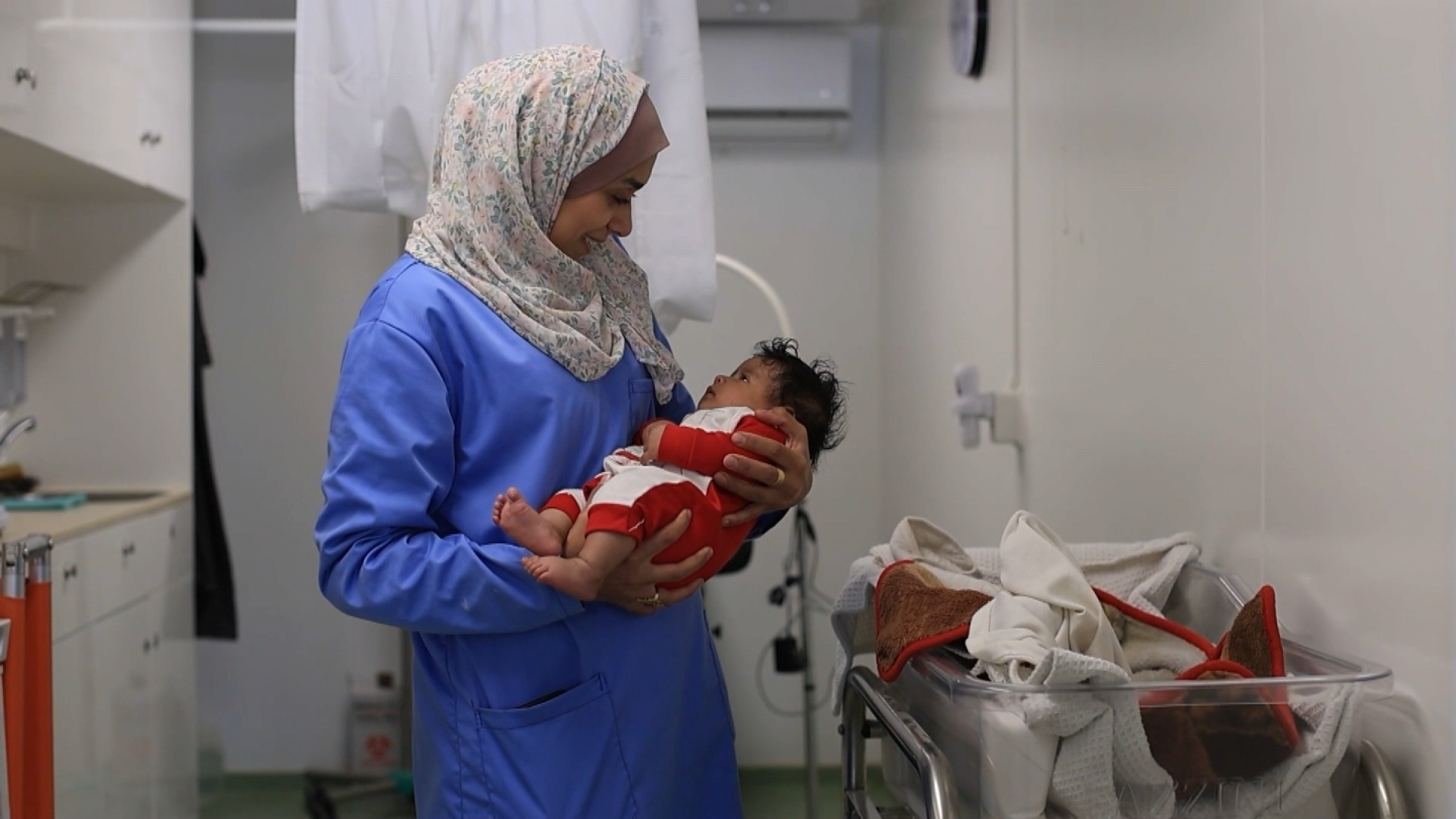
9. Various shots, Wafa and her child
10. SOUNDBITE(Arabic) Wafa Abu Khattab, 38, Mother:
“This is my seventh child. I became pregnant during the war. My pregnancy started on 24 March, and I became pregnant with this child. The beginning of the pregnancy was difficult due to malnutrition. I always relied on IV fluids, and I was regularly following up at the centre. I experienced preterm labour in the early eighth month, but thank God they were closely monitoring me, and I ended up giving birth at the centre. I had infections and malnutrition, and other issues.”
11. Various shots, Wafa talks with healthcare staff
12. SOUNDBITE(Arabic) Wafa Abu Khattab, 38, Mother:
“At the beginning of my pregnancy, I was scared and wanted to terminate it because of the situation and everything I had gone through. I tried, but God willed otherwise.”
13. Various shots, healthcare staff exams Wafa and her child
14. SOUNDBITE(Arabic) Wafa Abu Khattab, 38, Mother:
“The situation is very difficult, especially for the children. Getting diapers and milk for the babies is a huge struggle. I go register at organizations, I register here and there, and when they distribute to the tents, we take them. But honestly, the suffering is severe — especially when it comes to milk and diapers for the baby. We really suffer. I have to calculate when the formula will run out, or when the diapers will finish. There is no work, no income. The situation is extremely hard — truly very, very difficult.”
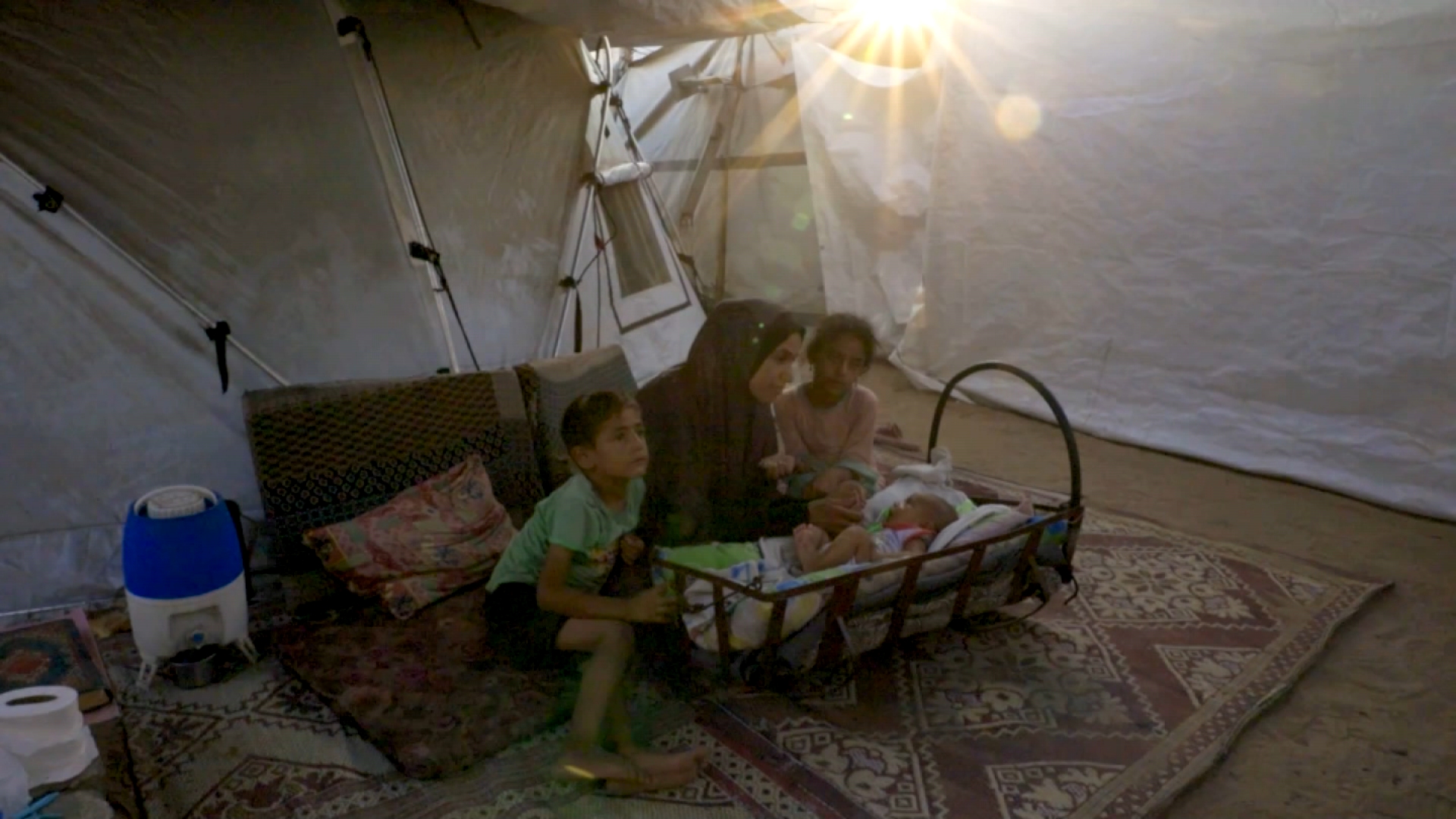
15. Various shots, Aya and her children in a tent
16. SOUNDBITE(Arabic) Aya Hassan, 30, Expectant Mother:
“Honestly, we’re currently living off the charity kitchen, and they come and distribute supplements for pregnant women. So I make sure to follow up to avoid any deficiency because I’m scared, and the situation is very bad in terms of food and things like that.”
17. Various shots, Aya and her children
18. SOUNDBITE(Arabic) Aya Hassan, 30, Expectant Mother:
“I hope, first of all, that the war stops — because I gave birth during the war before, and I’m afraid I’ll have to give birth during the war again. So I really hope this war ends, God willing, and that they provide aid — especially since there are many children suffering from malnutrition. I hope they help them and things like that.”
19. Close up, tin basins
20. Close up, tin basins
More than 70 days after Israel shut down all humanitarian aid into the Gaza Strip, nearly half a million people - one in five of the population - are starving, including close to 11,000 pregnant women. Nearly 17,000 pregnant and breastfeeding women will require treatment for acute malnutrition in the next 11 months. If the aid blockade continues, famine is not only a possibility, but increasingly likely.
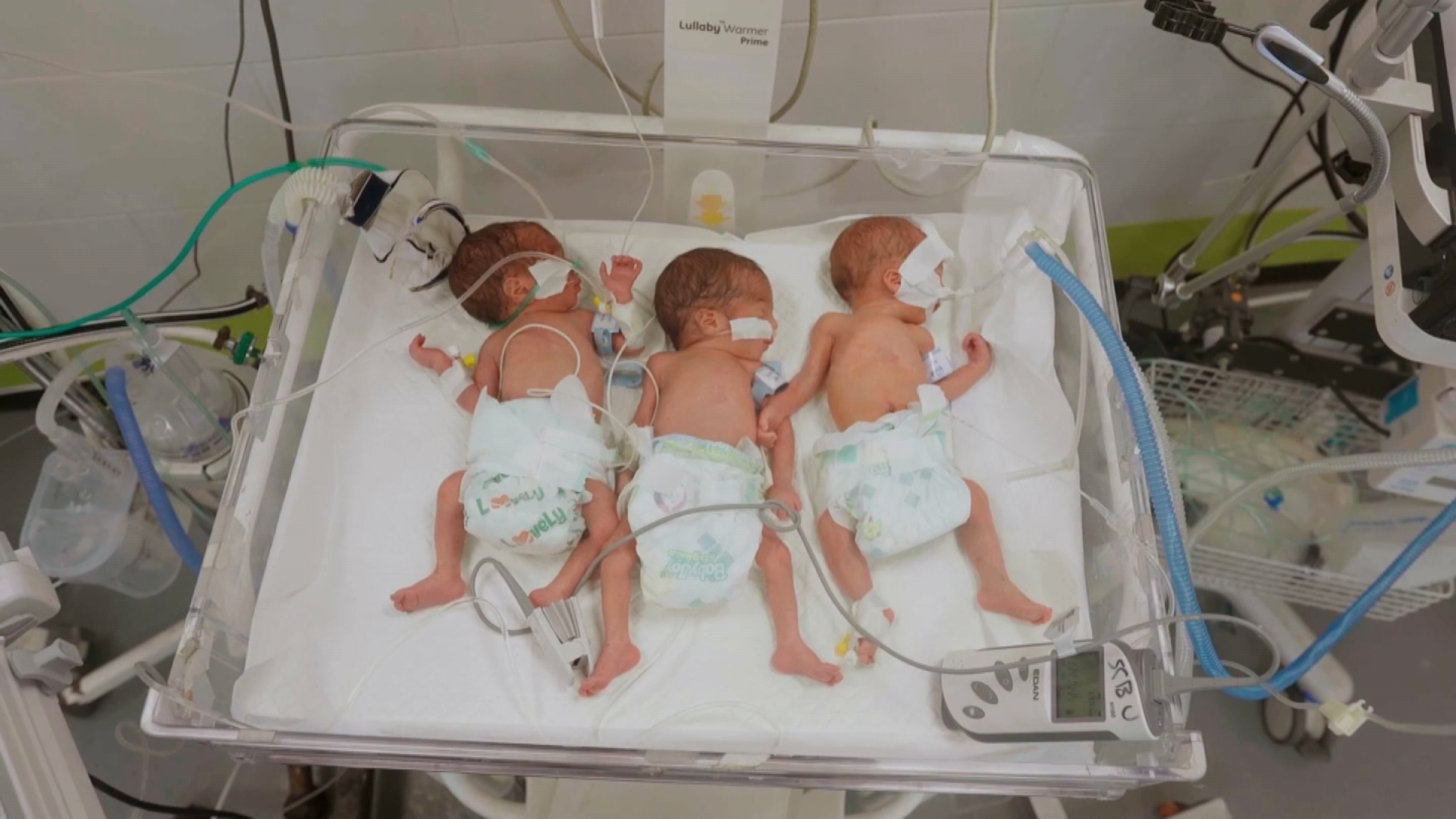
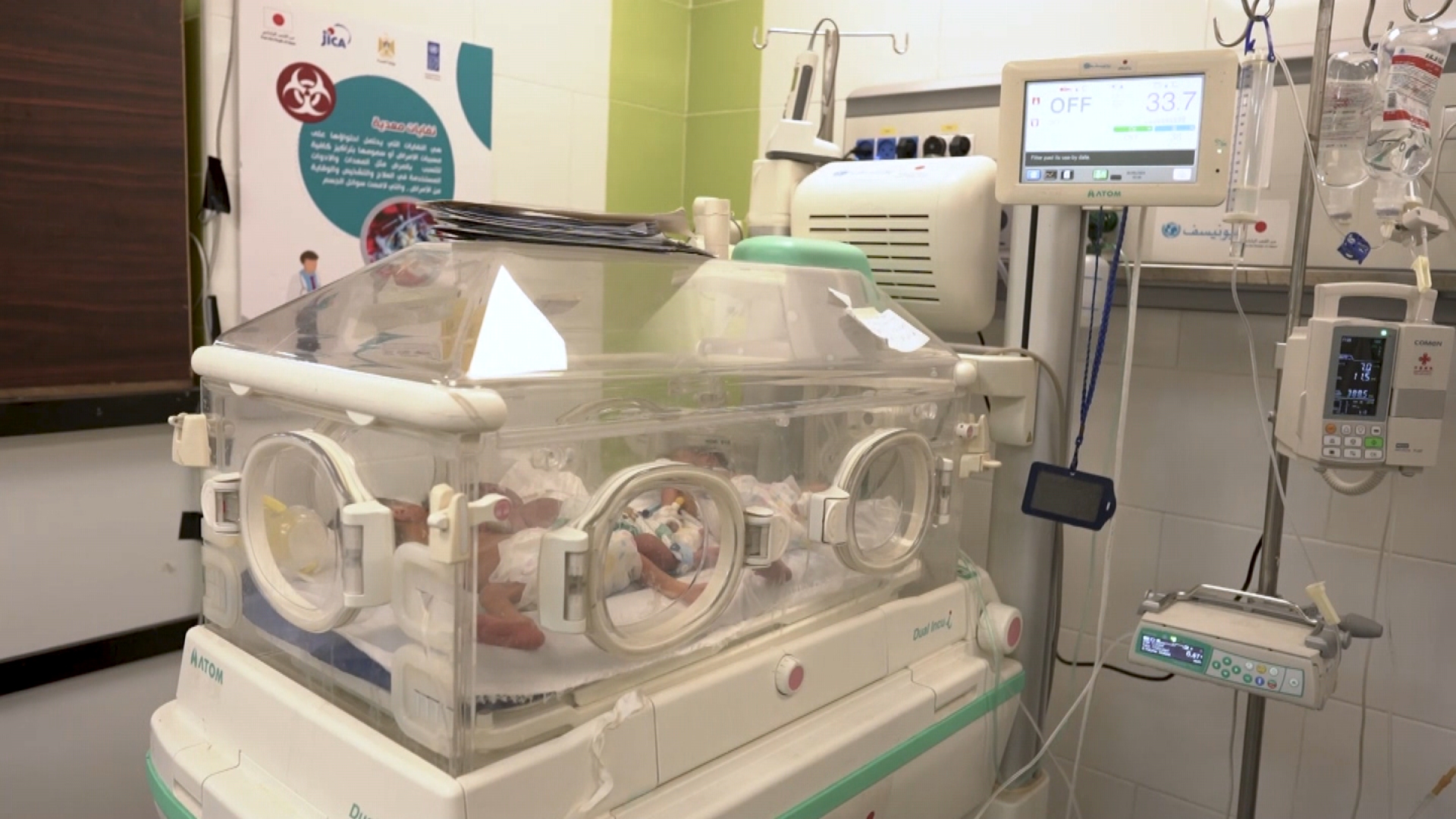
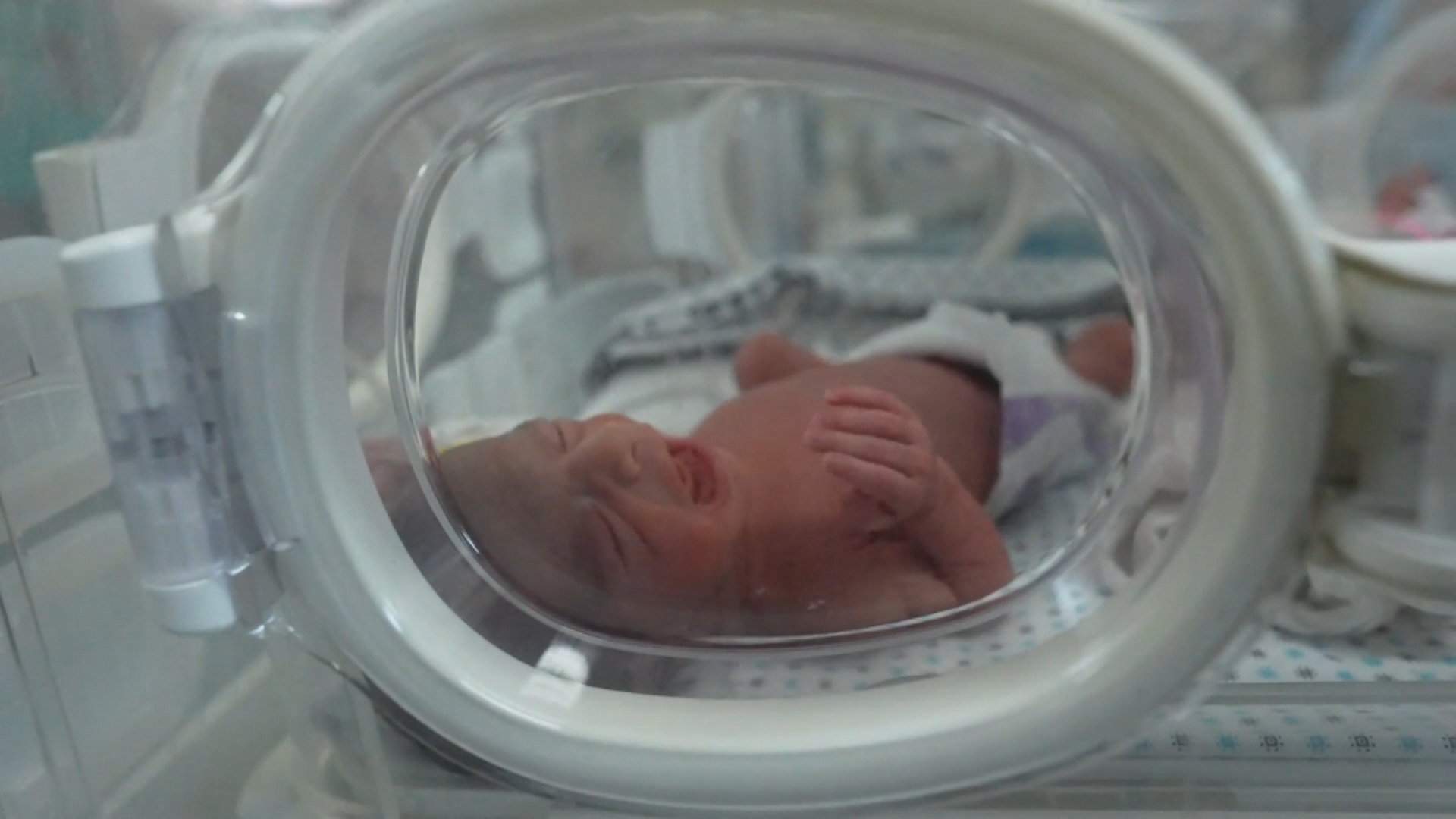
Pregnancy, once a time of excitement, is now one of extreme stress and fear for an estimated 55,000 women in Gaza who wonder whether they and their babies will survive. Hospitals are reporting a sharp rise in the number of pregnant and breastfeeding women suffering from malnutrition, anaemia and iron deficiency with one in three pregnancies now high-risk. The cost of flour, the staple food, is out of reach, while meat, fruits, eggs, and dairy products are no longer available. The severe malnutrition resulting from food scarcity is increasing the risks of pregnancy complications, including miscarriages and stillbirths. Two in 10 newborns are born preterm or underweight in Gaza, requiring specialist care that is increasingly unavailable.
Even if women survive pregnancy and childbirth the outlook is still grim. Malnourished mothers struggle to produce enough nutritious milk to feed fragile newborns, while formula, where available, is being sold at exorbitant prices that few can afford. Finding the clean water to boil and mix with it is near to impossible in makeshift shelters and tents where there is little to no food, water or sanitation.
Access to essential health and nutrition services across the Gaza Strip, including to treat malnutrition, is severely limited, with the aid blockade and ongoing attacks on civilian infrastructure. Many malnutrition centres have been forced to close because of Israeli bombardment or forced displacement orders, denying treatment for thousands of women and children.
UNFPA and partners are ready to deliver aid the moment access is granted but time is running out for malnourished women and children
UNFPA urges all parties to conflict to adhere to international humanitarian law and uphold their obligation to meet the needs of civilians by allowing aid to reach all people in need across Gaza.
Download
There is no media available to download.