Media Home
 UN Web TV
 UN Photo
UNFPA / GAZA MOBILE CLINICS
STORY: UNFPA / GAZA MOBILE CLINICS
TRT: 6:19
SOURCE: UNFPA
RESTRICTIONS: PLEASE CREDIT UNFPA ON SCREEN
LANGUAGE: ARABIC / NATS
DATELINE: 06 MAY 2025, BEIT LAHIA, NORTHERN GAZA; DEIR AL BALAH, GAZA
1. Various shots, drone footage of Kamal Adwan Hospital in Beit Lahia, northern Gaza
2. Various shots, drone shots of Deir Al Balah
3. Various shots, damaged Kamal Adwan Hospital
4. Wide shot, sign of the Al Awda Health and Community Association in Deir Al Balah
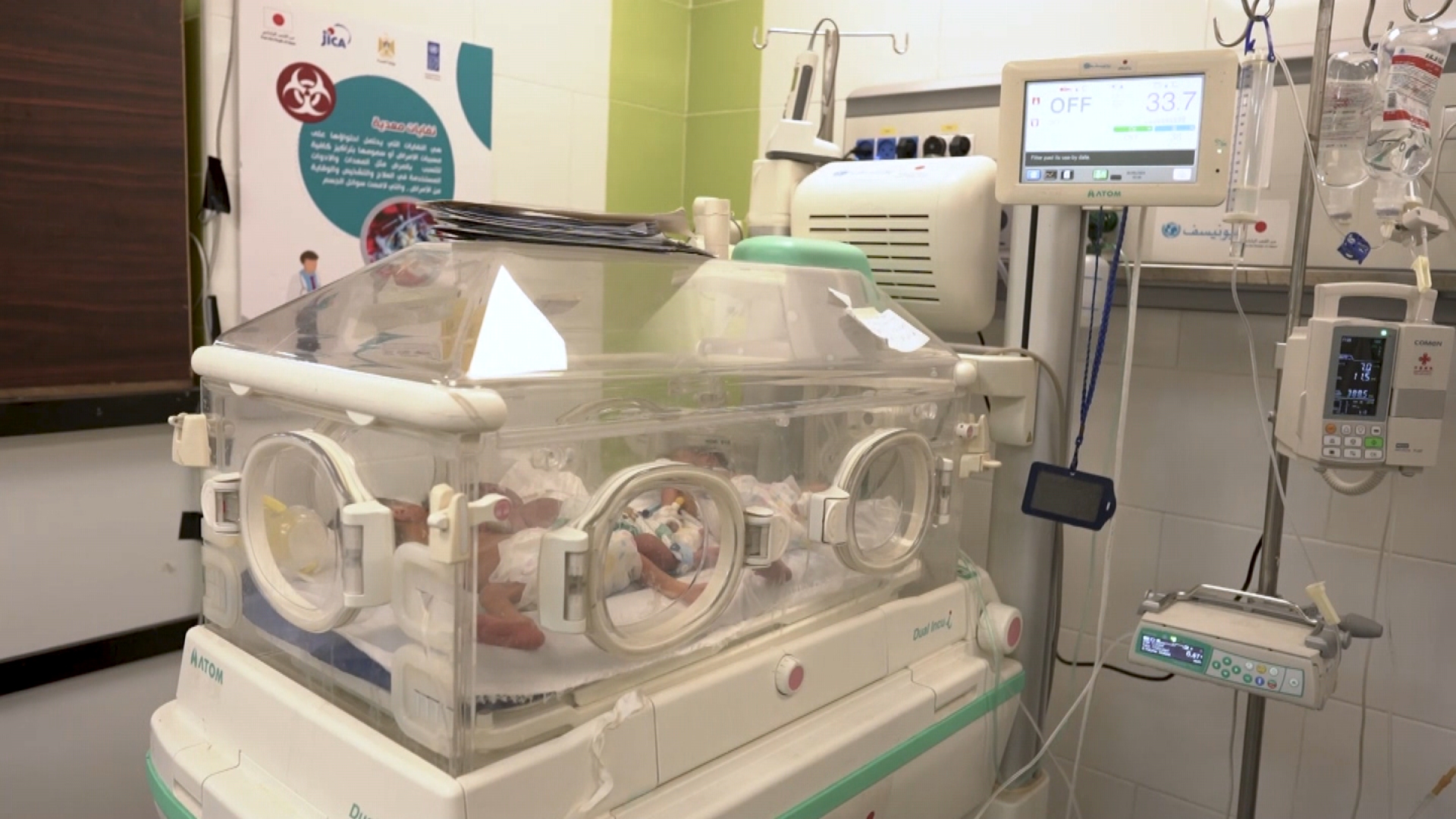
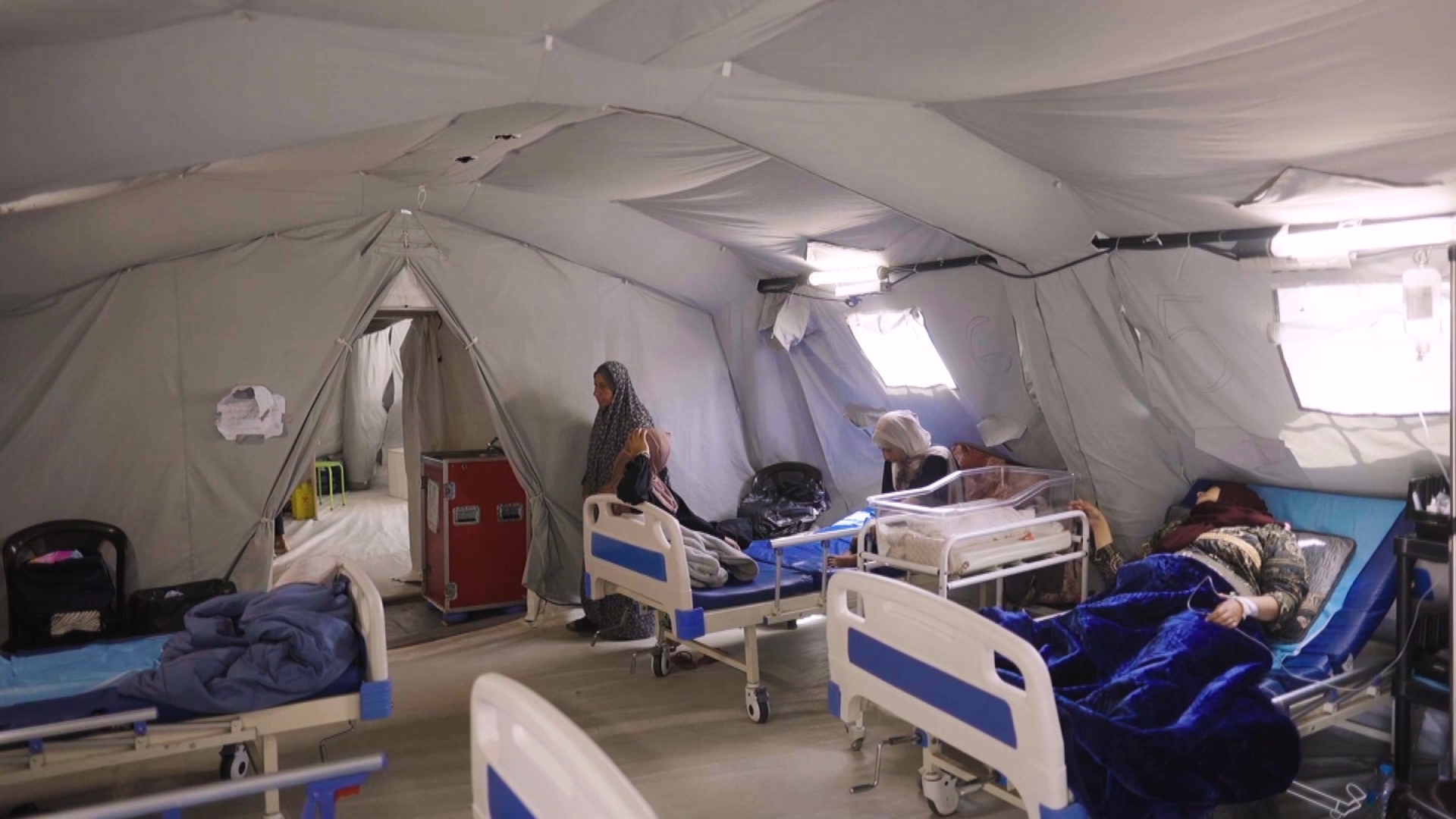
5. Med shot, UNFPA hospitainer
6. Wide shot, container-made health centre
7. Various shots, displaced Gazans visit the health centre
8. Various shots, Dr. Yasser Shaaban Saad Eldin with a mother and her child
9. SOUNDBITE(Arabic) Dr. Yasser Shaaban Saad Eldin, Consultant OB-GYN, Acting Director of Al-Awda Hospital in Nuseirat:
“In regards to the situation for pregnant women during the war and ongoing siege, the severe shortage of food and essential medicines, particularly during the most recent siege, which has lasted for over two months, has had a devastating impact on pregnant women, breastfeeding mothers, and children. Pregnant women are suffering from multiple health issues due to the blockade — including anemia, fetal growth restriction, maternal weakness, malnutrition, infectious diseases, and sexually transmitted infections. The lack of hygiene products is a major contributor to these conditions. We are also facing a critical shortage of medications, including the complete unavailability of pregnancy-supporting drugs, which has led to a rise in miscarriages. We have a shortage of treatments which has led to an increase in illnesses among pregnant women. As for newborns, we are witnessing a significant increase in low birth weight cases, directly linked to maternal malnutrition and anemia in children after they are born, resulting from this maternal malnutrition. Breastfeeding is also severely affected due to the siege and its related consequences.”
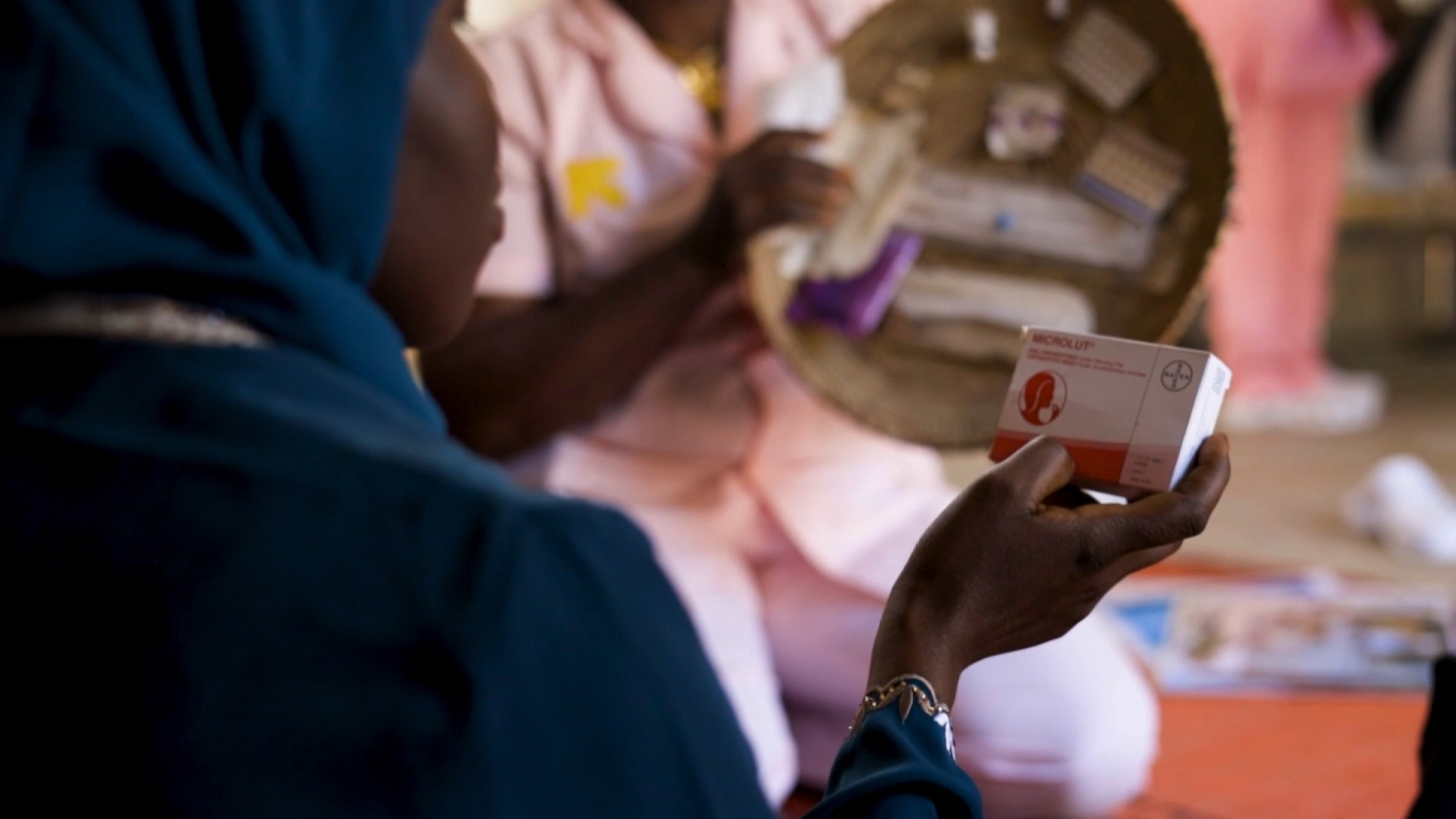
10. Various shots, the centre’s pharmacy
11. Med shot, hygiene products
12. Med shot, staff prepare a kit with hygiene items
13. Close up, a girl
14. Close up, two boys
15. Close up, Al Awda centre sign
16. Various shots, staff in delivery room
17. Various shots, staff weights a baby
18. Various shots, children in the centre
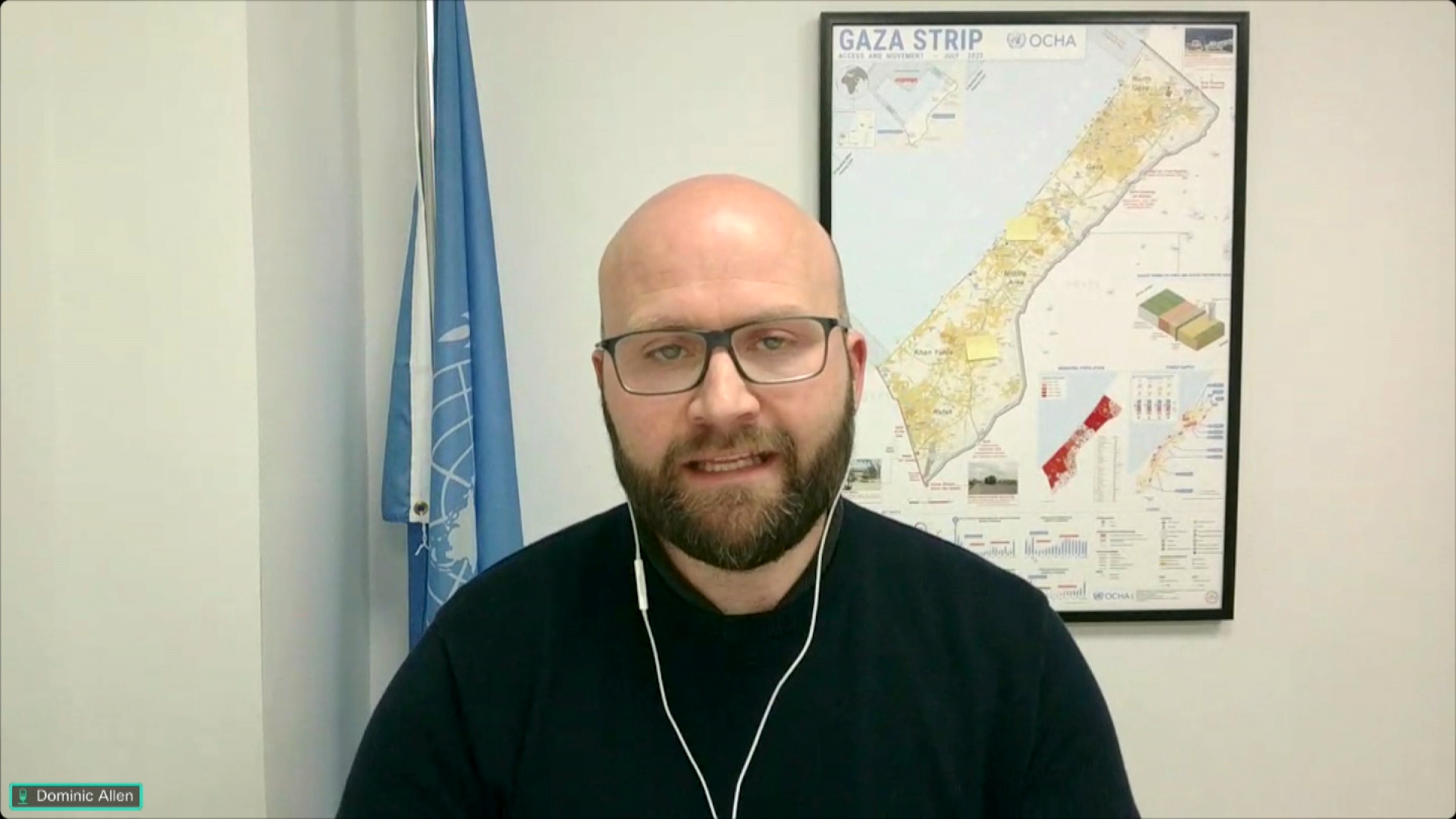
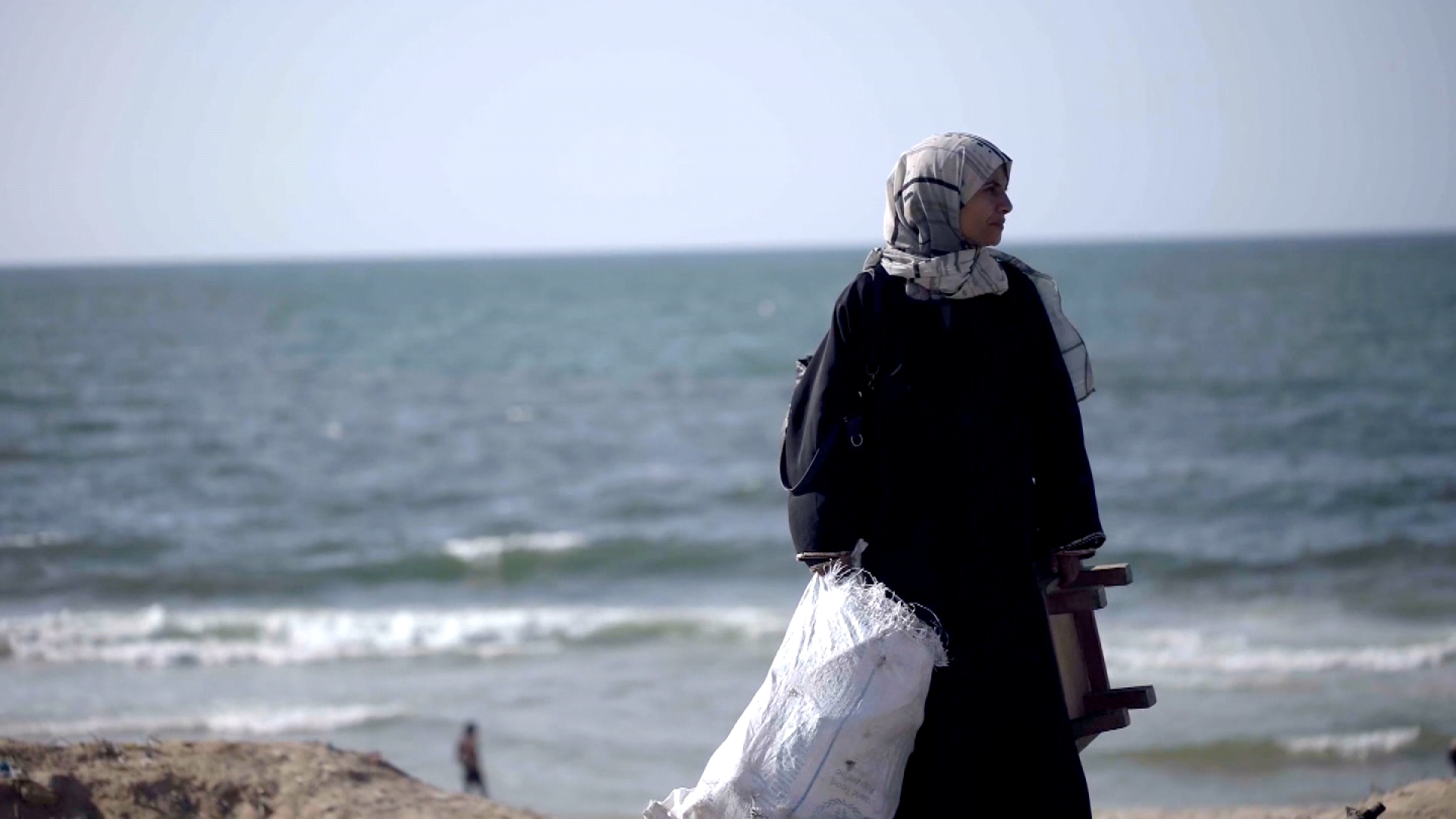
More than 11 weeks after Israel imposed an aid blockade on Gaza, cutting off all supplies including food, medicine, shelter and fuel, one in every five people in Gaza is facing starvation. A trickle of aid has temporarily started to cross the border, but it’s a drop in the ocean compared to needs.
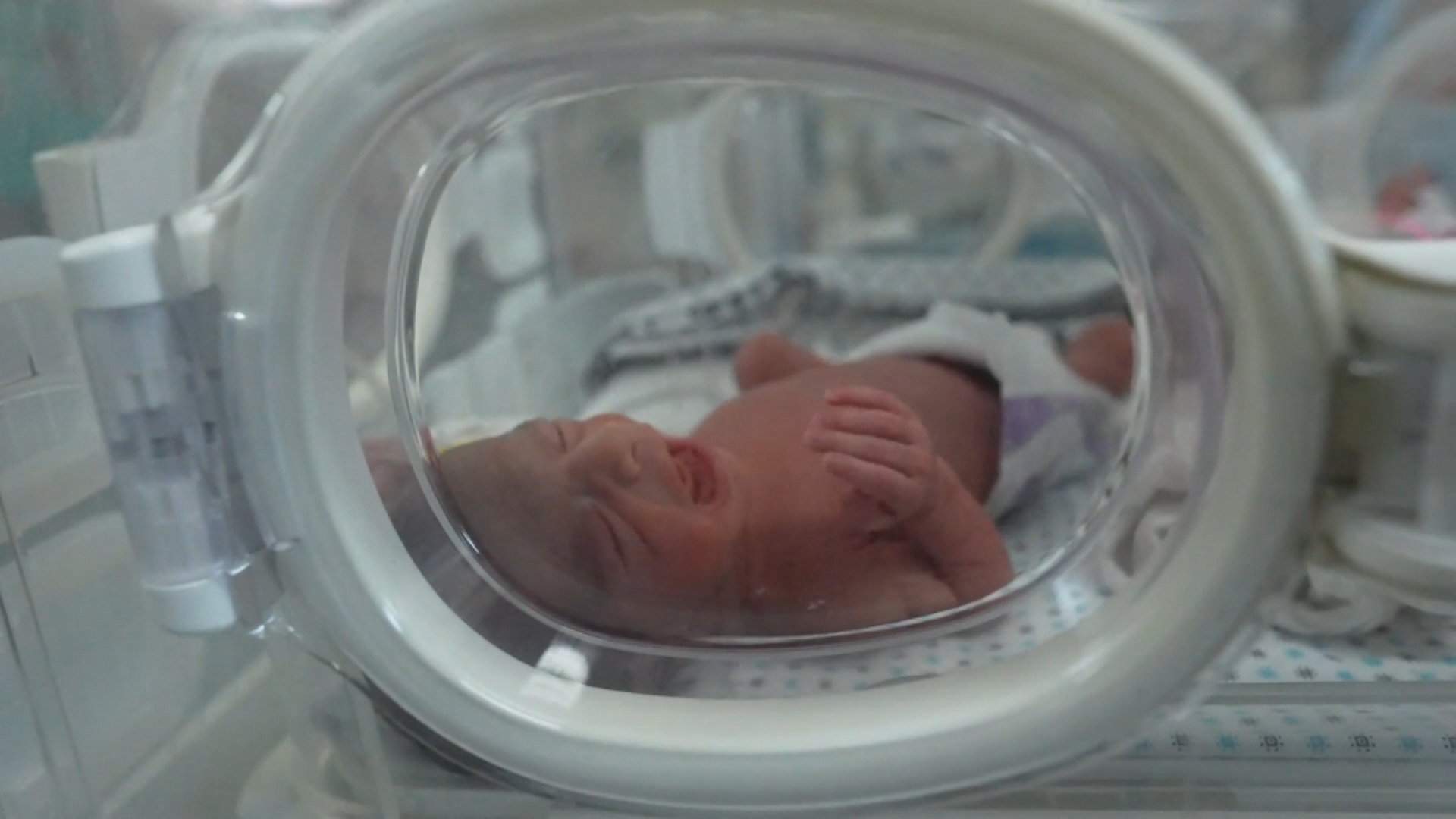
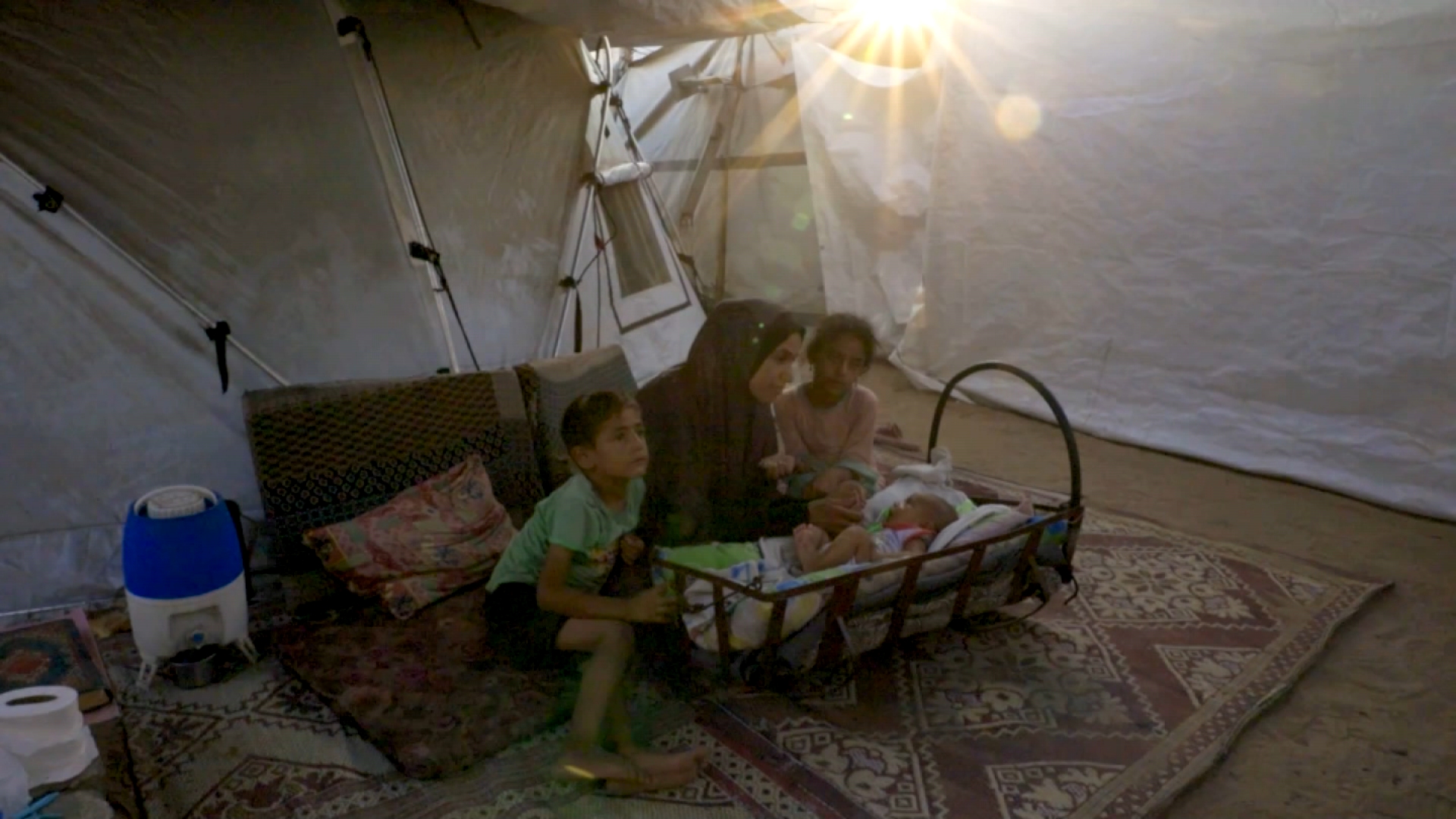
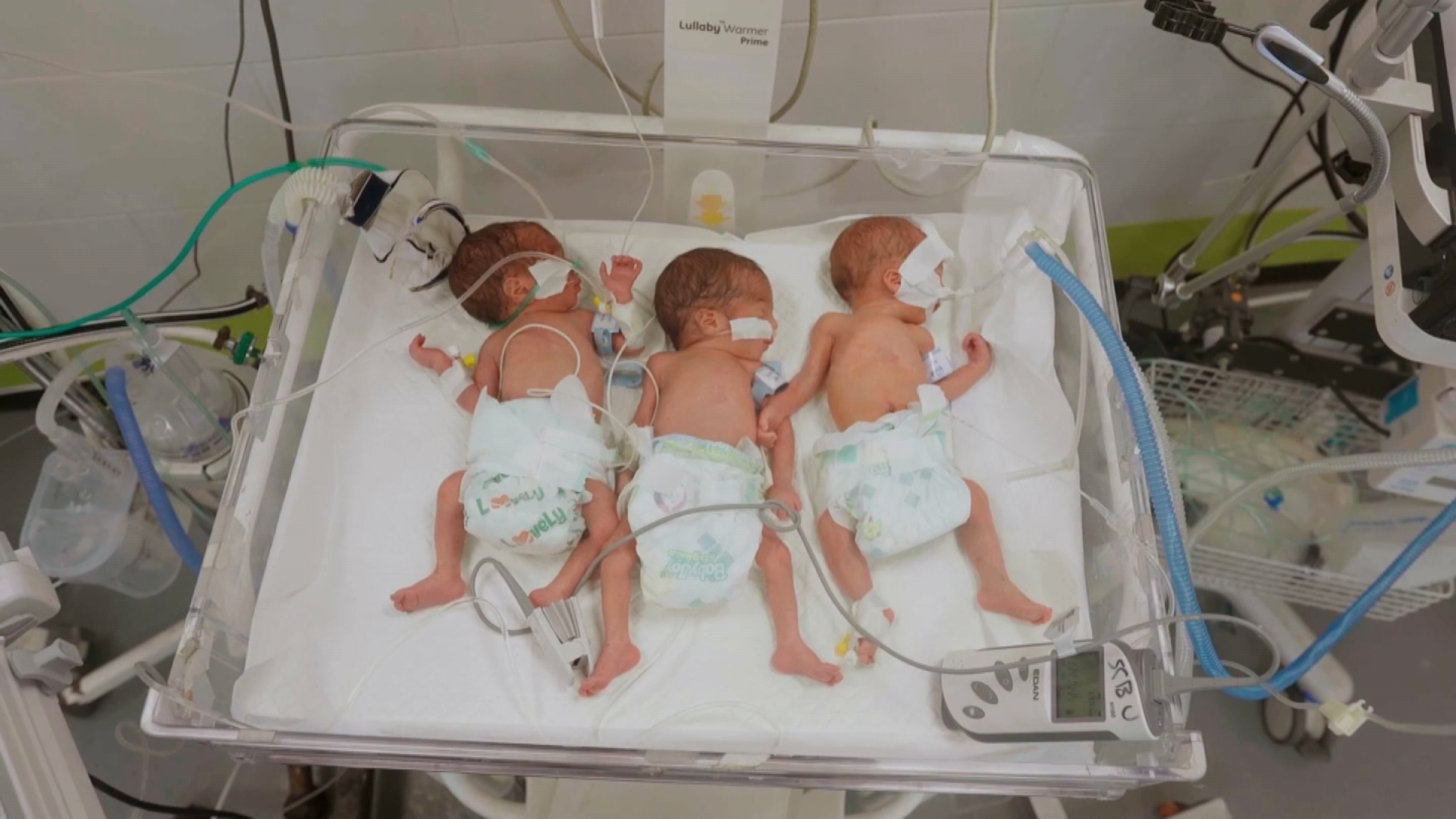
For an estimated 55,000 pregnant women and their newborns, every day is a battle for survival. Close to 11,000 pregnant women are already starving and nearly 17,000 pregnant and breastfeeding women will require treatment for acute malnutrition in the next 11 months.
Hospitals report that there has been a surge in malnutrition, anemia and iron deficiency among pregnant and breastfeeding women, with catastrophic impacts on their health and the health of their newborns. One in three pregnancies is now high-risk. Miscarriages and stillbirths, linked to a lack of nutrition, are rising, and two in 10 newborns are born preterm or underweight, requiring specialist care that is increasingly unavailable.
Dire living conditions and a lack of clean water, sanitation and hygiene and menstrual products have also led to a surge in infectious diseases and infections.
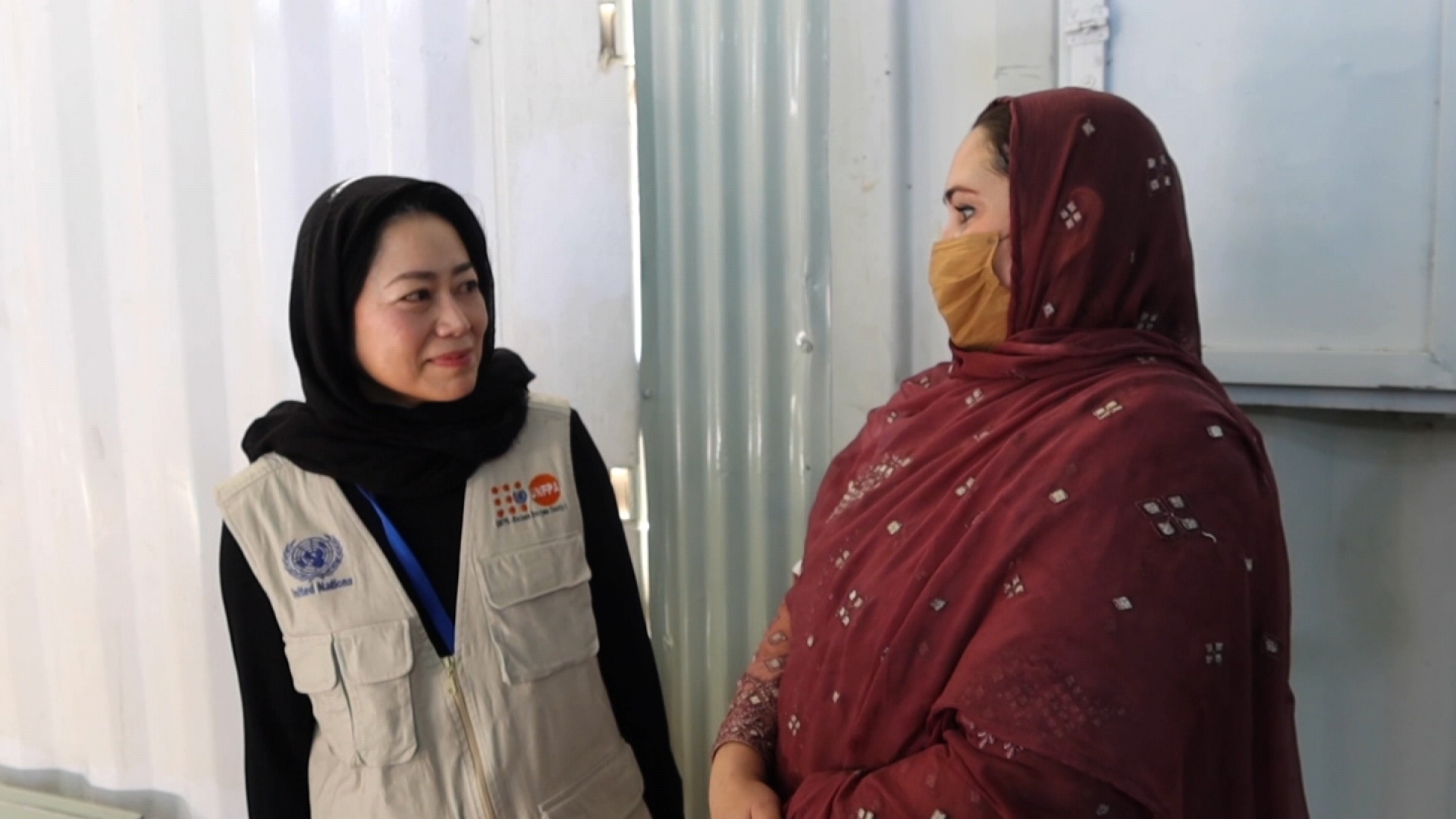
Access to maternal health care is extremely limited. Only 12 hospitals continue to provide obstetric and newborn care, and none of them are fully functional. UNFPA and partners remain on the ground and continue to provide life-saving services to pregnant women through four containerized maternal health units in the Middle Area and Khan Younis. Close to 5,000 women accessed maternal health services in April 2025. Five additional containerized maternity units, medicines, including to manage postpartum haemorrhage, ultrasounds and portable incubators, crucial for premature newborns, hygiene and shelter supplies that are critically needed in Gaza have been stuck at the border for over 10 weeks. None of these supplies as yet are slated to enter Gaza.
Download
There is no media available to download.
Related Content
UNFPA / GAZA MOBILE MATERNITY UNIT