Media Home
 UN Web TV
 UN Audiovisual Library
 UN Photo
UN / FLETCHER HUMANITARIAN PRESSER
Download
There is no media available to download.
Share
STORY: UN / FLETCHER HUMANITARIAN PRESSER
TRT: 04:18
SOURCE: UNIFEED
RESTRICTIONS: NONE
LANGUAGE: ENGLISH / NATS
DATELINE: 15 SEPTEMBER 2025, NEW YORK CITY / FILE
FILE - NEW YORK CITY
1. Wide shot, exterior UN Headquarters
15 SEPTEMBER 2025, NEW YORK CITY
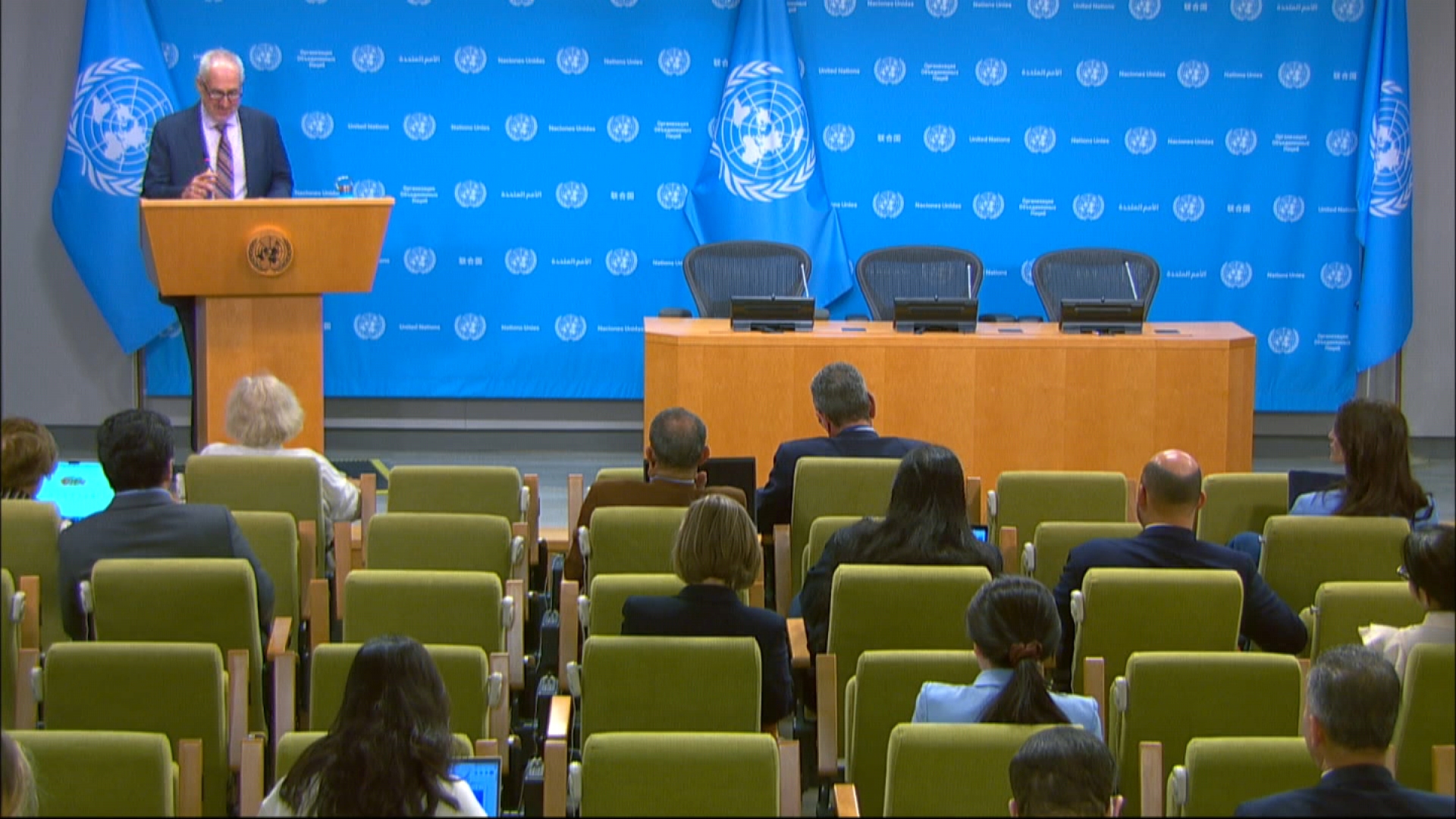
2. Wide shot, press room dais
3. Wide shot, journalists
4. SOUNDBITE (English) Tom Fletcher, Under-Secretary-General for Humanitarian Affairs and Emergency Relief Coordinator, United Nations:
“There are many who would like to see the UN being weakened, which of course is a reckless act of self-harm. And so, we have to push back against this crisis of finance. Yes. But also, these challenges to our legitimacy and to our confidence.”
5. Wide shot, press room dais
6 SOUNDBITE (English) Tom Fletcher, Under-Secretary-General for Humanitarian Affairs and Emergency Relief Coordinator, United Nations:
“The underfunded bit of it has, if anything, got worse since I was last here. So, we've only been funded 19 percent of what we need. One nine, just to be clear, which is a 40 percent drop on where we were last year. Devastating. Makes it an age of indifference. And as you know, those funding cuts have already meant that we have hyper, hyper prioritised our planning in order to target saving 114 million lives, which would cost 29 billion dollars.”
7. Wide shot, press room dais
8. SOUNDBITE (English) Tom Fletcher, Under-Secretary-General for Humanitarian Affairs and Emergency Relief Coordinator, United Nations:
“We are under attack. Last year, 380 plus aid workers killed, highest ever. 270 already this year. It's a record that I fear will break again. And that violence against us - and I'll come on to Yemen, for example, and of course OPT, Gaza- is somehow being normalized.”
9. Wide shot, press room dais
10. SOUNDBITE (English) Tom Fletcher, Under-Secretary-General for Humanitarian Affairs and Emergency Relief Coordinator, United Nations:
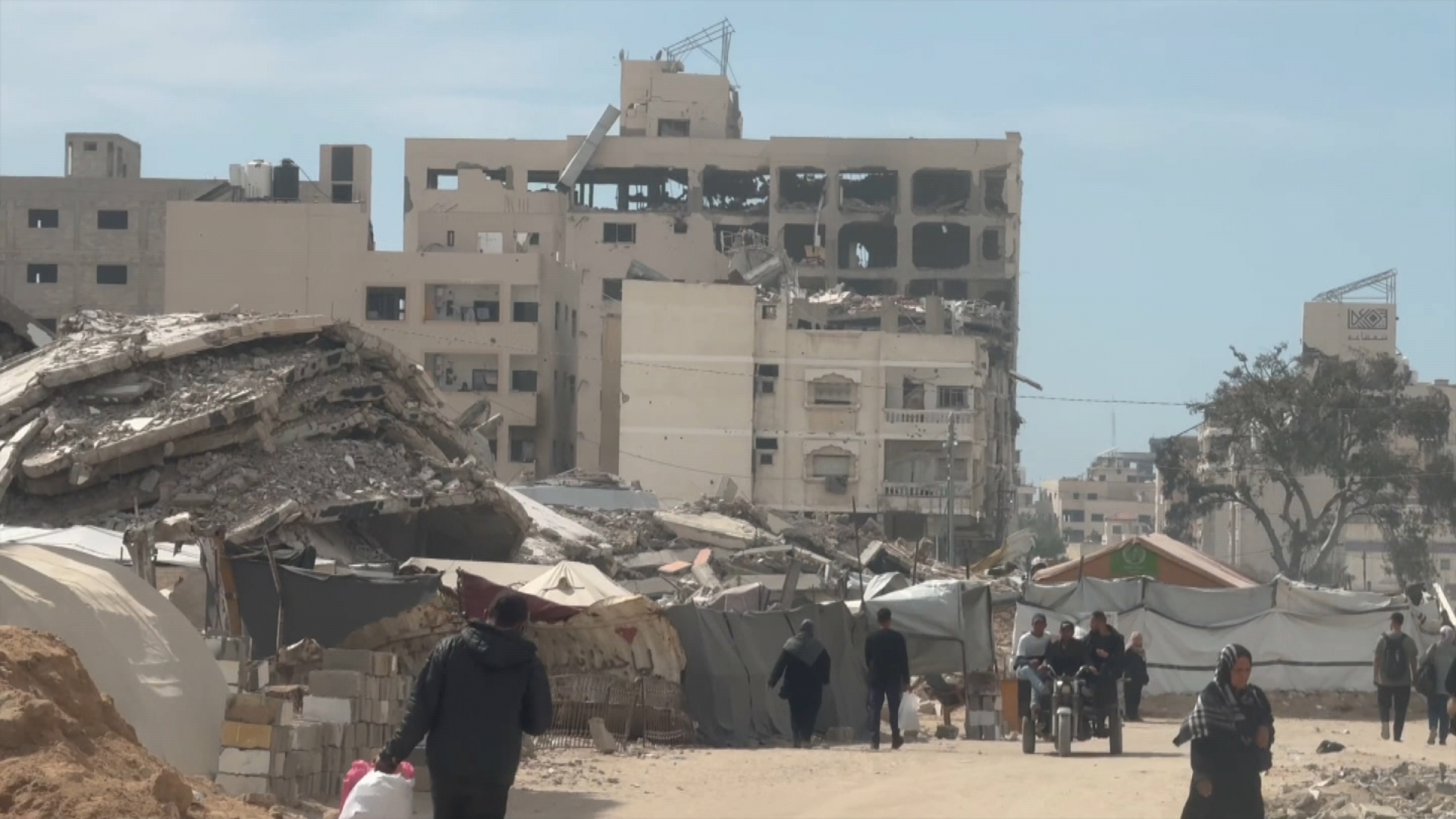
“We need the crossings open. We need functional access. We need unimpeded safe passage inside Gaza. We need the looting to stop. We need the hostages to be released. We need a ceasefire now. And all of this, of course, is against the backdrop where the rules of war are being corroded day by day. We've heard Israeli ministers talking openly about flattening Gaza and forcing people out permanently, bombing food aid and so on.”
11. Med shot, journalist
12. SOUNDBITE (English) Tom Fletcher, Under-Secretary-General for Humanitarian Affairs and Emergency Relief Coordinator, United Nations:
“Particular focus on trying to get this siege of El Asher lifted. 900,000 people there are in desperate, desperate need of our lifesaving work. That will be a big theme of the coming days. Syria, looking to see how we can use the visit of the President and his team to ensure we've got the right balance in the conversation between the humanitarian imperative and that longer term development and resilience and reconstruction effort that will allow the people of Syria, as they wish to, to reduce that dependence on humanitarian aid.”
13. Wide shot, press room dais
14. SOUNDBITE (English) Tom Fletcher, Under-Secretary-General for Humanitarian Affairs and Emergency Relief Coordinator, United Nations:
“The violence has to end. I saw the last functioning hospital in Port au Prince pushed to the brink. Real concern over the sustainability of that operation. I met young people trapped by violence, but who are finding ways to rebuild their lives. Spoke with many of the IDP families living in the most unthinkable conditions. And most challenging, I spent a long meeting with survivors of gender-based violence, who have faced just unspeakable and repeated attacks.”
15. Med shot, journalist
16. SOUNDBITE (English) Tom Fletcher, Under-Secretary-General for Humanitarian Affairs and Emergency Relief Coordinator, United Nations:
“Can I guarantee that every grain of rice that gets looted from our lorries doesn't end up on the market in some way or doesn't get stolen by Hamas fighters? No, it's impossible in those chaotic conditions to guarantee that. But we feel very confident that we have a system that ensures the majority does get to civilians. If we're allowed to operate. You know, if we could flood Gaza with hundreds of trucks a day, the looting would go away. The prices in the markets would come down. So, we know we can do that. And we can do that even in these incredibly difficult conditions that exist”
17. Wide shot, end of briefing
The United Nations top humanitarian official, Tom Fletcher, today (15 Sep) said, “there are many who would like to see the UN being weakened" and called for the Organization to “push back against this crisis of finance” and “these challenges to our legitimacy and to our confidence.”
Talking to reporters in New York ahead of High-Level week, Fletcher said the financial situation “got worse since I was last here,” noting that “we've only been funded 19 percent of what we need.”
He said, “those funding cuts have already meant that we have hyper, hyper prioritised our planning in order to target saving 114 million lives, which would cost 29 billion dollars.”
Fletcher stressed that humanitarian workers are “under attack,” adding that last year, 380 plus aid workers were killed, the “highest ever.”
He said, “it's a record that I fear will break again. And that violence against us - and I'll come on to Yemen, for example, and of course OPT, Gaza- is somehow being normalized.”
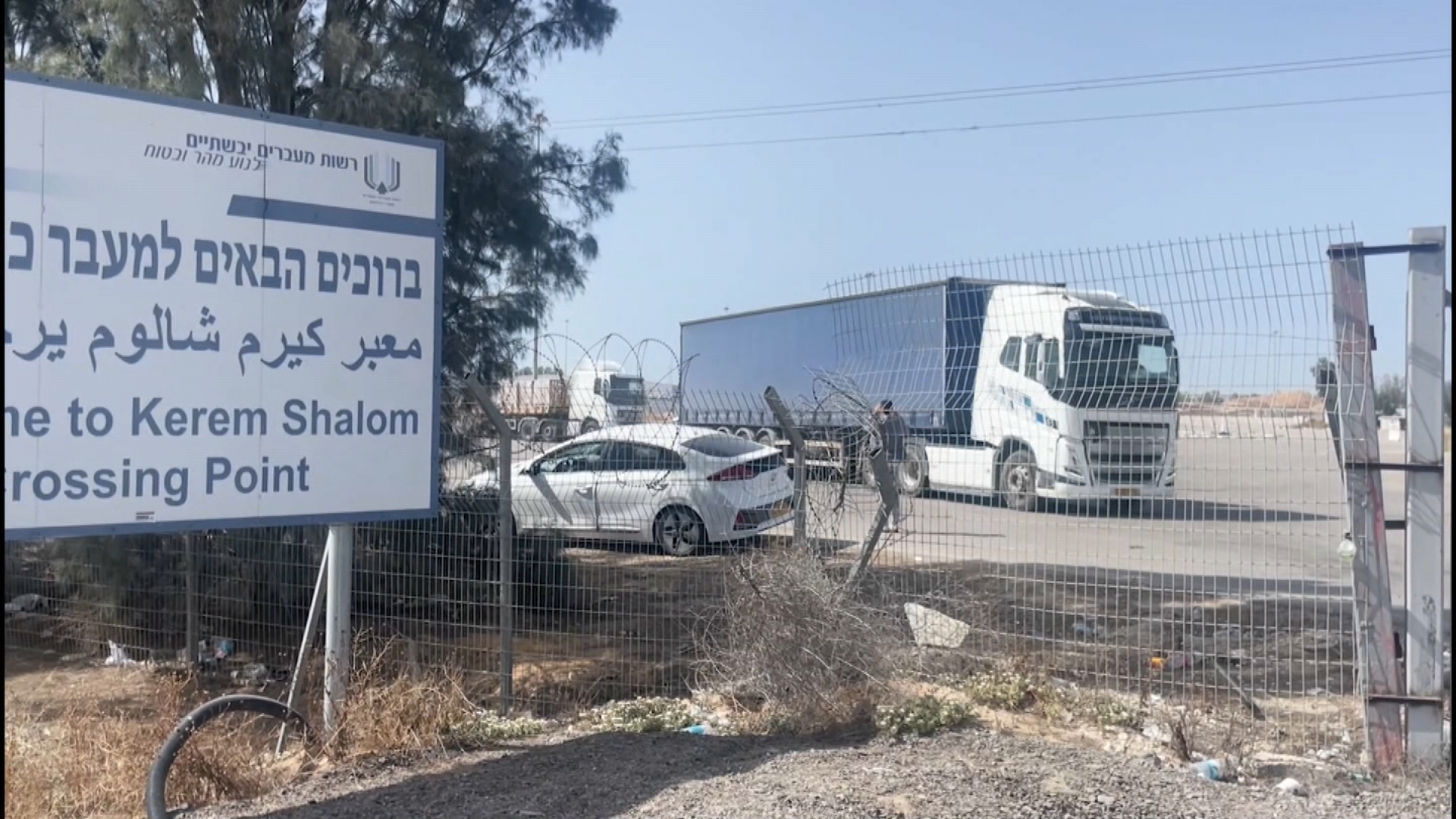
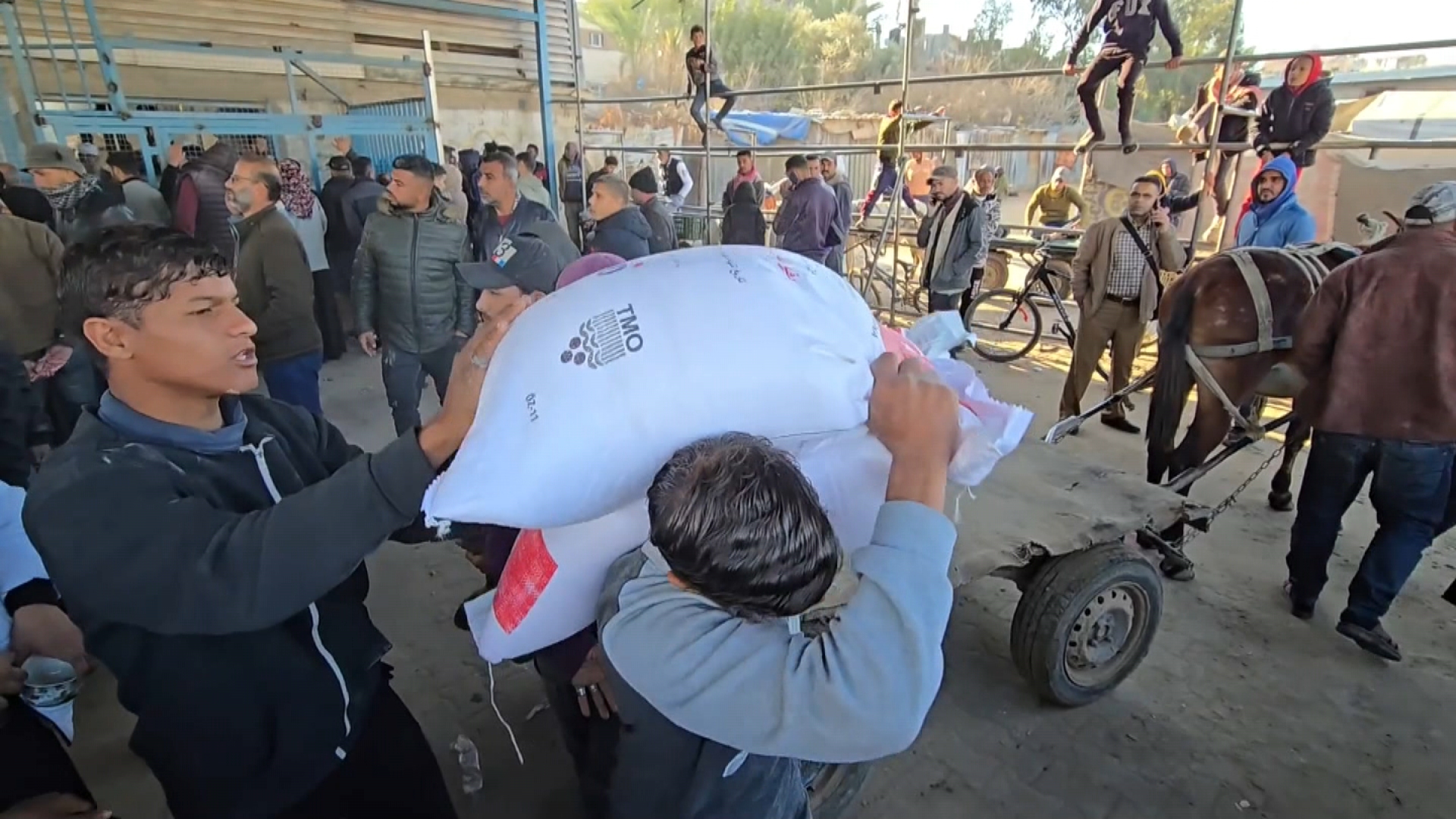
On Gaza, Fletcher said, “we need the crossings open. We need functional access. We need unimpeded safe passage inside Gaza. We need the looting to stop. We need the hostages to be released. We need a ceasefire now.”
And all of this, he added, “is against the backdrop where the rules of war are being corroded day by day.
On Sudan, he said, “particular focus on trying to get this siege of El Asher lifted,” where “900,000 people there are in desperate, desperate need of our lifesaving work.”
On Syria, he said he expected the visit of President Ahmed al-Sharaa and his team “to ensure we've got the right balance in the conversation between the humanitarian imperative and that longer term development and resilience and reconstruction effort that will allow the people of Syria, as they wish to, to reduce that dependence on humanitarian aid.”
On Haiti, which he visited last week, Fletcher said, “the violence has to end.”
He noted that the capital Port au Prince is “pushed to the brink” and told reporters he had met “young people trapped by violence, but who are finding ways to rebuild their lives,” as well as “IDP families living in the most unthinkable conditions” and survivors of gender based violence, “who have faced just unspeakable and repeated attacks.”
Responding to a journalist’s question on aid delivery in Gaza, Fletcher said, “can I guarantee that every grain of rice that gets looted from our lorries doesn't end up on the market in some way or doesn't get stolen by Hamas fighters? No, it's impossible in those chaotic conditions to guarantee that. But we feel very confident that we have a system that ensures the majority does get to civilians. If we're allowed to operate. You know, if we could flood Gaza with hundreds of trucks a day, the looting would go away. The prices in the markets would come down. So, we know we can do that. And we can do that even in these incredibly difficult conditions that exist.”