Media Home
 UN Web TV
 UN Audiovisual Library
 UN Photo
BELEM / COP30 CLIMATE FINANCE
STORY: BELEM / COP30 CLIMATE FINANCE
TRT: 02:00
SOURCE: COURTESY EMPRESA BRASIL DE COMUNICAÇÃO (EBC)
RESTRICTIONS: PLEASE CREDIT EBC ON SCREEN
LANGUAGE: ENGLISH / NATS
DATELINE: 06, 15 NOVEMBER 2025, BELEM, BRAZIL
06 NOVEMBER 2025, BELEM, BRAZIL
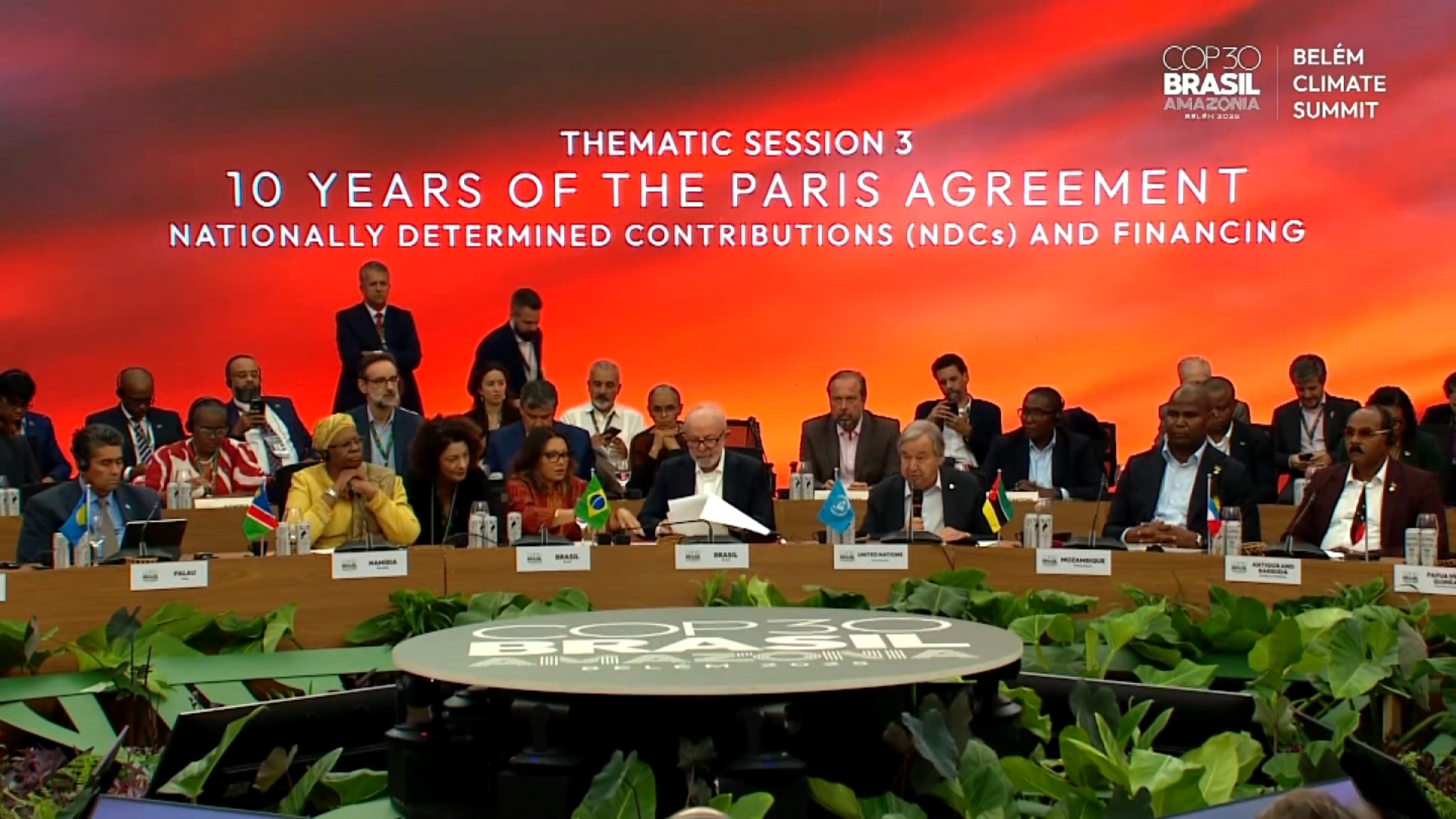
1. Aerial shot, exterior, COP30 venue
15 NOVEMBER 2025, BELEM, BRAZIL
2. Wide shot, dais
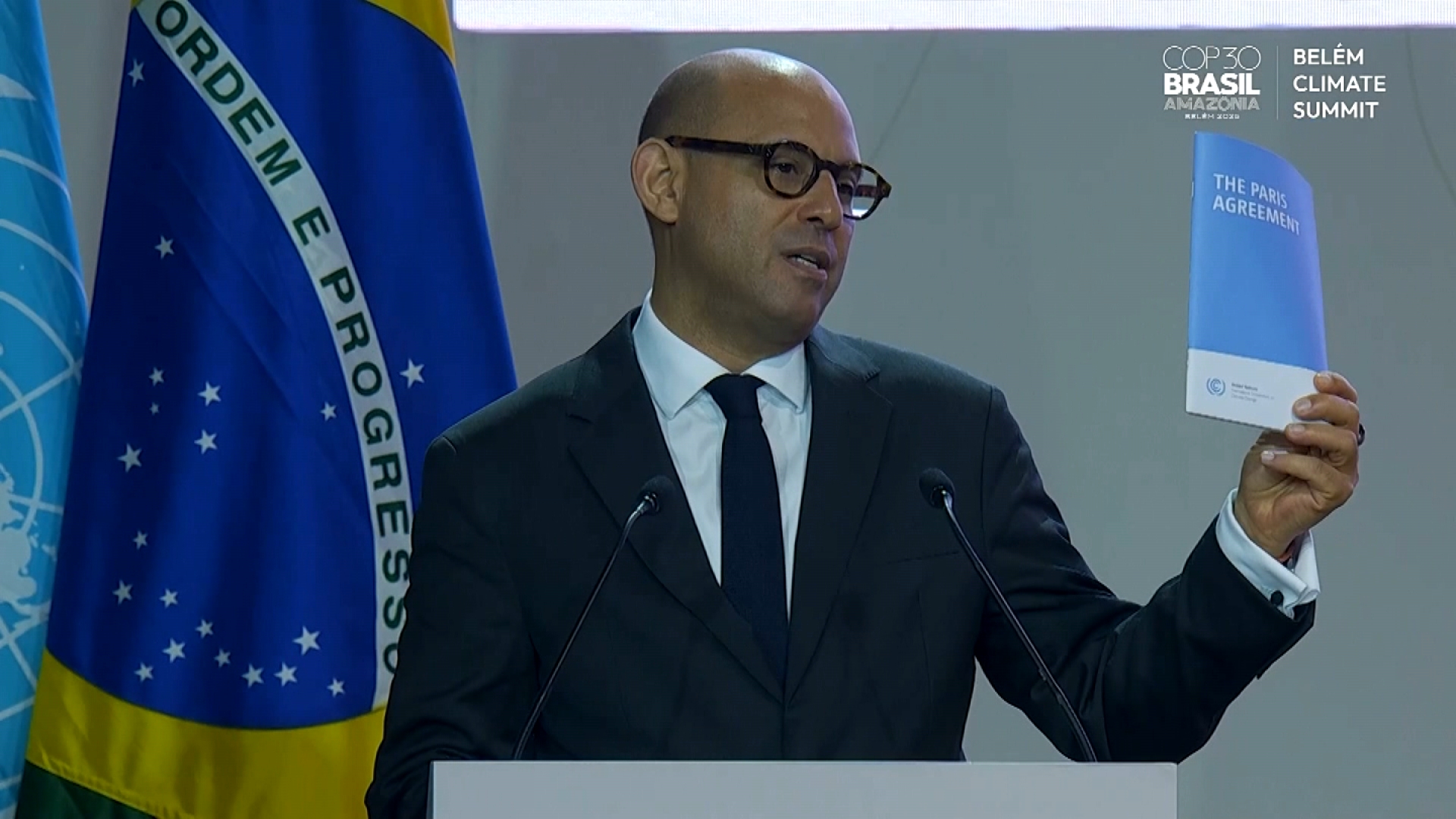
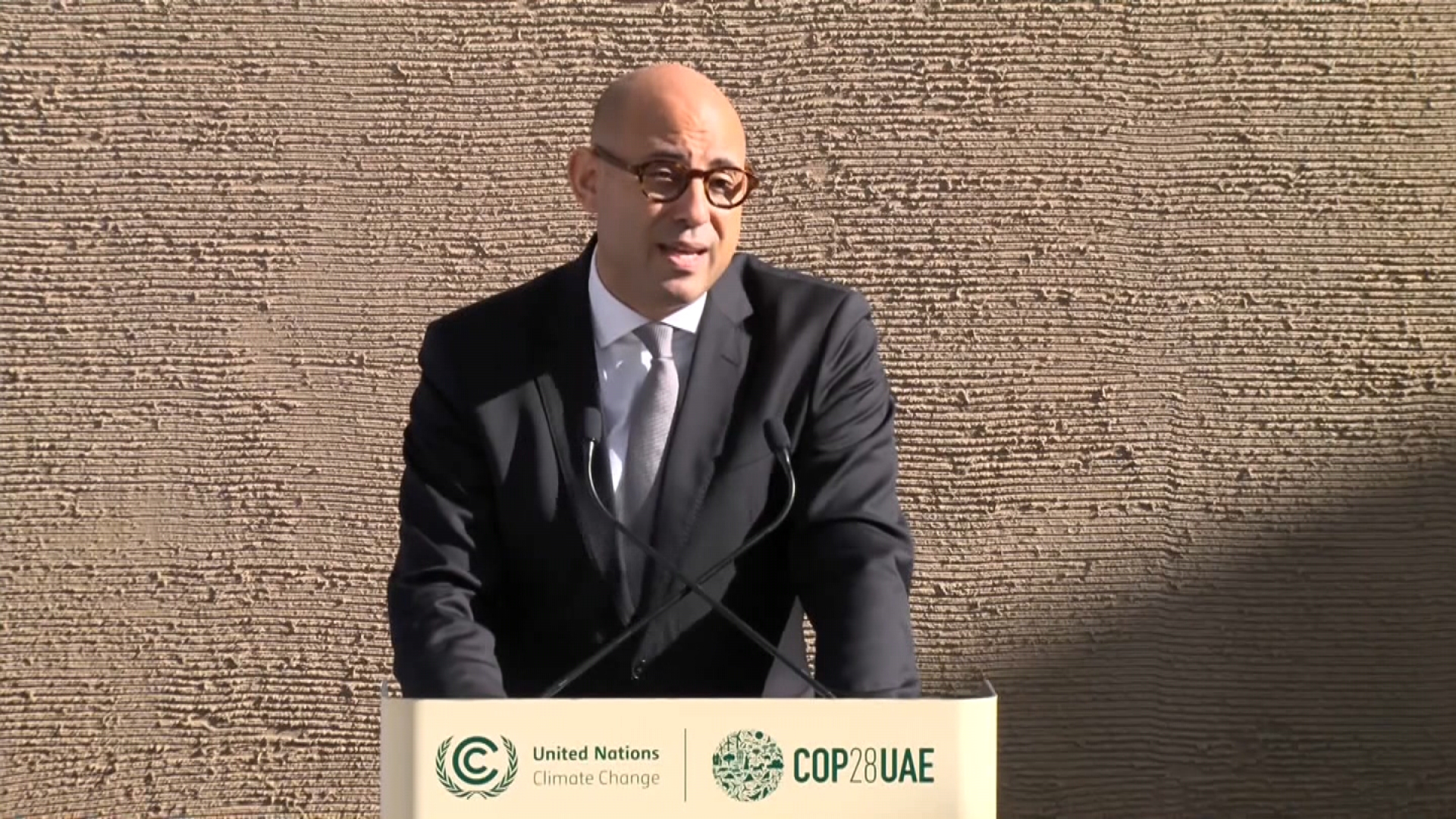
3. SOUNDBITE (English) Simon Stiell, Executive Secretary, United Nations Framework Convention on Climate Change (UNFCCC):
“Climate finance is the lifeblood of climate action. It is what turns plans into progress and ambition into implementation.”
4. Wide shot, dais
5. SOUNDBITE (English) Simon Stiell, Executive Secretary, United Nations Framework Convention on Climate Change (UNFCCC):
“Since Paris, we have come a long way. Climate cooperation is working. Public and private flows of climate finance are growing. New partnerships are being forged, and we are seeing billions of dollars flowing into clean energy resilience and just transitions across the world. But the truth is, we are not far enough down that road. Climate finance is not yet sufficient or reliable enough, and it's not shared widely or fairly enough.”
6. Wide shot, dais
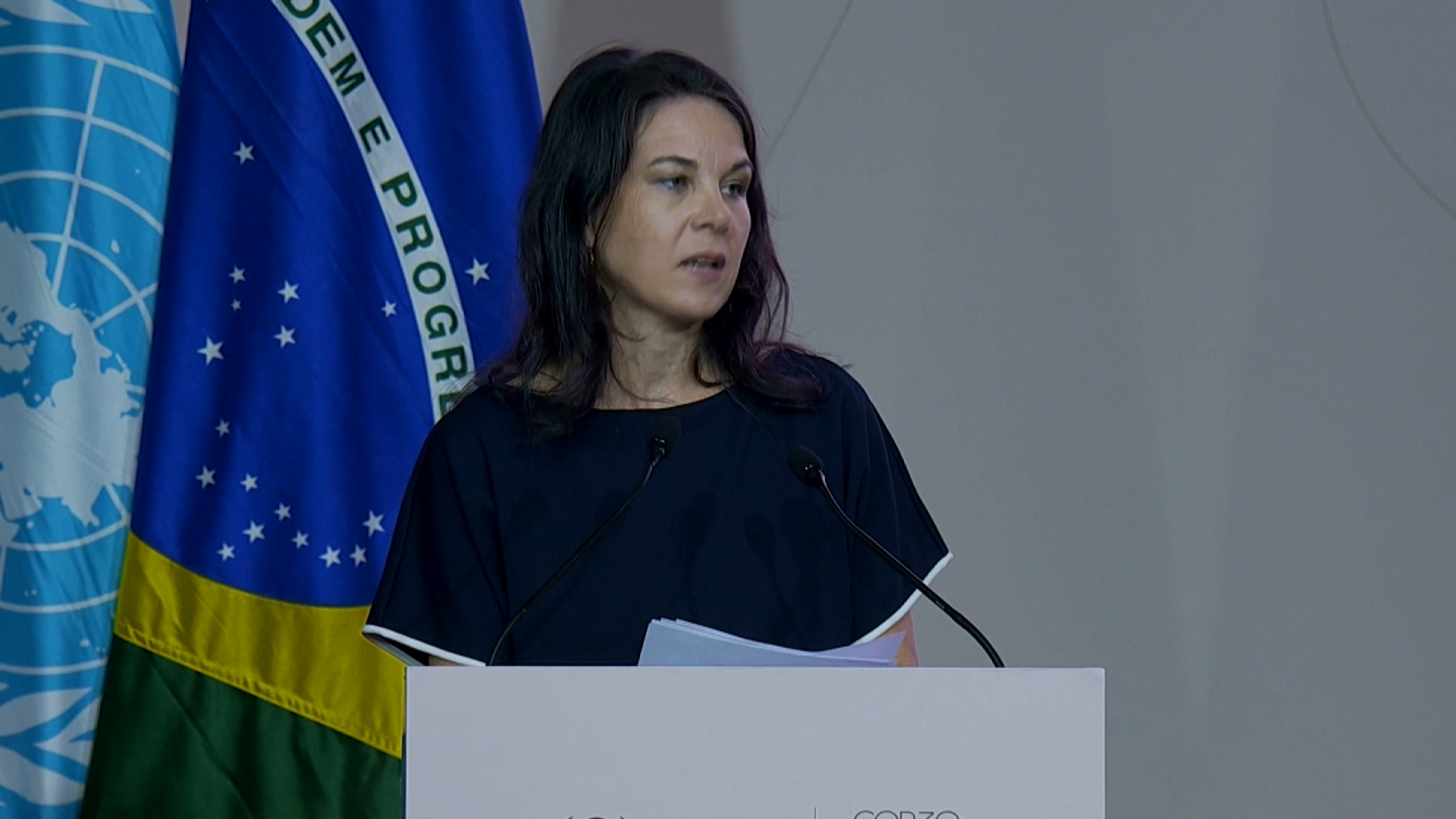
7. SOUNDBITE (English) Annalena Baerbock, President, General Assembly, United Nations:
“Even as renewable energies are on the rise globally, we are far from realizing their full potential, and aligning financing with our goals remains our greatest challenge. The annual financing gap for the SDGs in total currently stands at 4 trillion US dollars. And on climate specifically, Article 9 and New Collective Quantified Goal agreed at COP29 called on developed countries to provide 300 billion US dollars annually in climate finance. Therefore, as has been said, COP30 must be where the world begins implementing this new goal in full.”
8. Wide shot, dais
9. SOUNDBITE (English) Annalena Baerbock, President, General Assembly, United Nations:
“Investing in climate resilience is not an act of charity — it is an investment in global prosperity, stability, and universal human rights, but also the future of economic development.”
10. Wide shot, dais
Addressing the Third High-Level Ministerial Dialogue on Climate Finance at COP30 in Belém, Brazil, General Assembly President Annalena Baerbock today (15 Nov) said, “investing in climate resilience is not an act of charity — it is an investment in global prosperity, stability, and universal human rights, but also the future of economic development.”
Opening the dialogue, the United Nations Framework Convention on Climate Change (UNFCCC) Executive Secretary, Simon Stiell, said, “climate finance is the lifeblood of climate action. It is what turns plans into progress and ambition into implementation.”
Since the signing of the Paris Agreement ten years ago, Stiell said, “we have come a long way,” noting that “climate cooperation is working. Public and private flows of climate finance are growing. New partnerships are being forged, and we are seeing billions of dollars flowing into clean energy resilience and just transitions across the world.”
Stiell said, “but the truth is, we are not far enough down that road. Climate finance is not yet sufficient or reliable enough, and it's not shared widely or fairly enough.”
Baerbock, for her part said, “even as renewable energies are on the rise globally, we are far from realizing their full potential, and aligning financing with our goals remains our greatest challenge.”
The annual financing gap for the Sustainable Developmenty Goals (SDGs), she said, “in total currently stands at 4 trillion US dollars,” while on climate specifically, she pointed out that “Article 9 and New Collective Quantified Goal agreed at COP29 called on developed countries to provide 300 billion US dollars annually in climate finance.”
Baerbock said, “COP30 must be where the world begins implementing this new goal in full.”
At COP29, held last year in Baku, Azerbaijan, countries had agreed on a New Collective Quantified Goal (NCQG) to mobilize at least US$300 billion annually by 2035 for developing countries, and to strive for US$1.3 trillion per year over the same period. The Baku to Belém Finance Roadmap, jointly led by the COP29 and COP30 Presidencies, aims to set out how this can be achieved.