Media Home
 UN Web TV
 UN Photo
Security Council
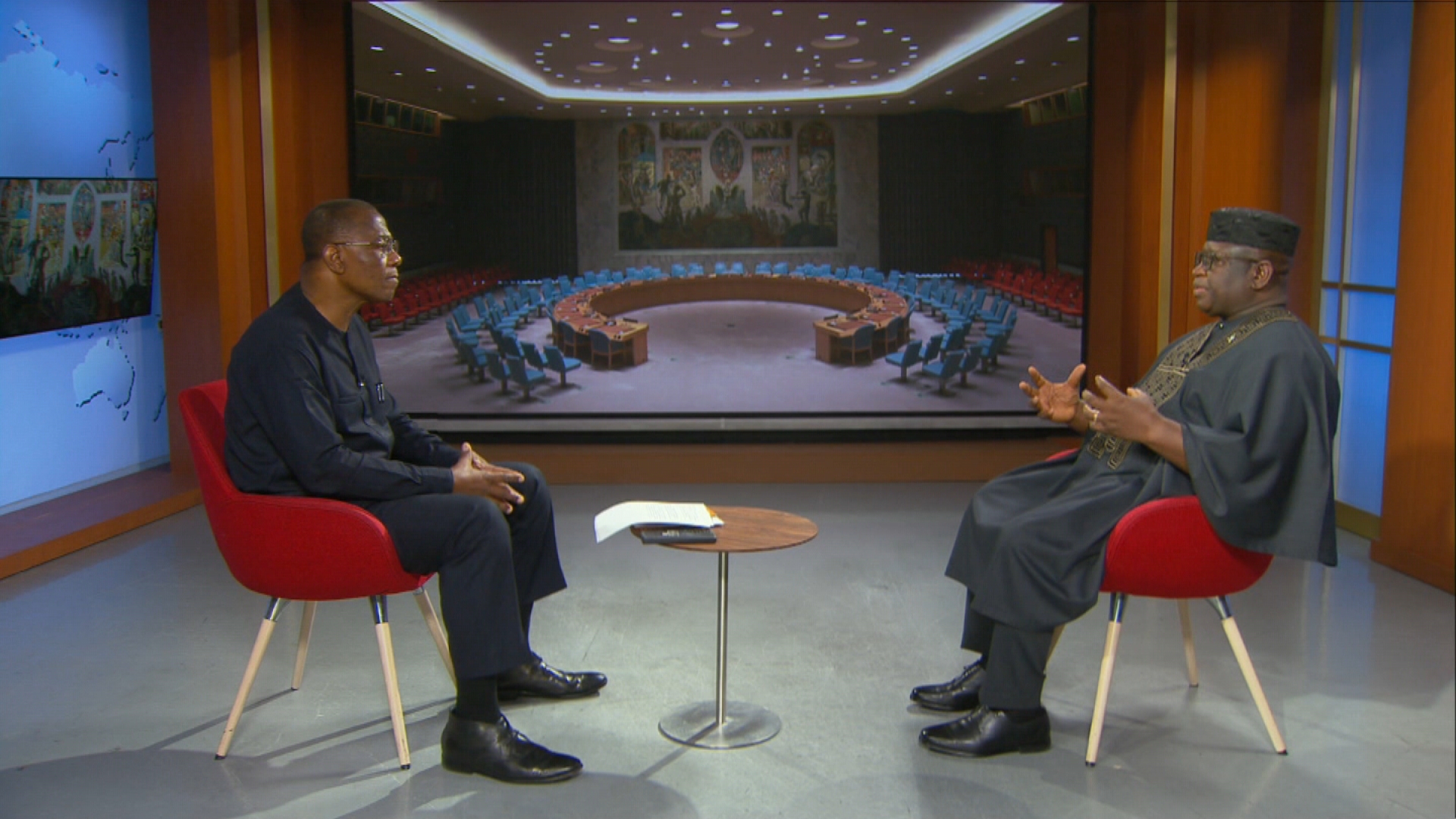
Peace consolidation in West Africa - Security Council, 10047th meeting
The Security Council today debated strengthening regional counter-terrorism cooperation in West Africa and the Sahel — now the global epicentre of violent extremism — with speakers urging unified, long-term strategies that confront both immediate threats and the underlying drivers of instability, from poverty and weak governance to climate shocks and limited economic opportunity. In recent years, three Sahel States — Burkina Faso, Mali and Niger — suspended their participation in the Economic Community of West African States (ECOWAS), citing political and security considerations. This departure has created a gap in regional coordination, complicating collective responses to escalating violent extremism across the Sahel.
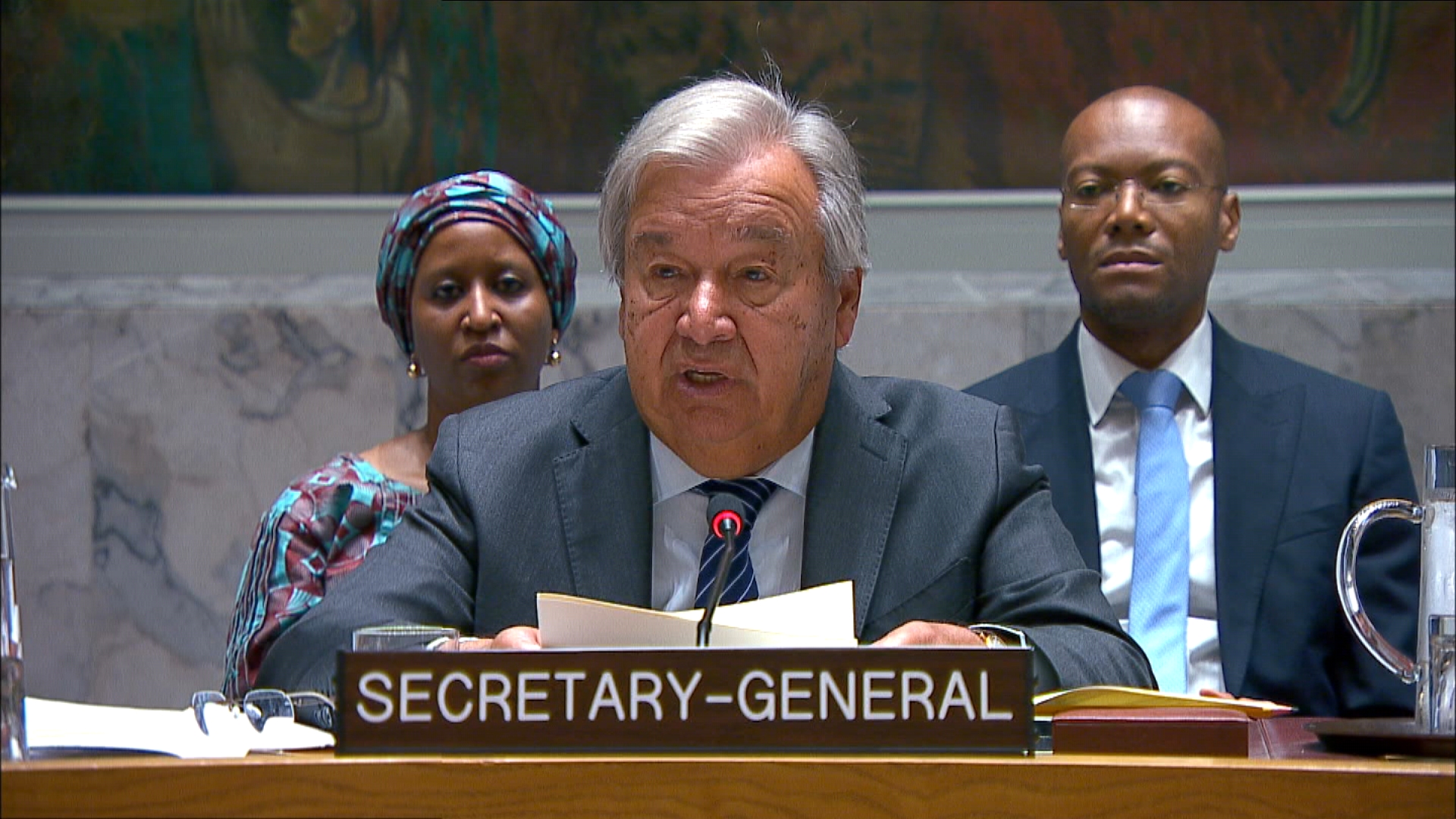
Addressing the Council, United Nations Secretary-General António Guterres warned that the security situation in West Africa and the Sahel is “growing more critical by the day”, citing escalating terrorist attacks, worsening fuel blockades in Mali and a looming “disastrous domino effect across the entire region”.
Armed groups, including Jama’at Nusrat al-Islam wal-Muslimin (JNIM), Islamic State in the Greater Sahara (ISGS), Islamic State West Africa Province (ISWAP), and Boko Haram, are expanding, driving mass displacement, shuttering over 14,800 schools and 900 health facilities, and leaving millions without essential services. Stressing that the Sahel accounts for over half of global terrorism casualties, he outlined three urgent actions.