Media Home
 UN Web TV
 UN Photo
General Assembly
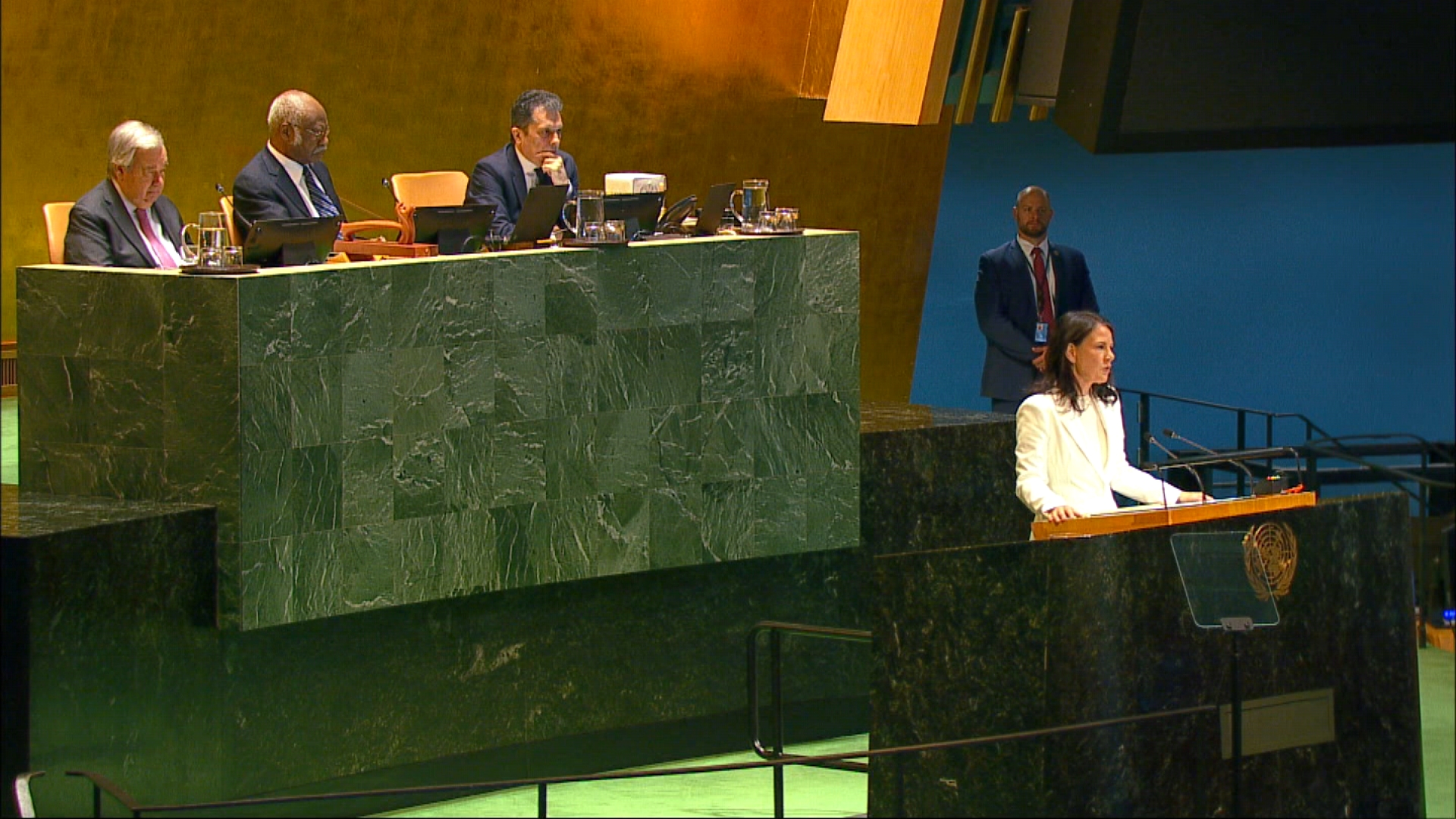
General Assembly: 50th plenary meeting, 80th session
With human trafficking rapidly expanding and growing more technologically sophisticated, the General Assembly today adopted a sweeping Political Declaration reaffirming global resolve to end what top UN officials call “one of humanity’s gravest crimes”.
Adopting the resolution titled “2025 Political Declaration on the Implementation of the United Nations Global Plan of Action to Combat Trafficking in Persons” (document A/80/L.8) — which contained the Declaration in its annex — the Assembly reiterated strong condemnation of trafficking in persons, which it said constitutes a serious crime and a grave offence to dignity.
The 193-member organ committed to intensifying efforts to eliminate the demand that fosters trafficking, especially of women and children. “Throughout history, humanity’s darkest impulse has been the exploitation of others for profit or power, and though societies have advanced, this impulse has not disappeared,” Assembly President Annalena Baerbock (Germany) told the Hall. This crime now appears under new names — human trafficking, sexual exploitation, forced labour, and child and forced marriage — and increasingly enabled by digital tools. “We are not talking about victims, we are talking about survivors — heroes — the strongest fighters for human rights,” she said.
Focusing on solutions, she stressed the need for strong, enforced and comprehensive legislation, especially as women and girls make up 61 per cent of victims, and forced labour now accounts for 42 per cent of cases while only “17 per cent of convictions” address it. “We cannot turn a blind eye,” she stressed. Safe migration pathways are essential, as migrant workers are “three times more likely to be exploited”, and recent responses to the Ukraine crisis showed how protection policies can reduce trafficking risks, she continued.
She urged Member States to also confront the “new digital frontier”, where traffickers use artificial intelligence (AI), encrypted platforms and deepfakes, and emphasized the need to tackle the causes of trafficking such as poverty and war. “Desperate people are faced with desperate choices, and vulnerable people are preyed upon,” she stressed.
Related Content
General Assembly: 49th plenary meeting, 80th session
General Assembly: 48th plenary meeting, 80th session
General Assembly: 34th plenary meeting, 80th session
High-level meeting to mark the twenty-sixth anniversary of the…
Germany - Minister for Foreign Affairs Addresses General Debate…