Media Home
 UN Web TV
 UN Audiovisual Library
 UN Photo
UN / TRIBUNALS
Download
There is no media available to download.
Share
STORY: UN / TRIBUNALS
SOURCE: UNTV
TRT: 2.10
RESTRICTIONS: NONE
LANGUAGE: ENGLISH/ FRENCH/ NATS
DATELINE: 6 DECEMBER 2010, NEW YORK CITY/ FILE
FILE – RECENT, NEW YORK CITY
1. Wide shot, exterior UN building
6 DECEMBER 2010, NEW YORK CITY
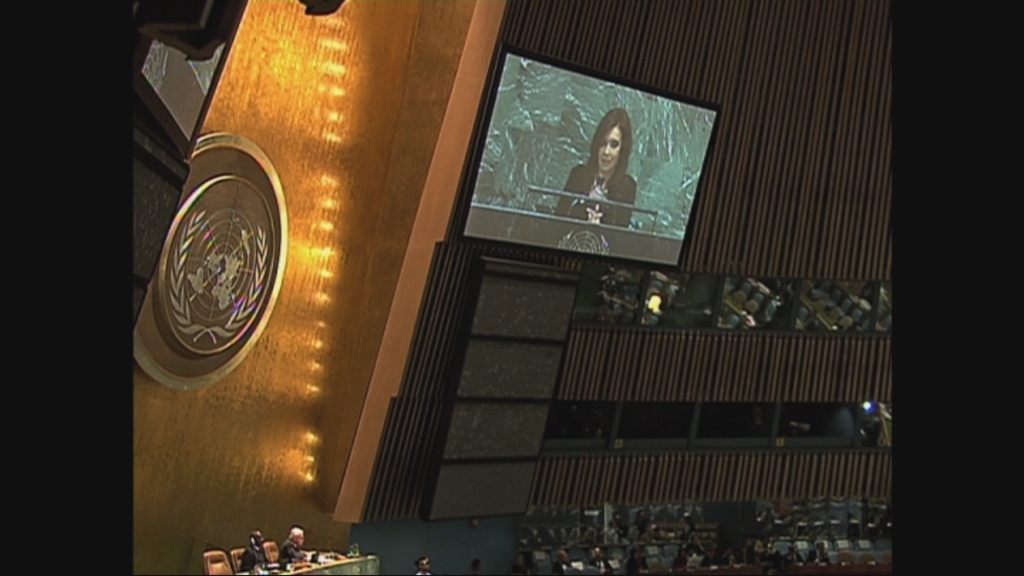
2. Zoom in, Security Council
3. Med shot, delegates
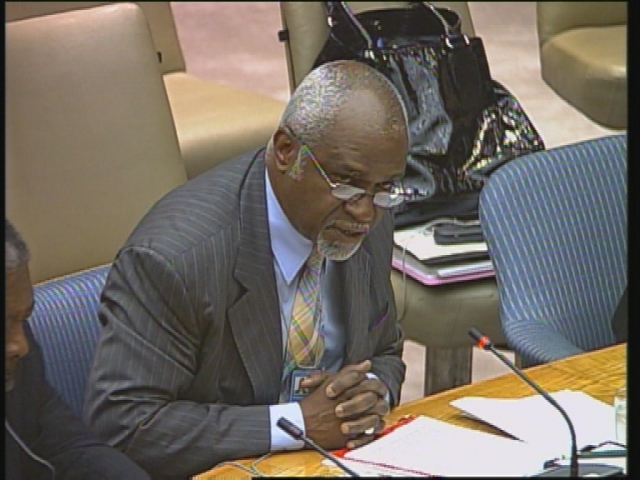
4. SOUNDBITE (English) Dennis Byron, President of the International Criminal Tribunal for Rwanda:
“These advances cannot be maintained if the present staff retention issue is not addressed. I want to highlight to this distinguished Council yet again, the very difficult staffing situation at the Tribunal, and the fact that this problem, if left unaddressed will lead to significant additional delays.”
5. Med shot, delegates
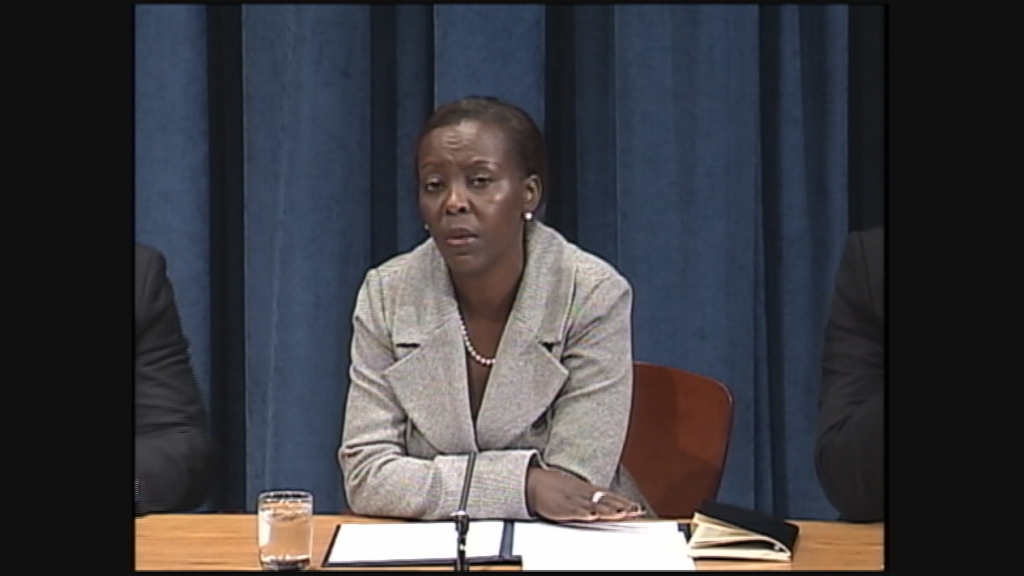
6. SOUNDBITE (French) Eugène-Richard Gasana, Permanent Representative or Rwanda to the United Nations:
“Rwanda thus demands that the Security Council enforces its power so that history will not repeat itself, and that those who collaborated with terrorist movements to destabilize the Great Lakes Region with impunity, while profiting from the protection, and even from the complicity of certain states, are arrested.”
7. Med shot, delegates
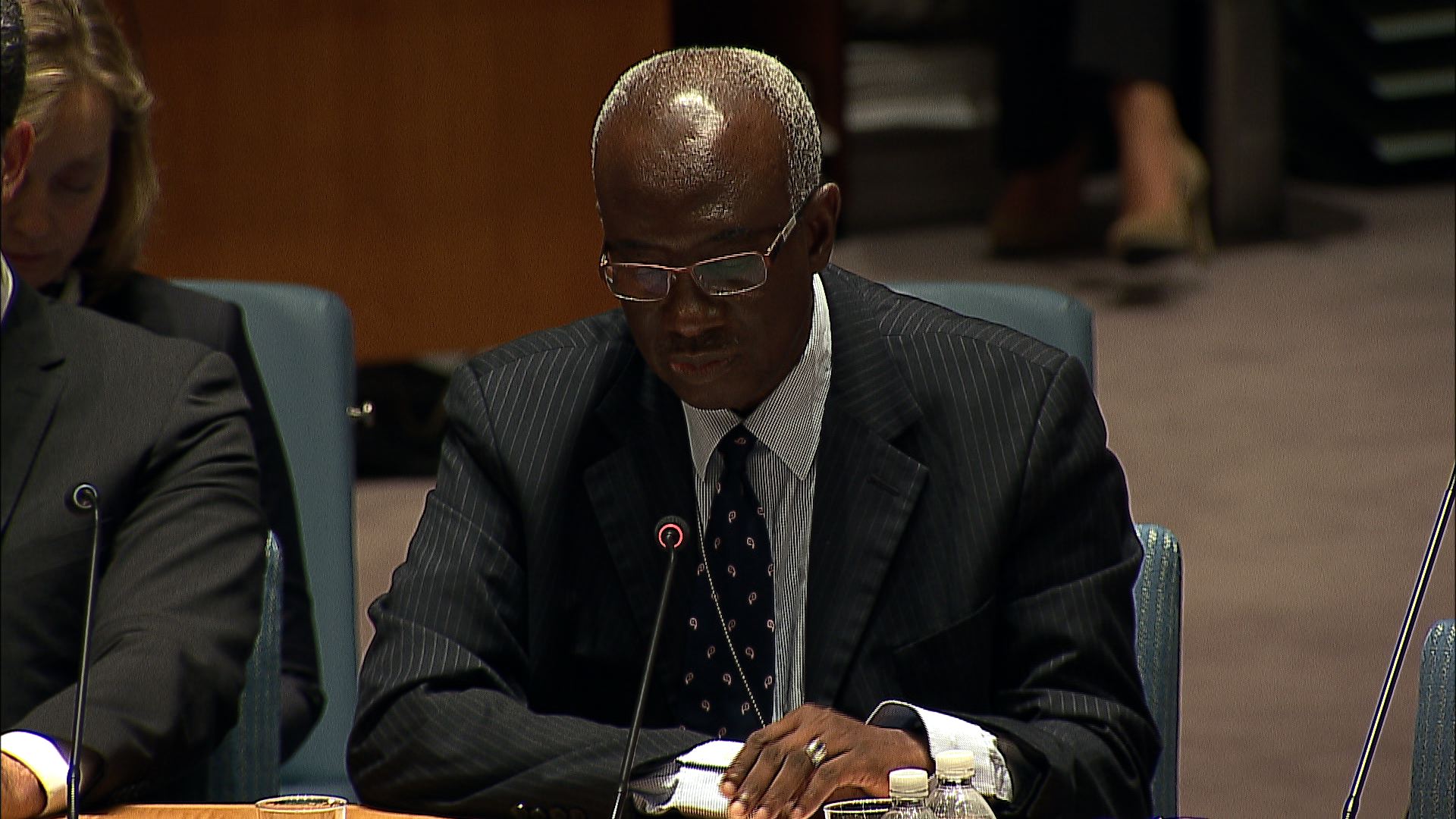
8. SOUNDBITE (English) Feodor Starčević, Permanent Representative of the Republic of Serbia to the United Nations:
“As far as the cooperation relating to the arrest of the two remaining fugitives is concerned, it is evident that there is a political will in Serbia to resolve this problem. It is expressed by the highest officials of the Republic of Serbia. We consider it very important that the prosecutor stated in his report that the prosecution maintained regular and close contact with the Serbian agencies in charge of locating and arresting the fugitives.”
9. Wide shot, Security Council
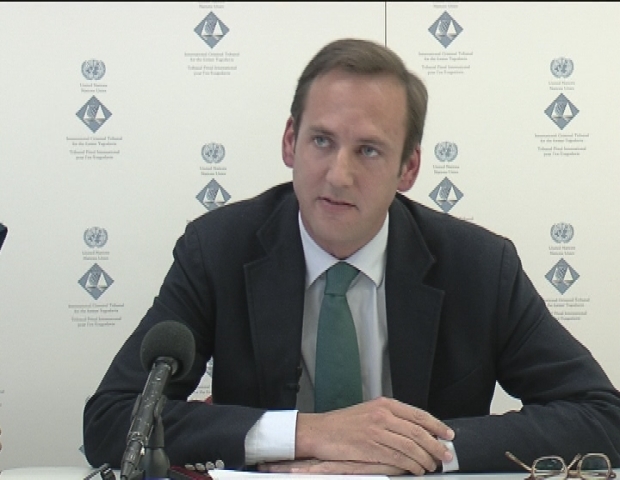
10. Wide shot, Brammertz, walks to the stakeout microphone
FILE – RECENT, NEW YORK CITY
11. Close up, reporter’s notepad
6 DECEMBER 2010, NEW YORK CITY
12. SOUNDBITE (English) Serge Brammertz, Prosecutor of the International Criminal Tribunal for Rwanda:
“We are absolutely convinced that the key to the arrest of the two fugitives is in Serbia, Serbia is the last place where he has been seen, in 2006, and this is our main hypothesis. Of course at the same time, we are always exploring information to other places where he could hide.”
FILE – RECENT, NEW YORK CITY
13. Close up, camera
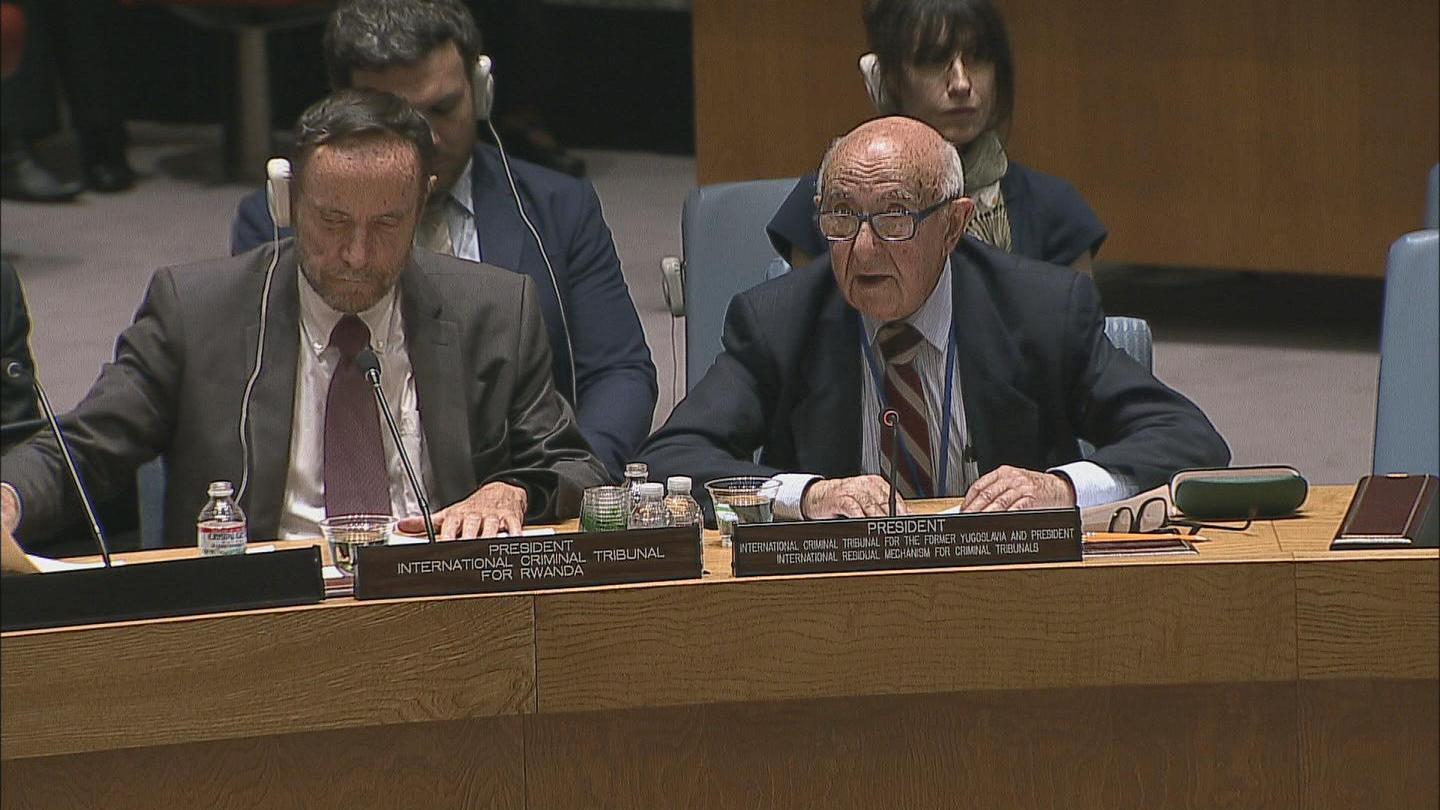
The Security Council today (6 December) held an open meeting to hear from the senior officials of the United Nations tribunals dealing with Rwanda and the former Yugoslavia as they prepare to complete their work.
Judge Dennis Byron, President of the International Criminal Tribunal for Rwanda (ICTR) told the Council that the Tribunal expects to complete its work, including appeals by the end of 2013.
He said that the Tribunal’s trial management initiatives have resulted in more expeditious trials, but added that “these advances cannot be maintained if the present staff retention issue is not addressed.”
Byron highlighted “the very difficult staffing situation” at the Tribunal, and the fact that the problem, if left unaddressed “will lead to significant additional delays.”
Byron stressed the importance of State cooperation, noting that ten fugitives wanted by the Tribunal, which was created in 1994 in the wake of the Rwandan genocide, still remain at large.
Rwandan Ambassador Eugène-Richard Gasana called on the Security Council to not allow history to “repeat itself” and asked that the remaining fugitives “profiting from the protection, and even from the complicity of certain states,” be brought to justice.
In a related development, the ICTR today convicted Ildephonse Hategekimana, a former Rwandan army officer, of genocide and crimes against humanity and sentenced him to life in prison. Charges against the accused included rape and murder of ethnic Tutsis, all committed in the Ngoma region during the 1994 Rwandan genocide.
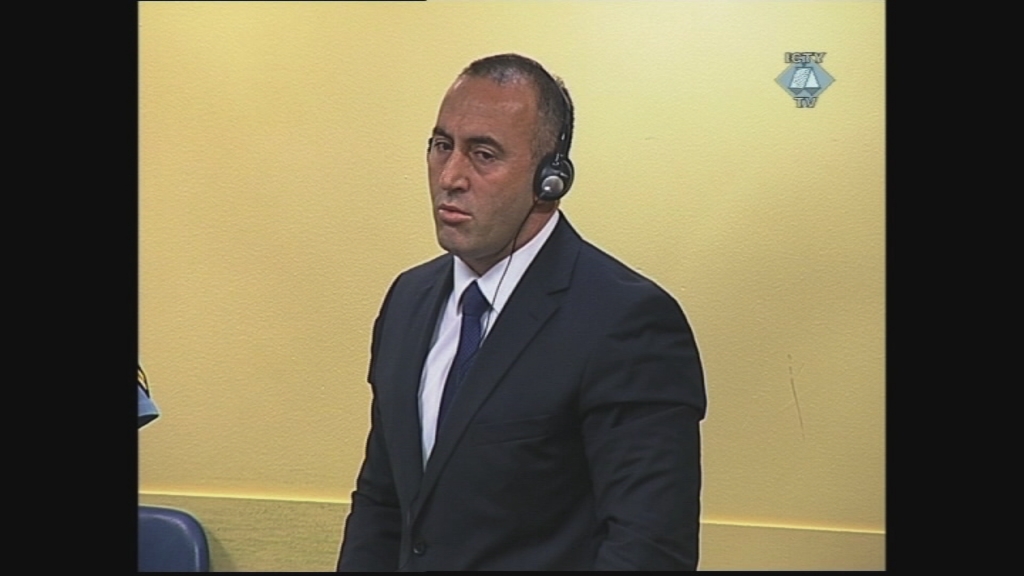
Turning the Council’s attention to the work of the Tribunal for the Former Yugoslavia (ICTY), Prosecutor Serge Brammertz underlined Serbia’s failure to capture the two remaining fugitives, Ratko Mladic and Goran Hadzic.
Serbian Ambassador Feodor Starčević told the Council that “it is evident that there is a political will in Serbia to resolve this problem” and pointed out that report of the Prosecutor states that “the prosecution maintained regular and close contact with the Serbian agencies in charge of locating and arresting the fugitives.”
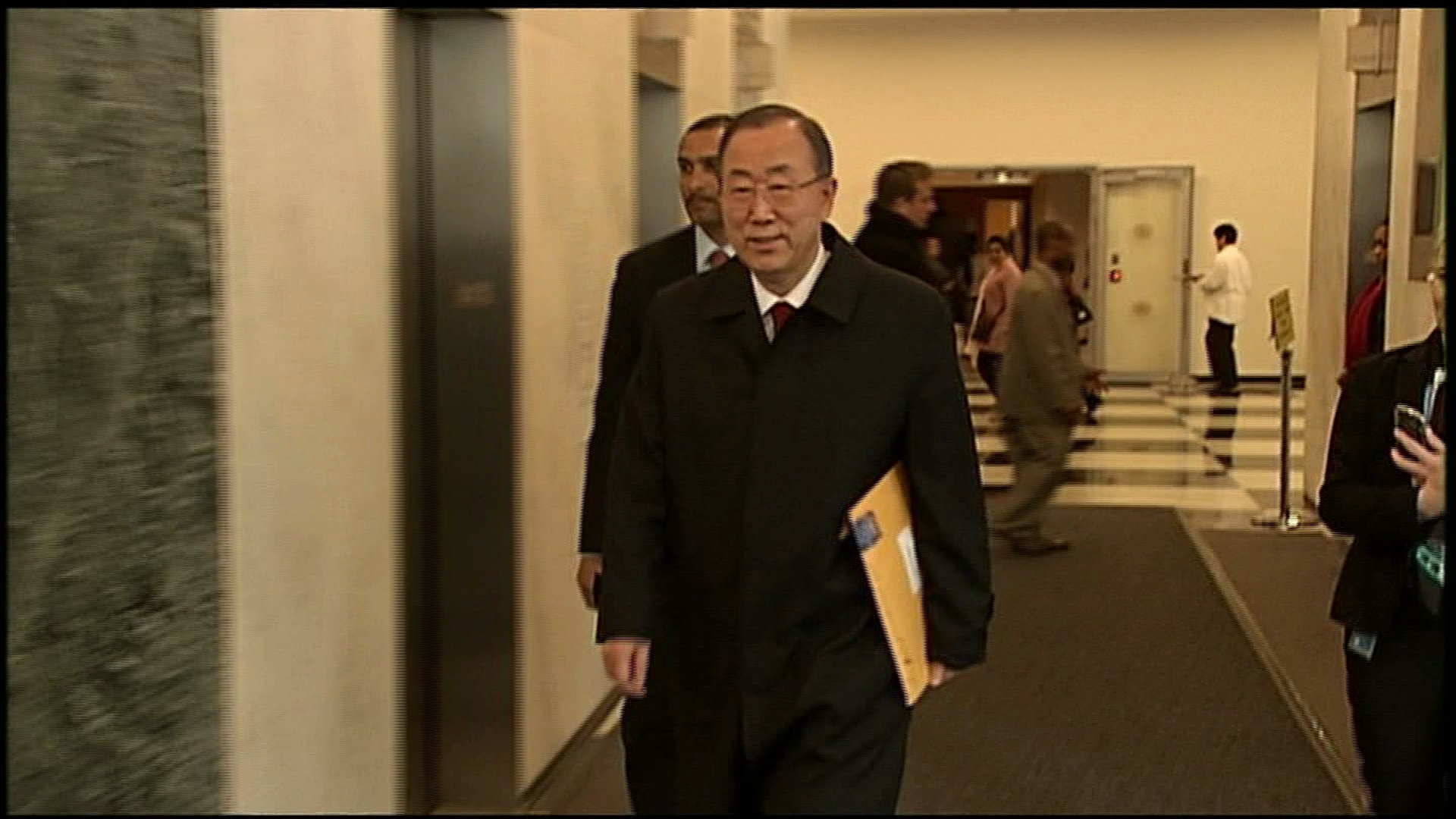
Outside the Council, Brammertz told reporters that the Tribunal is “absolutely convinced that the key to the arrest of the two fugitives is in Serbia.”
Since its inception 17 years ago, the Tribunal, which is based in The Hague, has indicted 161 persons for war crimes committed on the territory of the former Yugoslavia. The proceedings against 125 individuals have been completed. Only two indictees remain at large – Mladic and Hadžic.