Media Home
 UN Web TV
 UN Photo
UN / UNFPA KANEM INTERVIEW
STORY: UN / UNFPA KANEM INTERVIEW
TRT: 04:12
SOURCE: UNIFEED
RESTRICTIONS: NONE
LANGUAGE: ENGLISH / NATS
DATELINE: 07 JULY 2025, NEW YORK CITY / FILE
FILE - NEW YORK CITY
1. Wide shot, exterior UN Headquarters
07 JULY 2025, NEW YORK CITY
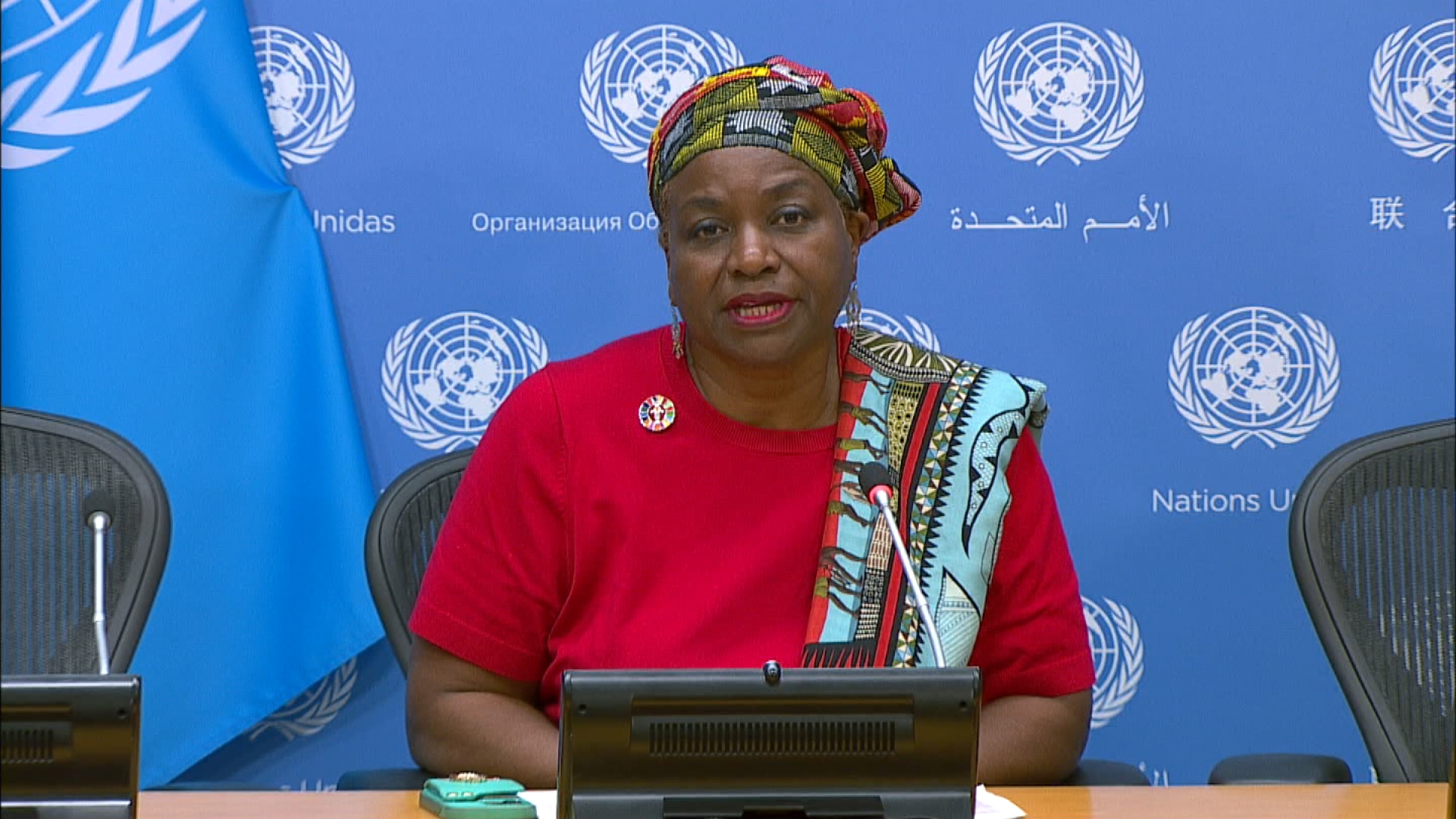
2. Wide shot, UNFPA Executive Director Natalia Kanem and interviewer Mita Hosali
3. SOUNDBITE (English) Natalia Kanem, Executive Director, United Nations Population Fund (UNFPA):
“UNFPA has upheld the rights and choices of women and girls, adolescent girls in particular, when it comes to sexual and reproductive health and rights.”
4. Wide shot, Kanem and Hosali
5. SOUNDBITE (English) Natalia Kanem, Executive Director, United Nations Population Fund (UNFPA):
“And I think we've also put our stamp on the idea that world population is a worthy subject of discussion, and the lens for that should be through the eyes of a ten-year-old-girl. She's entering teenagehood. Will she be able to stay in school, graduate and make her way through the world? Or is she going to be derailed by things like child marriage, or female genital mutilation or utter abject poverty? which is going to limit again her rights and choices.”
6. Wide shot, Kanem and Hosali
7. SOUNDBITE (English) Natalia Kanem, Executive Director, United Nations Population Fund (UNFPA):
“Our funding varies, especially the funding from the US, which has been a founding member of UNFPA. And when they are donating, they're a big donor. And when they step back, we feel it. So, I believe that we have been better prepared in the sense that our budgeting and our diversification of funding has been extraordinary in recent years. UNFPA has more money than we've ever had year on, year on year, during my tenure. Last year, 1.7 billion US dollars. But this is not something that we take for granted.”
8. Wide shot, Kanem and Hosali
9. SOUNDBITE (English) Natalia Kanem, Executive Director, United Nations Population Fund (UNFPA):
“One of the wise things to do when our agenda comes under attack is to remind people that every life matters, and these funding cuts have devastating impact on women and girls who are always bearing the brunt of whatever it is, climate change, conflict, the migration of people. It's women and girls who are going to be losing their health care, who are going to be unable to safely walk to the school.”
10. Wide shot, Kanem and Hosali
11. SOUNDBITE (English) Natalia Kanem, Executive Director, United Nations Population Fund (UNFPA):
“When I think of the work that UNFPA and UNICEF, and so many others, UN Women, have been doing to quell child marriage, to quell female genital mutilation, and also to work decisively against gender-based violence, because a lot of teen pregnancy, etc. is not by choice. It's coercion. It's making a huge difference.”
12. Wide shot, Kanem and Hosali
13. SOUNDBITE (English) Natalia Kanem, Executive Director, United Nations Population Fund (UNFPA):
“When we asked women who wanted a child or 2 or 3 - we asked men too - why they were not able to have the family size that they wanted, they cited, most of them, economic factors, housing factors, as well as their doubts that with economic uncertainty they would be successful as parents. Earlier, we also, highlighted the fact that only half of the world's pregnancies are deliberately intended. So, nearly - you know - the other half were, quote unquote, accidental, sometimes happily so, but many times interrupting the plans of the life of that adolescent girl.”
14. Wide shot, Kanem and Hosali
15. SOUNDBITE (English) Natalia Kanem, Executive Director, United Nations Population Fund (UNFPA):
“We've been big proponents also - because, you know, we work on fertility and these are issues that touch home - of young people being able to self-advocate within the halls of the multilateral system. So, we do a lot of prep together with our youth ASG to make sure that their voices are considered and heard and that they're prepared. This thing about meaningful engagement of young people is really, really important.”
16. Wide shot, Kanem and Hosali
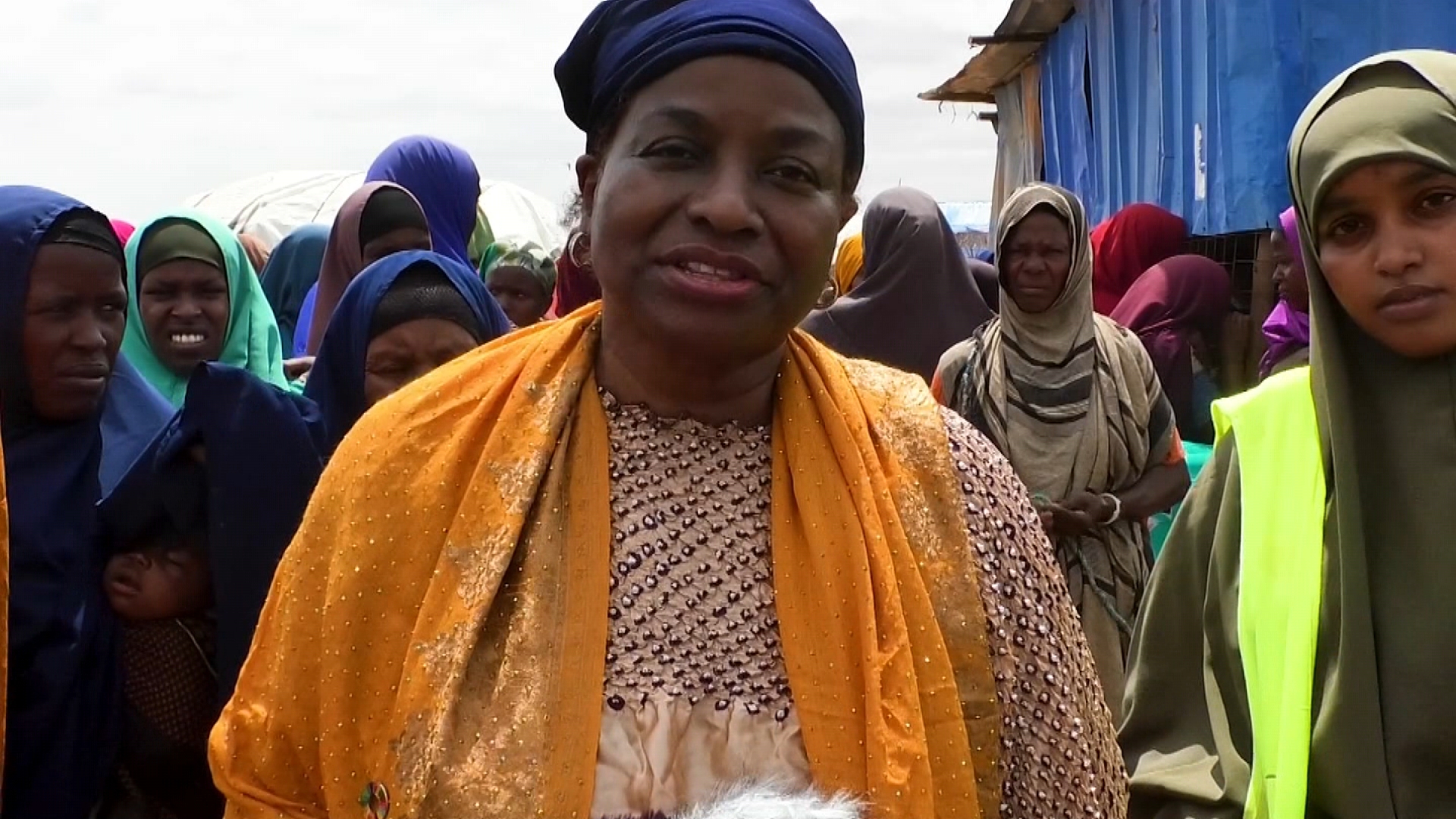
Reflecting on her eight-year tenure as Executive Director of the UN Population Fund (UNFPA), Dr. Natalia Kanem highlighted “the idea that world population is a worthy subject of discussion,” and that “the lens for that should be through the eyes of a ten-year-old-girl.”
In an interview with Deputy Director in the Department of Global Communications (DGC) Mita Hosali, she said that as this ten-year-old-girl is entering her teenage years, “will she be able to stay in school, graduate and make her way through the world? Or is she going to be derailed by things like child marriage, or female genital mutilation or utter abject poverty? which is going to limit again her rights and choices.”
Kanem, who is stepping down from her post this month ahead of schedule, said, “UNFPA has upheld the rights and choices of women and girls, adolescent girls in particular, when it comes to sexual and reproductive health and rights.”
Asked about the financial challenges the United Nations and specialized agencies are facing, she said, “our funding varies, especially the funding from the US, which has been a founding member of UNFPA. And when they are donating, they're a big donor. And when they step back, we feel it.”
The UN reproductive-health agency Chief said, “we have been better prepared in the sense that our budgeting and our diversification of funding has been extraordinary in recent years. UNFPA has more money than we've ever had year on, year on year, during my tenure. Last year, 1.7 billion US dollars. But this is not something that we take for granted.”
She said, “one of the wise things to do when our agenda comes under attack is to remind people that every life matters, and these funding cuts have devastating impact on women and girls who are always bearing the brunt of whatever it is, climate change, conflict, the migration of people. It's women and girls who are going to be losing their health care, who are going to be unable to safely walk to the school.”
Kanem highlighted the work of UNFPA, UNICEF, UN Women, and others “have been doing to quell child marriage, to quell female genital mutilation, and also to work decisively against gender-based violence.”
She noted that UNFPA has invested heavily in supporting national censuses and building dashboards to help lawmakers shape reproductive health policy with real-time insight.
Kanem said, “when we asked women who wanted a child or 2 or 3 - we asked men too - why they were not able to have the family size that they wanted, they cited, most of them, economic factors, housing factors, as well as their doubts that with economic uncertainty they would be successful as parents. Earlier, we also, highlighted the fact that only half of the world's pregnancies are deliberately intended. So, nearly - you know - the other half were, quote unquote, accidental, sometimes happily so, but many times interrupting the plans of the life of that adolescent girl.”
On the involvement of young people in shaping policy, she said, “we've been big proponents also - because, you know, we work on fertility and these are issues that touch home - of young people being able to self-advocate within the halls of the multilateral system. So, we do a lot of prep together with our youth ASG to make sure that their voices are considered and heard and that they're prepared. This thing about meaningful engagement of young people is really, really important.”
Born in Panama and trained as a medical doctor, Kanem joined UNFPA in 2014 after a career in philanthropy.
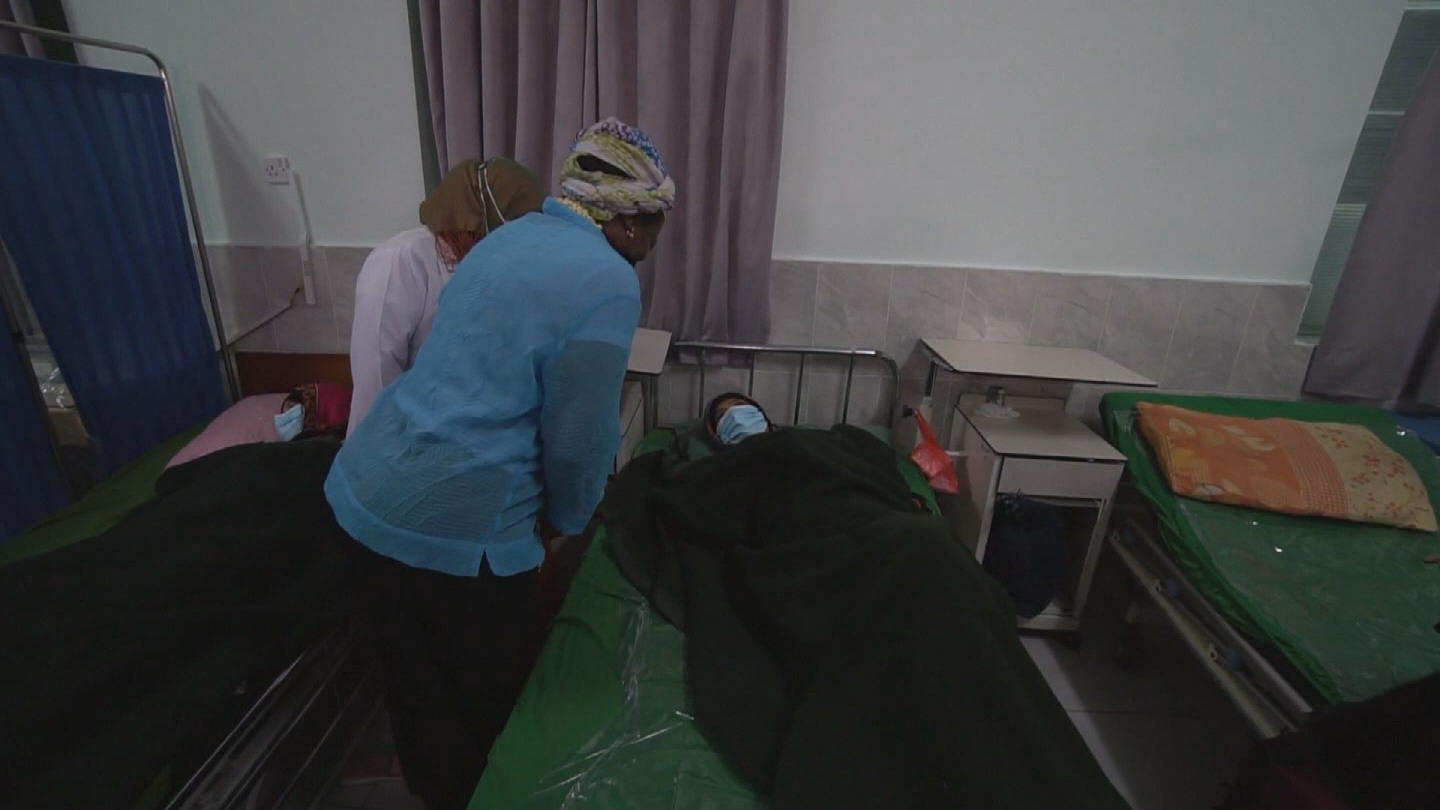
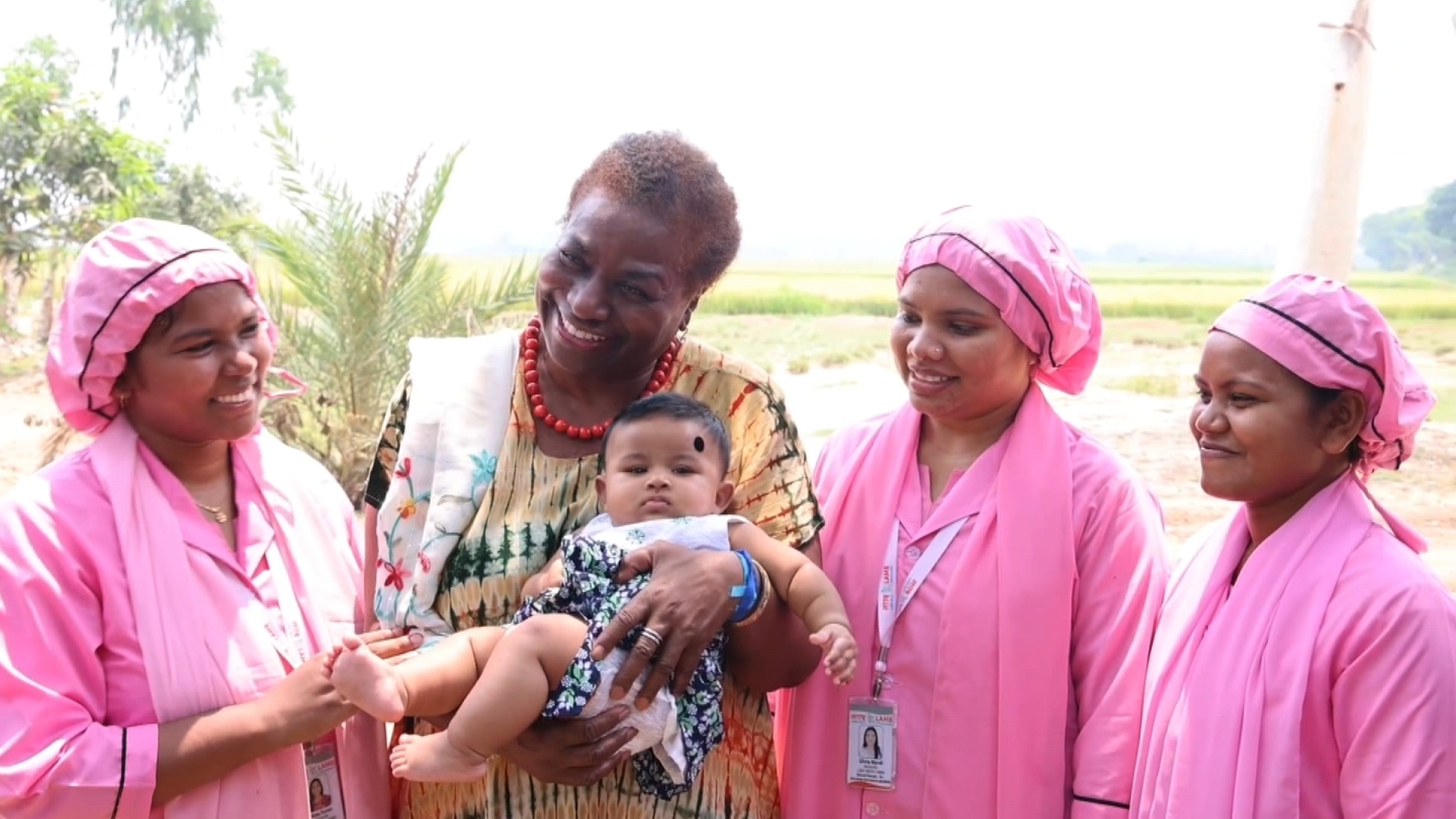
Under her leadership, the agency trained hundreds of thousands of midwives, distributed billions of contraceptives, and expanded humanitarian operations to reach women and girls in the most fragile settings – from the Rohingya camps in Cox’s Bazar to war-scarred Ukraine, and cholera-stricken Haiti.
Download
There is no media available to download.