Media Home
 UN Web TV
 UN Audiovisual Library
 UN Photo
UN / RETHINKING GENOCIDE PREVENTION
STORY: UN / RETHINKING GENOCIDE PREVENTION
TRT: 03:42
SOURCE: UN VIDEO
RESTRITIONS : NONE
LANGUAGE : ENGLISH / NATS
DATELINE : FILE
FILE FOOTAGE FROM UKRAINE, SUDAN, GAZA, DEMOCRATIC REPUBLIC OF THE CONGO, MYANMAR, THE HAGUE
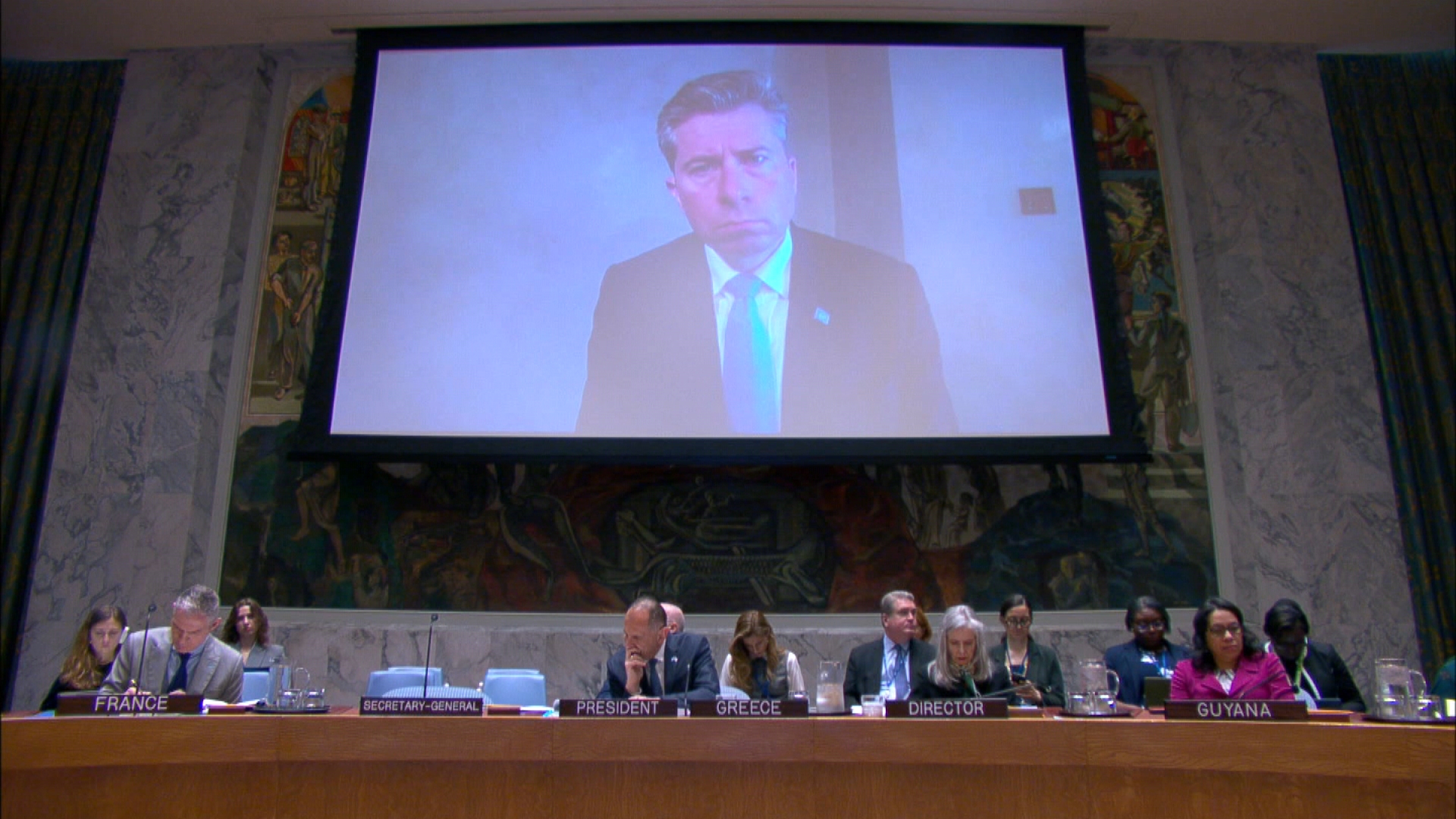
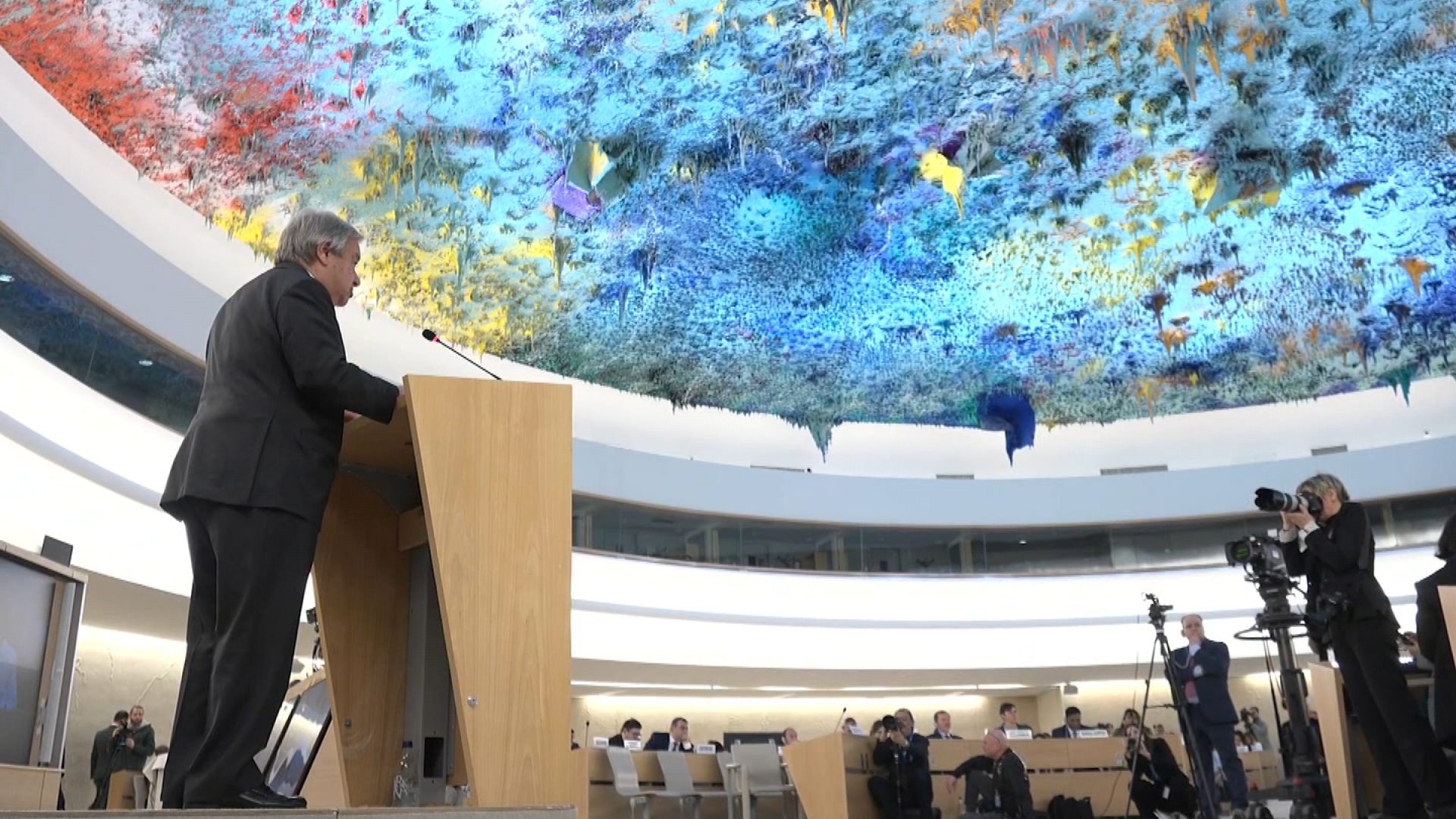
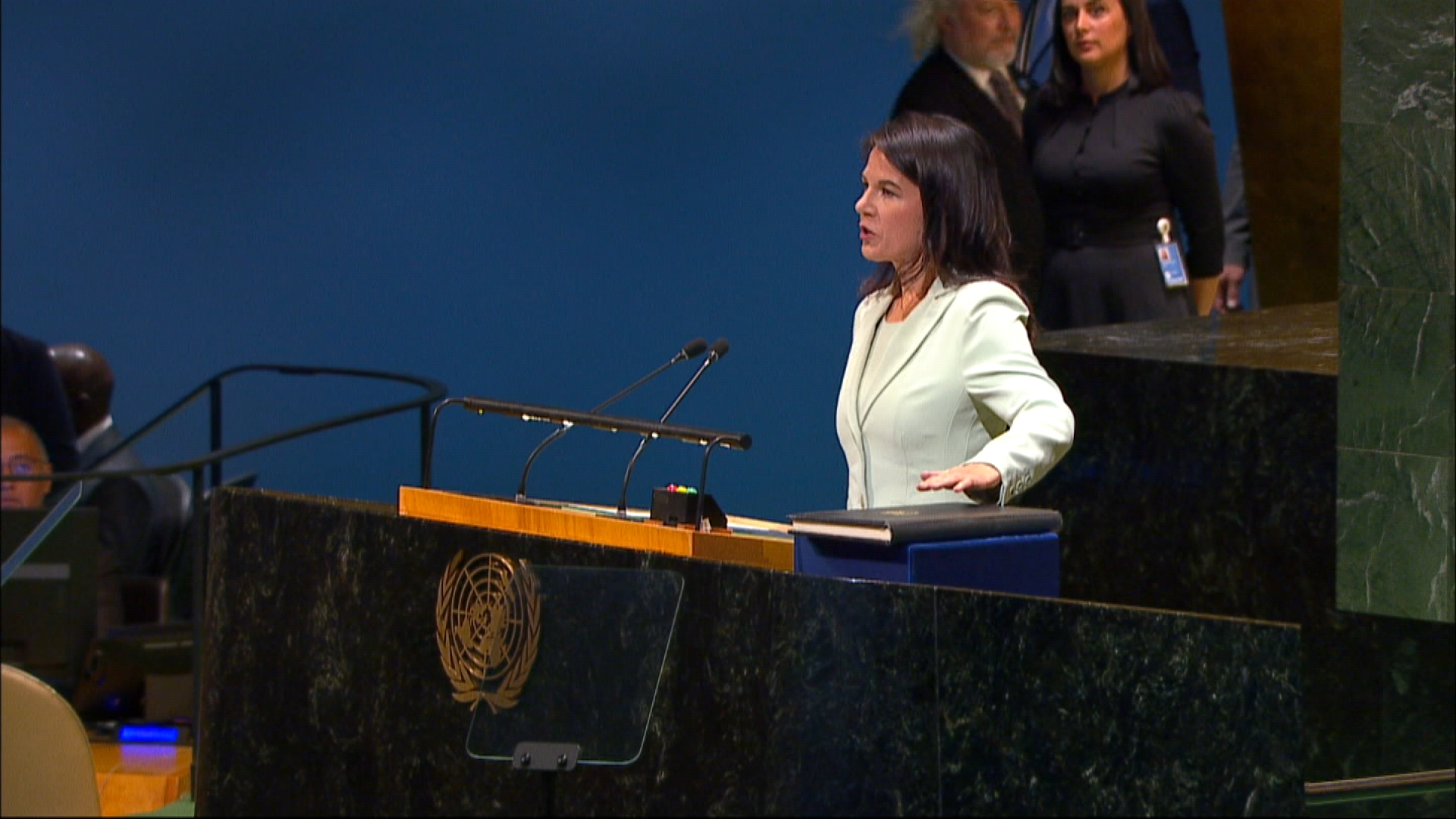
The United Nations’ newly appointed Special Adviser on the Prevention of Genocide issues a stark warning that the world is witnessing an alarming erosion of respect for international law, with conflicts increasingly targeting civilians and heightening the risk of atrocity crimes.
Mr. Chaloka Beyani of Zambia was appointed Special Adviser of the Secretary-General for the Prevention of Genocide at the Under- Secretary-General level in August 2025.
Despite the gravity of his mandate, the Special Adviser remains focused on diplomacy and prevention over public condemnation.
Disrespect for international law, as well as the norms that govern conduct during armed conflict means that the risk of atrocities and the actual happening of atrocities is very, very high.
[footage of international conflict zones, including Sudan, Ukraine and Gaza]
The one thing that you want to do in the context of dealing with atrocities is to make aware of those who are participating in conflict that they're being watched and monitored and that there are discussions that are taking place, about prevention and about accountability.
[footage from Ukraine in early 2022]
And when that message gets to them, then, of course, they become cautious. But if there's just silence and silence, that's a driver of impunity.
The Convention on the Prevention of Genocide, 1948, is quite clear on what constitutes a genocide. And the role of the Office is actually not to determine genocide as such; it is to prevent it.
[footage of international conflict zones, including Sudan and Ukraine]
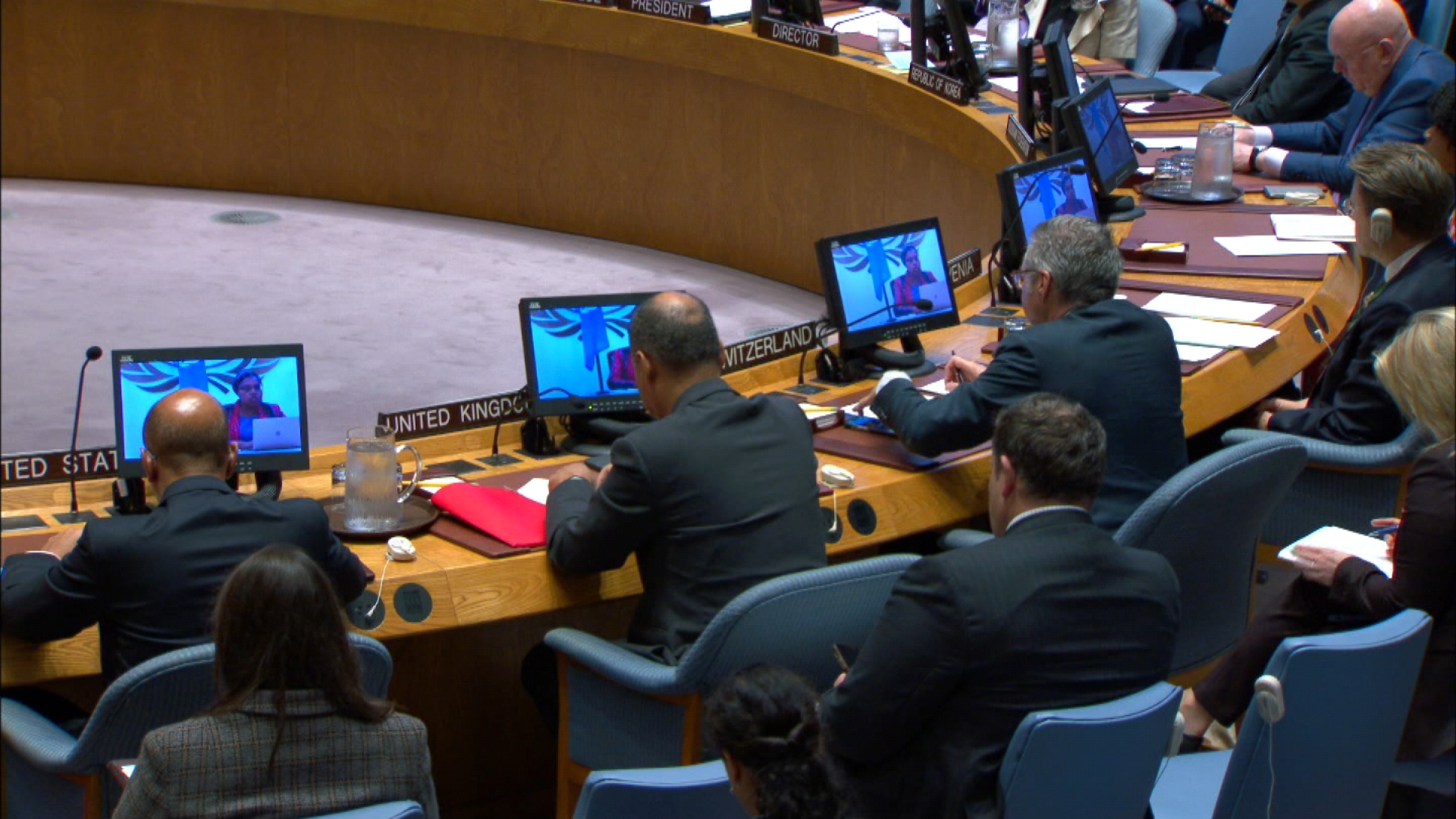
The first issue is early warning that this is happening. And we monitor that. We make our analysis. Once our office sounds the alarm, that alarm rings over and beyond the ordinary violations of human rights or of international humanitarian law, it indicates that the threshold is about to be crossed and therefore there has to be early action taken. We recommend actions to the Secretary-General and through the UN system and to the Security Council.
[footage from Democratic Republic of the Congo and the International Criminal Court]
Accountability is a means of prevention as well. It deters further atrocities if those that are involved in committing atrocities are brought to account and people know that this is happening. One of the first cases dealt by the International Criminal Court was that of Lubanga from the Democratic Republic of the Congo, and it was about recruiting children into armed groups.
The moment Lubanga was convicted, all of the warlords in DRC said “we no longer recruit children” because they can see the consequences.
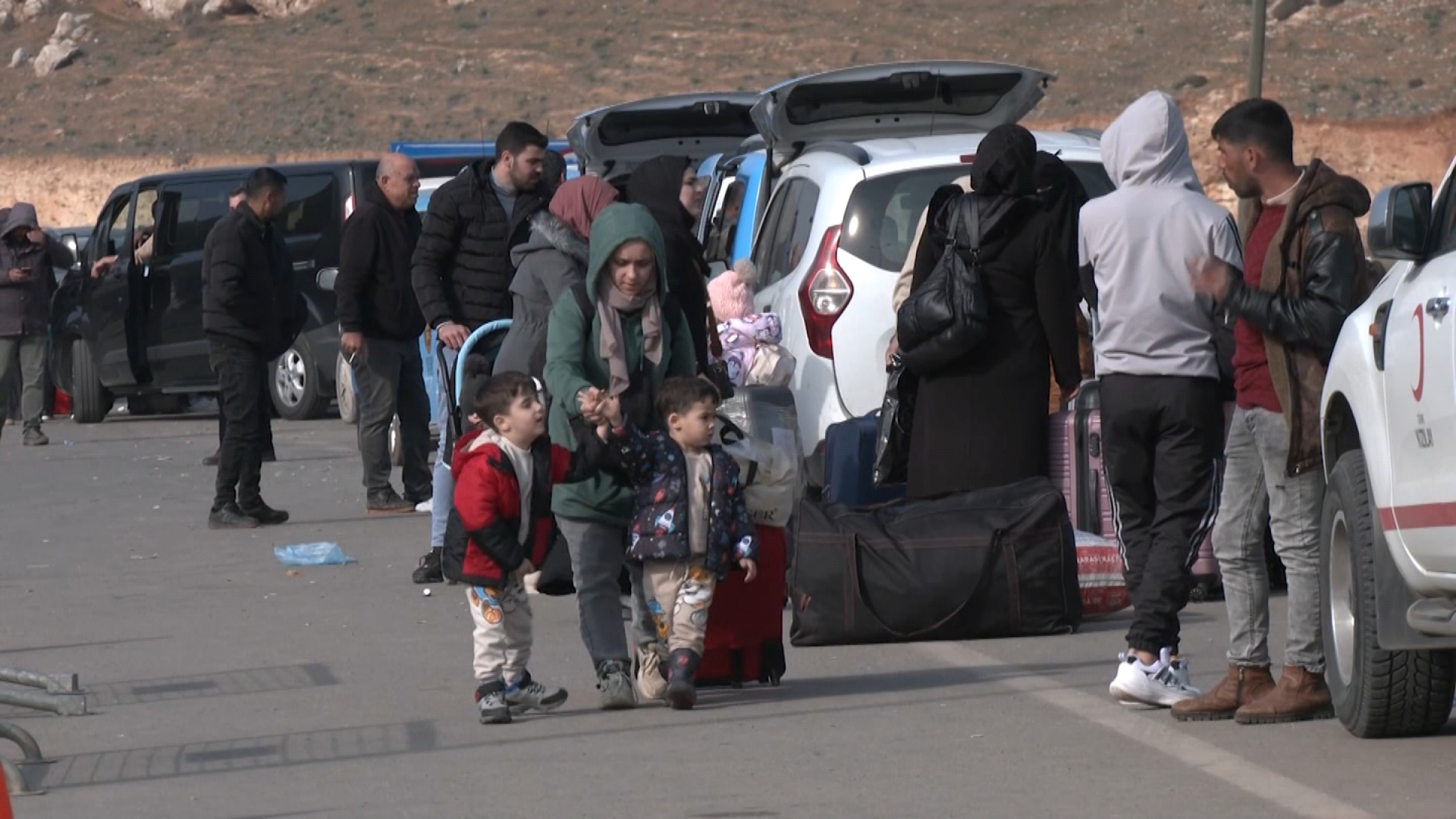
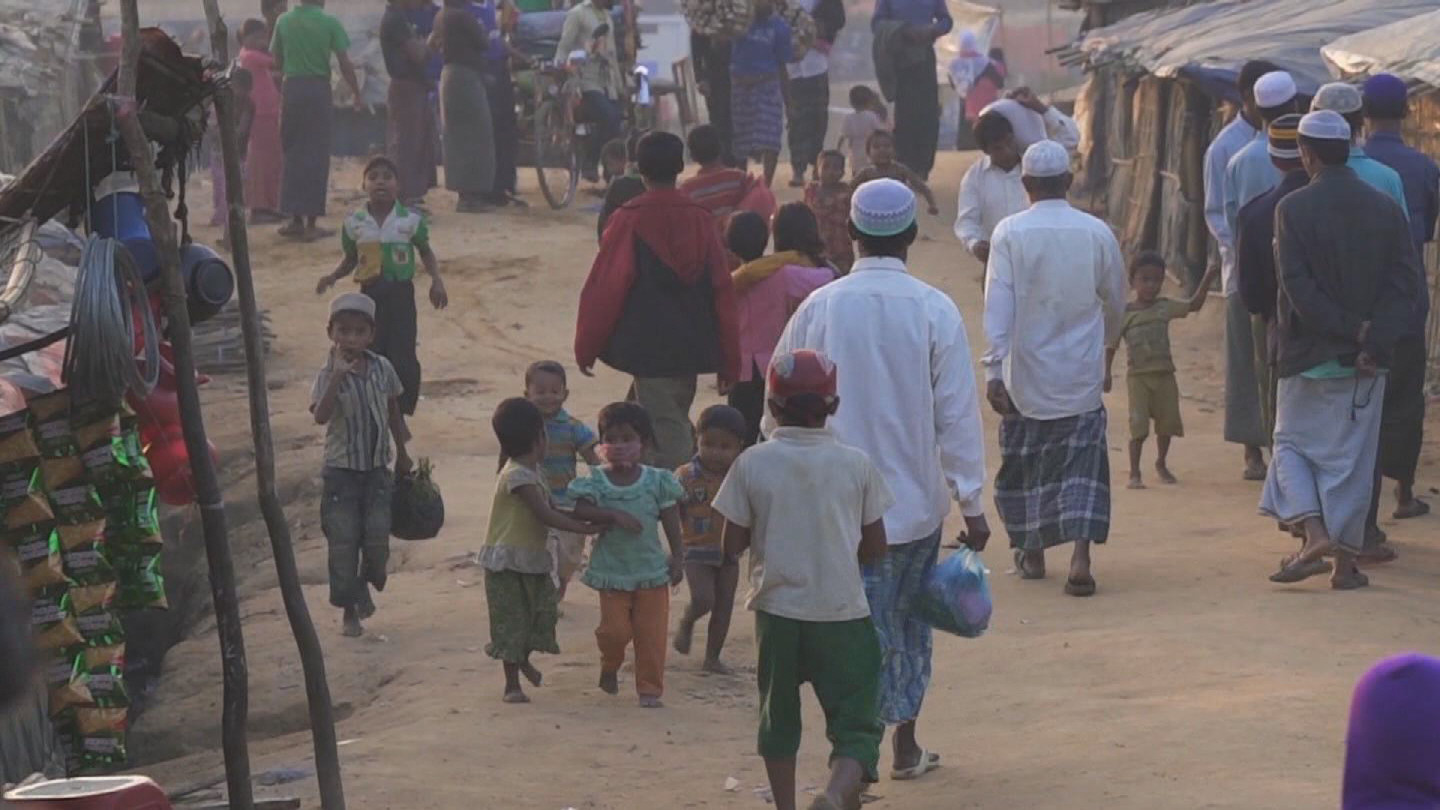
[footage of displaced people and camps in Sudan and Myanmar]
Then you also have scarce resources as a result of climate change. Famine conditions, rainfall. And then there's a scramble for resources. And because of that, you do find, for example, in the Sahel region in West Africa, the conflicts there are related to resources and climate change and movement and mobility of people. And that obviously brings about security issues. And I think it is right that the Security Council is examining this topic from that perspective.
[footage of international conflict zones, including Sudan, Ukraine and Gaza]
The UN as a whole, including my office, are guided on the basis that unless an international court determines that this is genocide, we will not call it genocide.
So the involvement of the Court, and the International Criminal Court is quite critical because if it makes that determination then it opens up the whole space for engaging in a different way.
Because then we know the legal characteristics of genocide and we can use those legal characteristics in our framework of analysis and application.
The risk factors will provide a trail of evidence in relation to who else is at risk.