Media Home
 UN Web TV
 UN Photo
UNFPA / HAITI MATERNITY HEALTH
STORY: UNFPA / HAITI MATERNITY HEALTH
TRT: 5:57
SOURCE: UNFPA
RESTRICTIONS: CREDIT UNFPA ON SCREEN
LANGUAGE: CREOLE / NATS
DATELINE: SEE SHOTLIST FOR DETAILS
16 MAY 2024, ELIAZAR GERMAIN HOSPITAL
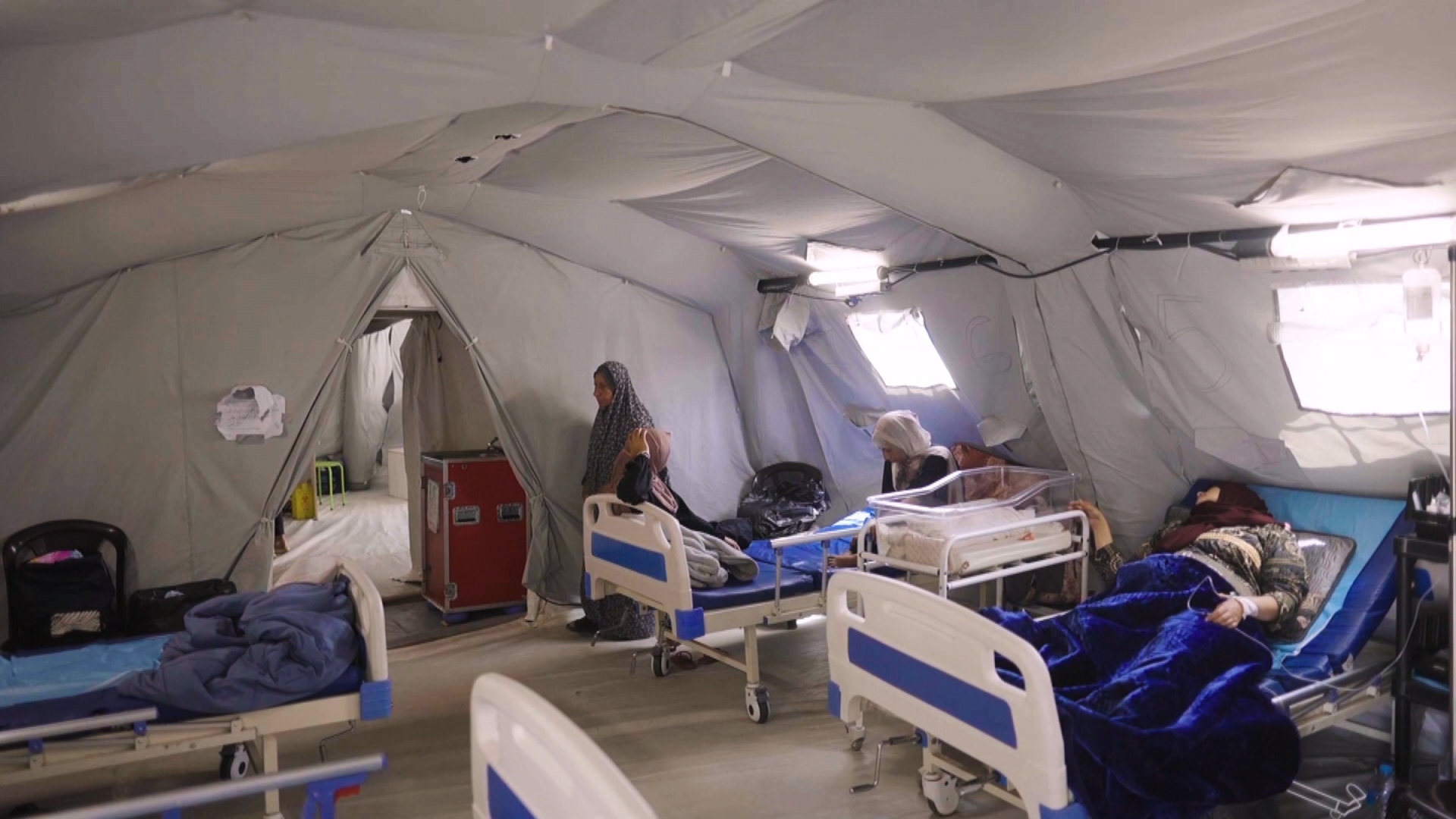
1. Wide shot, Jolanda Dimanch on a hospital bed with her newborn son next to her
2. Med shot, Jolanda and her son
3. Close up, hand
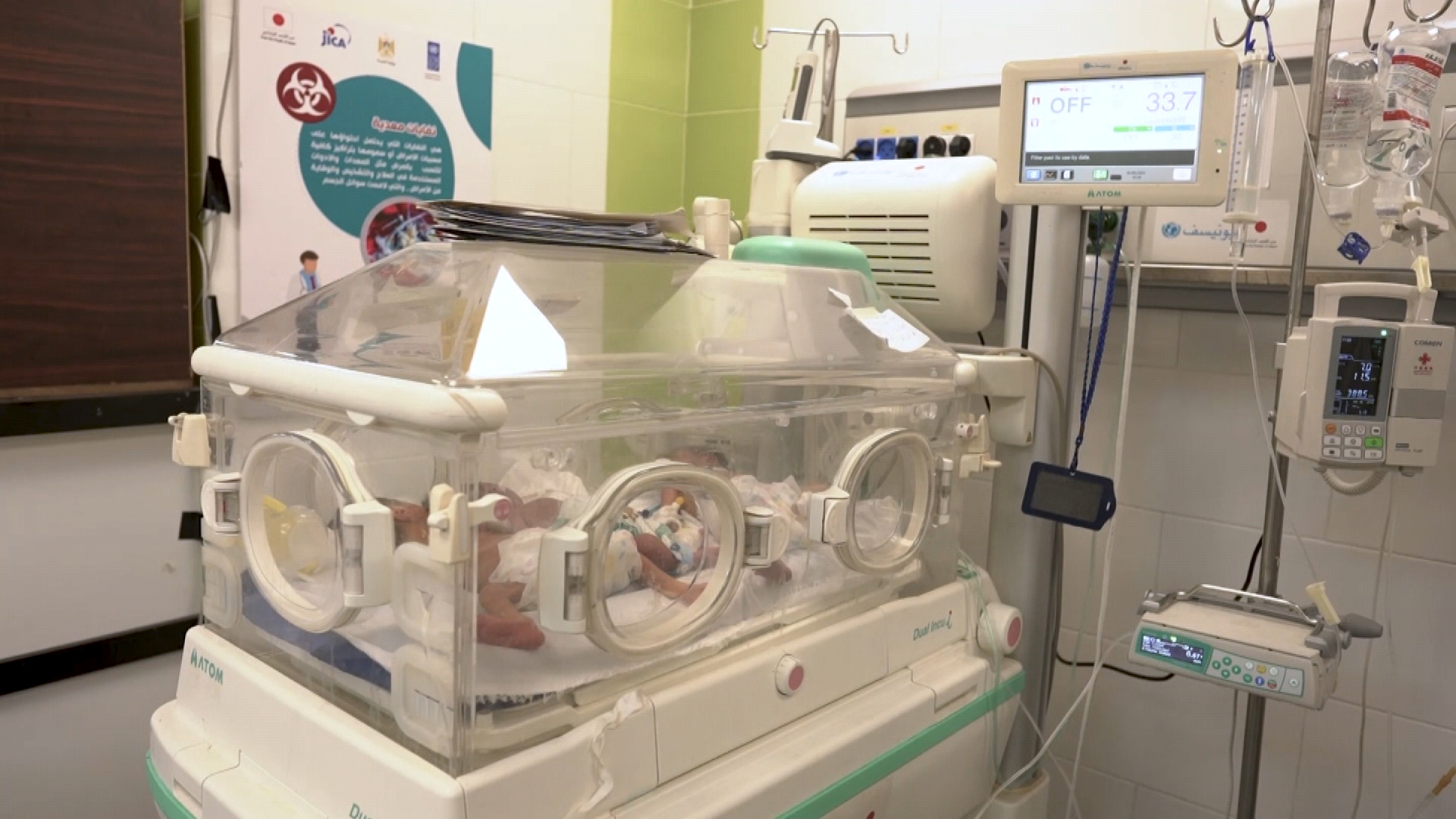
4. Med shot, Jolanda’s newborn son
5. Close up, Jolanda
6. SOUNDBITE (Creole) Jolanda Dimanche, 21, Internally Displaced Mother:
“This is my first child. He is two days old. I went into the delivery room at 6 a.m. The doctor did everything possible to help me deliver. From time to time, people checked on me to make sure everything was going well. Unfortunately, it didn't go as planned. They took me to the operating room [for a C-section]. Thankfully, the baby was born healthy.”
7. Close up, Jolanda’s newborn son
8. Wide shot, Jolanda holding her son
9. Med shot, Jolanda holding her son
10. Close up, Jolanda’s newborn son
11. Med shot, Jolanda and her son
12. SOUNDBITE (Creole) Jolanda Dimanche, 21, Internally Displaced Mother:
“After giving birth, I was really happy because this is my first child. However, I wasn't in great shape because of the Caesarean section. I did not feel well, but I am delighted to have my first child.”
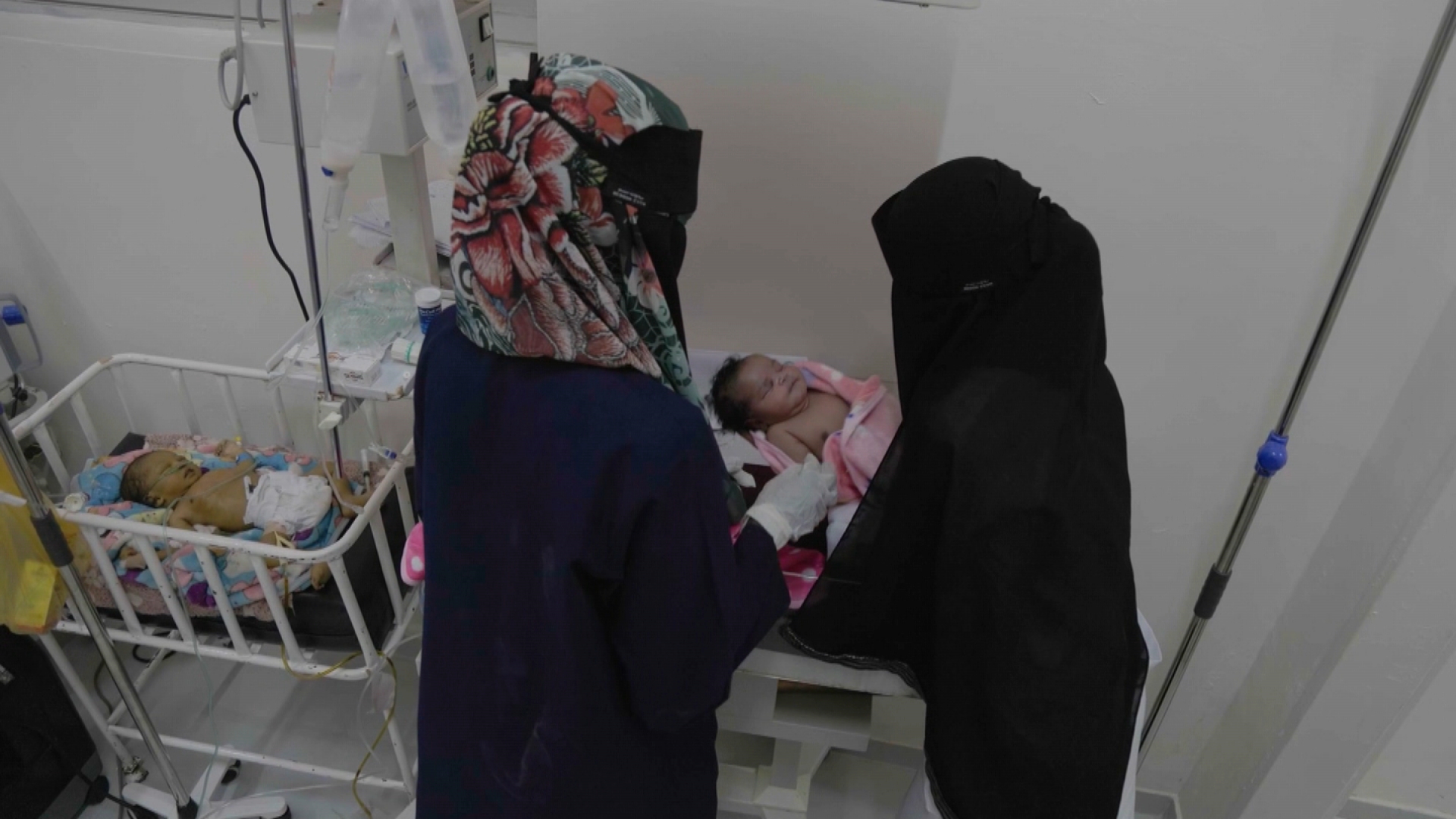
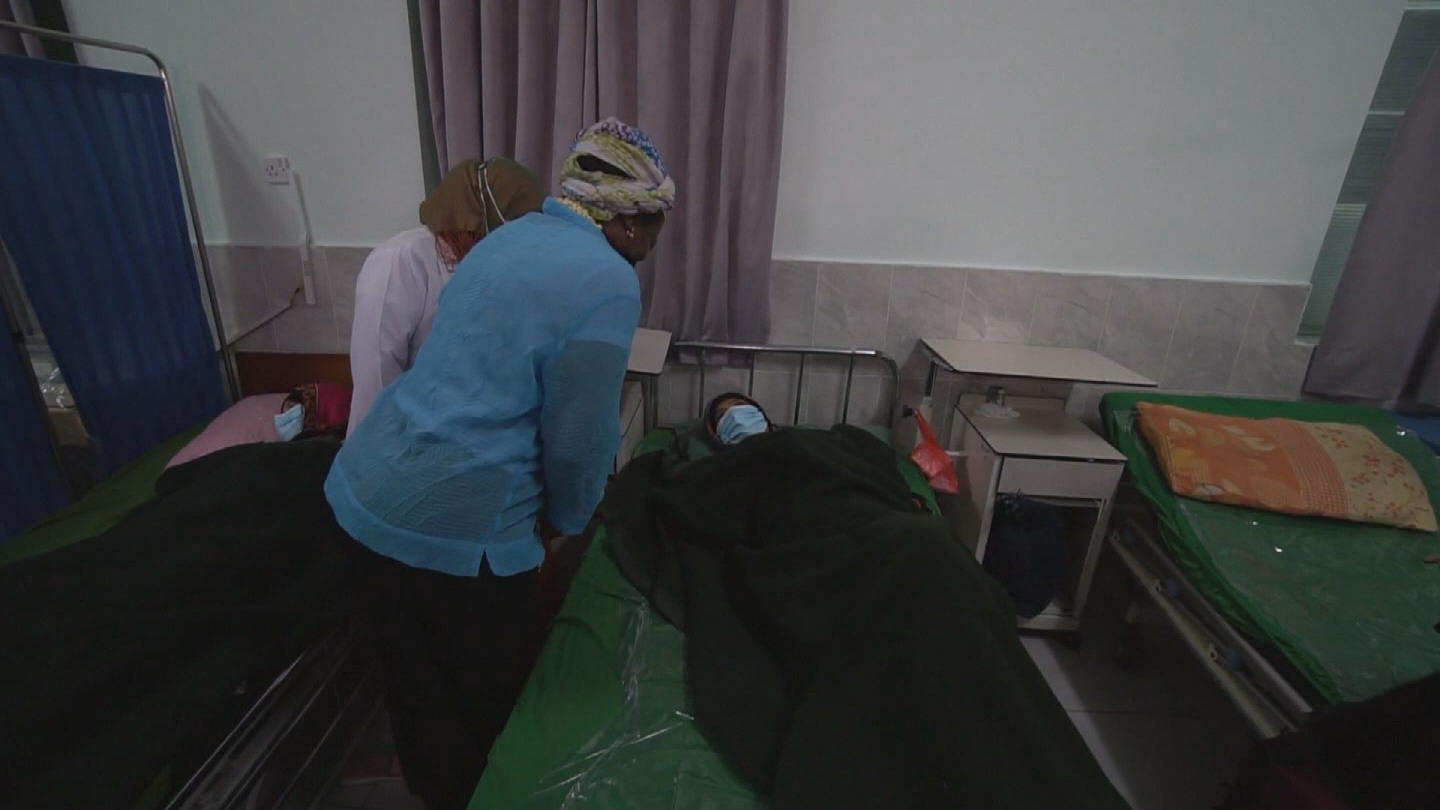
13. Wide shot, patients lying on hospital beds
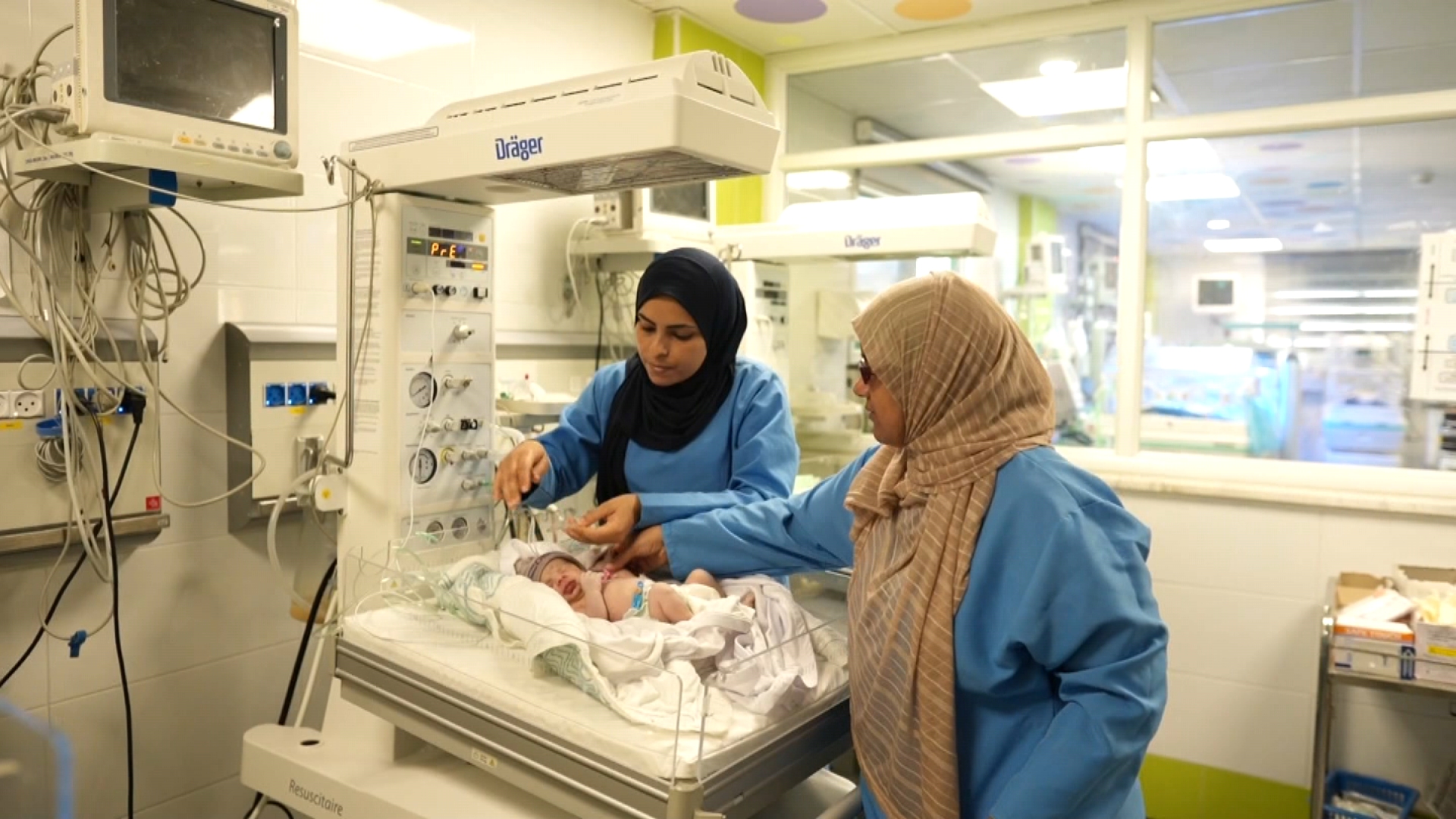
14. Med shot, hospital health workers
15. Med shot, a health worker
16. Med shot, a health worker writing
17. Wide shot, health workers
18. Med shot, UNFPA emergency reproductive health kits
19. Med shot, a health worker checking on a patient
20. Med shot, two health workers
21. Wide shot, exterior of the hospital
22. Med shot, exterior of the hospital
18 MAY 2024, JOSEPH BERNARD HIGH SCHOOL CAMP FOR INTERNALLY DISPLACED PEOPLE
23. Wide shot, people raising a Haitian national flag
24. Wide, people in line for the mobile clinic
25. Med shot, people in line for the mobile clinic
26. Med shot, outreach staff with people visiting the mobile clinic
27. Med shot, outreach staff with people visiting the mobile clinic
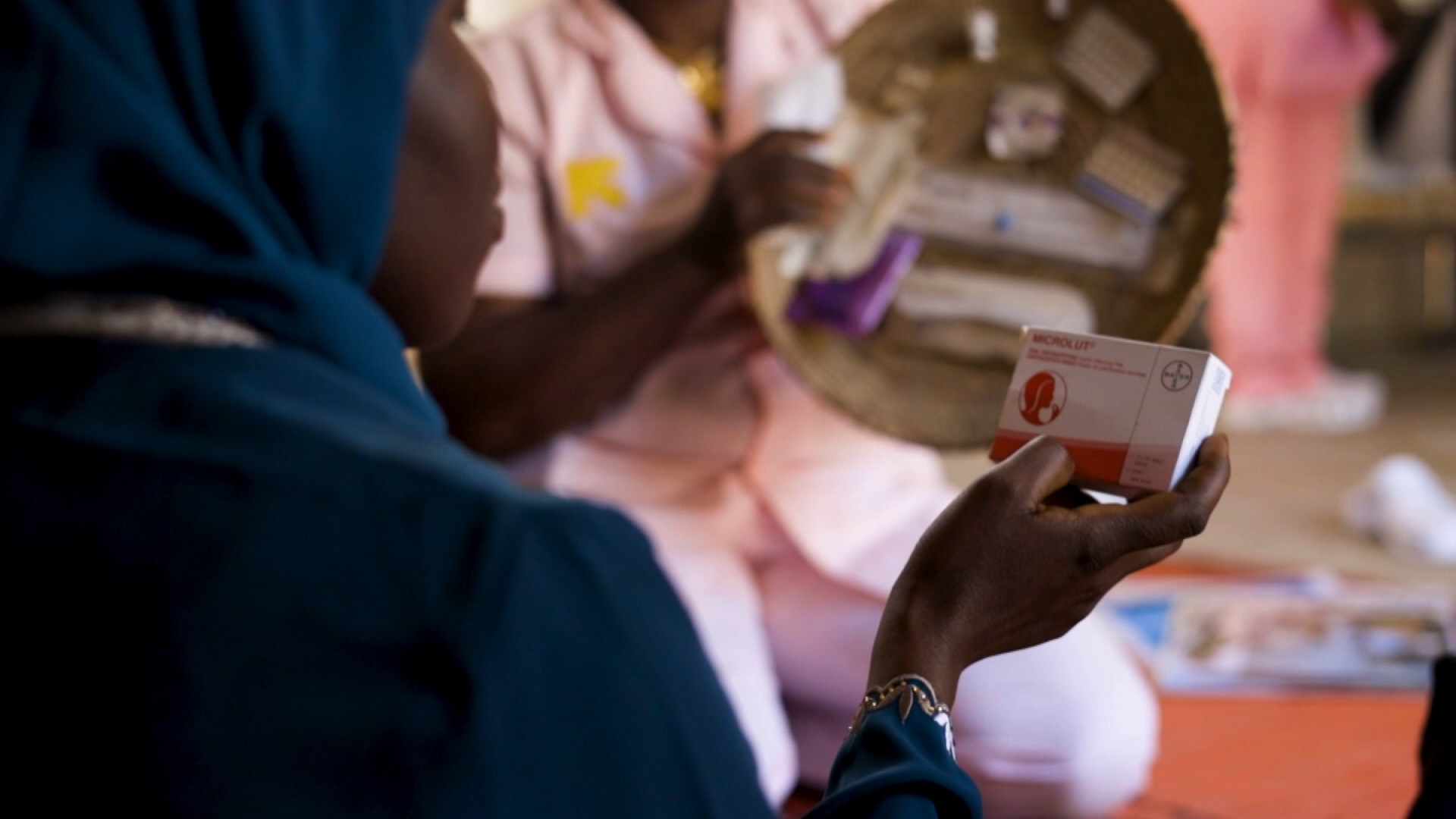
28. Med shot, medicines and people in line
29. Med shot, an outreach health worker with a patient
30. Med shot, an outreach health worker with Mariline Azard
31. Med shot, the health worker examining Mariline
32. Close up, Mariline Azard
33. SOUNDBITE (Creole) Mariline Azard, Internally Displaced Mother:
“I am in this camp because I had to flee my home. I live with my husband. I have two children, and my husband also has two children, so we have four children in total. One Tuesday, bandits began fighting in my neighbourhood. I was at home when the shooting started and wouldn't stop. It became unbearable, so I had to flee. Everyone was fleeing. The bandits were shooting and killing both women and men. People were leaving their homes to find shelter.”
34. Med shot, Mariline at the mobile clinic
35. Med shot, Mariline taking medicines
36. Wide shot, Mariline Azard
37. SOUNDBITE (Creole) Mariline Azard, Internally Displaced Mother: “Sometimes we can't fall asleep because we are constantly thinking about our situation, which stresses us out. We also sometimes have difficulty eating. But we're holding on. I am six months pregnant and needed to go to the hospital. Fortunately, we were given medicine there. This support is crucial for our health.”
38. Wide shot, Mariline walking towards the classroom she’s sheltering in
39. Med shot, Mariline in the classroom-turned-shelter
40. Close up, Mariline and her daughter
41. Med shot, Mariline and her daughter
42. SOUNDBITE (Creole) Mariline Azard, Internally Displaced Mother: “My dream is for the country to change so that I can return to a normal life and resume my previous activities. I have always been independent and do not wish to remain in this situation. I must free myself from the circumstances that have constrained me."
43. Wide shot, exterior of the school
Since the beginning of the year, the capital of Haiti, Port-au-Prince, has been in the grips of widespread gang violence. Urban areas have been turned into battlegrounds with 185,000 people forced from their homes. The majority of those who have been displaced are now living in makeshift sites in the capital with very limited access to basic services. Nine in ten displaced women say they have no access to health care, including prenatal care, reproductive health care and mental health services.
Giving birth was already risky before the current escalation in violence – Haiti has the highest maternal mortality rate in the western hemisphere. A staggering 950 women die every year from complications during pregnancy, childbirth and its aftermath. Today for the estimated 3,000 women who are pregnant in and around Port-au-Prince – and the 84,000 pregnant women across Haiti – limited access to maternal health care is making childbirth even more dangerous.
The security crisis has wreaked havoc on the health system. Hospitals and health centres have been looted and destroyed, including the State University Hospital, the largest public hospital in the country. Only one in five facilities remain operational and these are often inaccessible due to the violence. Many of them have critical shortages of medicines and staff. Around 40 percent of Haiti's medical personnel have left the country due to the insecurity.
The spiralling gang violence has also brought with it a surge in hunger which poses devastating threats to pregnant and breastfeeding women and their young offspring – who count among the groups most vulnerable to malnutrition. Around five million people – about half of the population – are facing acute hunger.
With partners, UNFPA is reaching communities with critical reproductive health services and aid. Essential supplies and equipment for emergency obstetric care and the clinical management of rape have been delivered to health facilities and hospitals that remain open in Port-au-Prince, as well as in the West and South Departments and Artibonite. This includes medicines to prevent women haemorrhaging after birth. In June, close to 260 births were assisted at 13-UNFPA supported facilities, including 75 caesarean sections. Mobile health teams continue to travel to displacement sites to provide reproductive health services to displaced women and girls; and to distribute basic hygiene items and supplies for newborns.
Despite soaring needs, UNFPA’s US$28 million appeal is only 19 percent funded. Increased, immediate and flexible funding and sustained, unimpeded humanitarian access to all areas of Port-au-Prince, and throughout the country, is urgently required. Humanitarian aid is vital, but wider, long-term solutions are needed to address the country’s deep-rooted security and structural problems. Haiti ultimately requires sustainable recovery initiatives to strengthen and restore basic services including healthcare and social and protection services.
Download
There is no media available to download.