Media Home
 UN Web TV
 UN Photo
UNFPA / GAZA MOBILE MATERNITY UNIT
STORY: UNFPA / GAZA MOBILE MATERNITY UNIT
TRT: 5:19
SOURCE: UNFPA
RESTRICTIONS: PLEASE CREIT UNFPA ON SCREEN
LANGUAGE: ARABIC / ENGLISH / NATS
DATELINE: 24 APRIL 2024, AL-MAWASI, GAZA
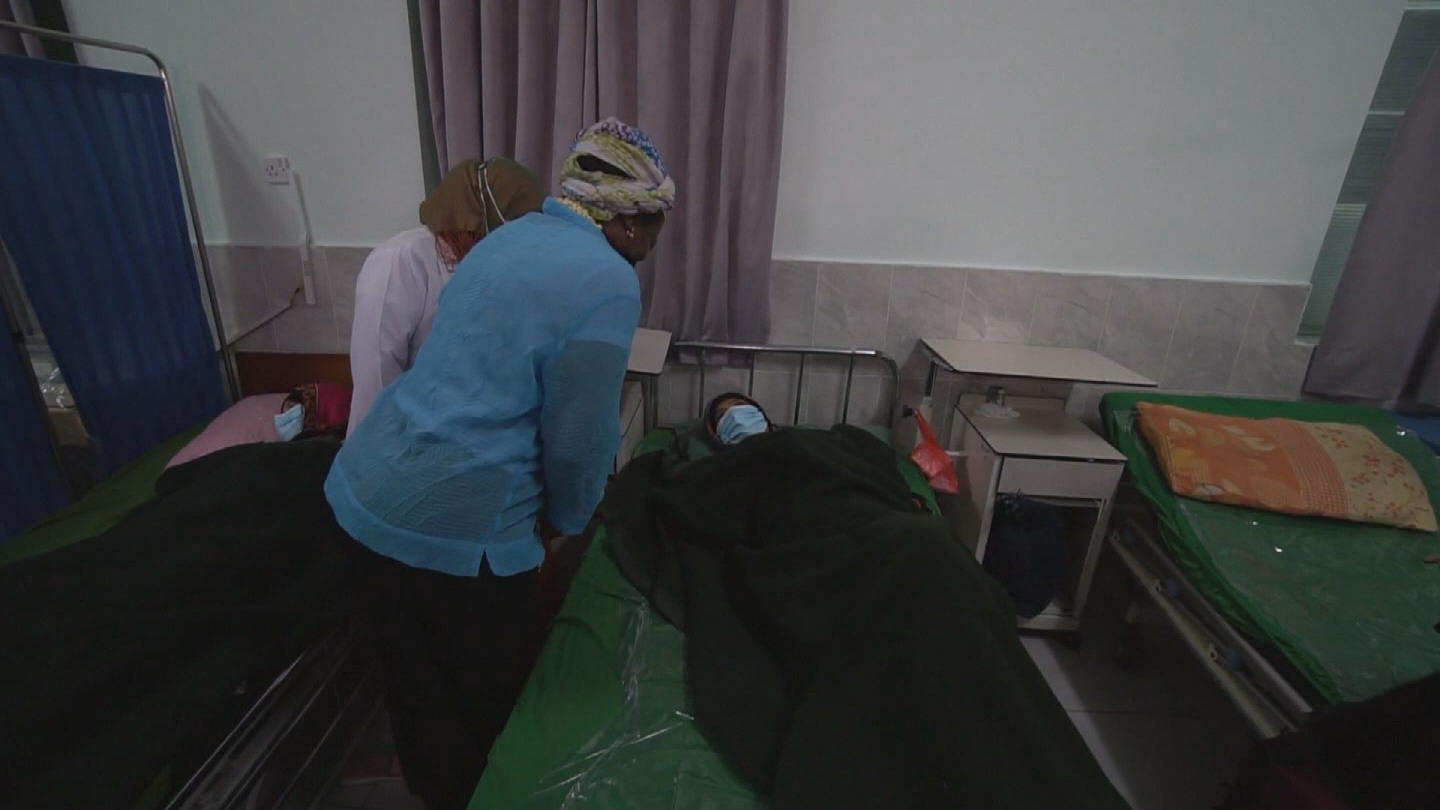
1. Wide shot, inside the maternity tent, a woman in pain
2. Close up, the woman’s hand
3. Wide shot, the woman
4. Med shot, the woman lying down
5. Med shot, woman in pain
6. Med shot, woman in pain
7. Close up, medical monitor
8. Med shot, the woman and medical monitors
9. SOUNDBITE (English) Elke Mayrhofer, UNFPA Regional Humanitarian Programme Advisor, Arab States Regional Office:
“We know women will not stop getting pregnant during crisis. They will not stop delivering during crisis.”
10. SOUNDBITE(English) Elke Mayrhofer, UNFPA Regional Humanitarian Programme Advisor, Arab States Regional Office:
“IMC (International Medical Corps) right now is the only service provider for comprehensive emergency obstetric care. So really, any complicated maternity cases, in addition to the Emirati hospital.”
11. SOUNDBITE(English) Elke Mayrhofer, UNFPA Regional Humanitarian Programme Advisor, Arab States Regional Office: “
“The main gynecologist here said we see an increase in preterm delivery. So that means babies that are being born before 37 weeks of gestation. There's an increase. We see an increase in low birth weight. We see an increase of women who come with miscarriages due to stress, due to the environment. And then they are able to help these women.”
12. Wide shot, inside the maternity tent
13. Wide shot, doctor talking with a woman
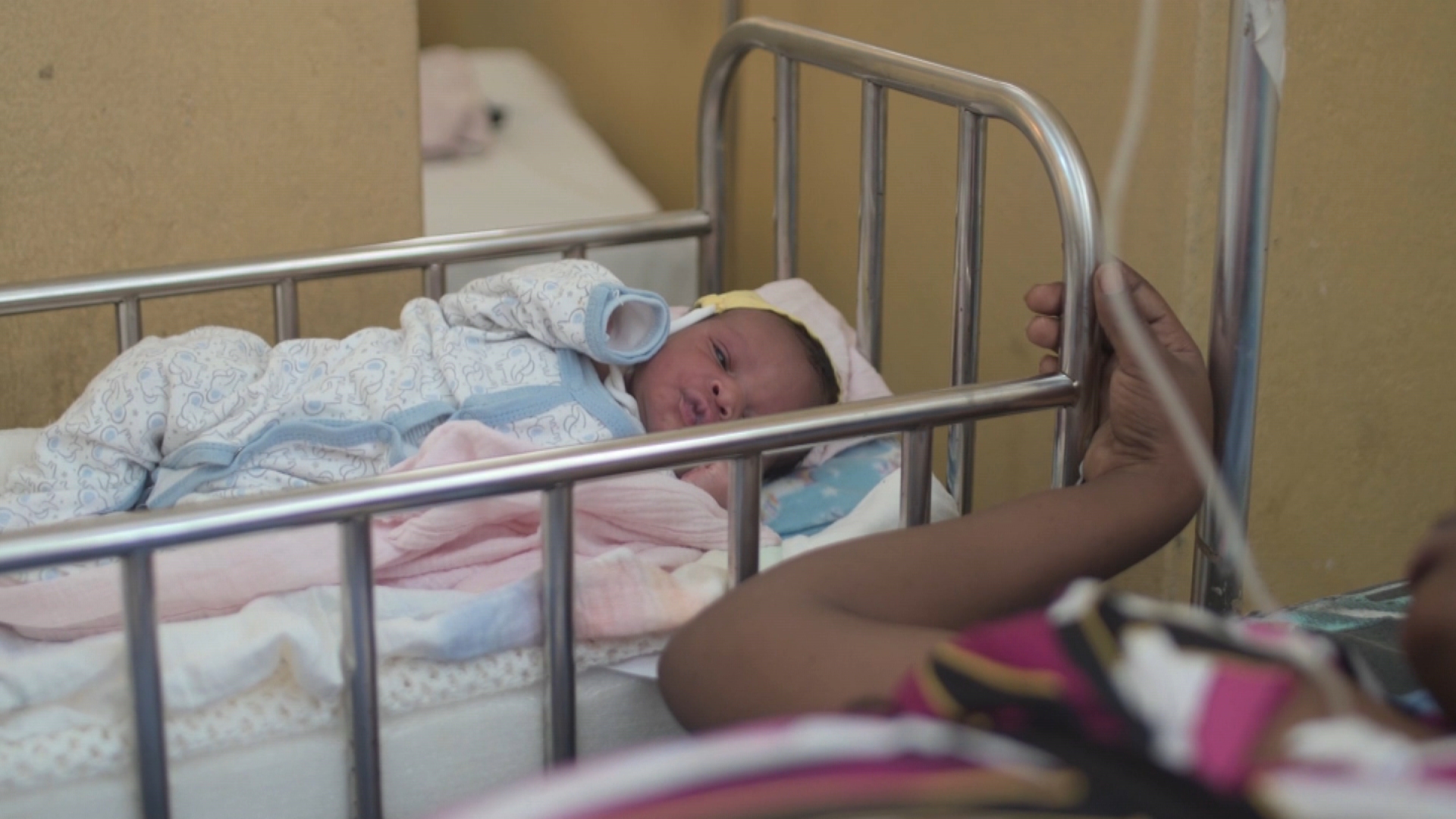
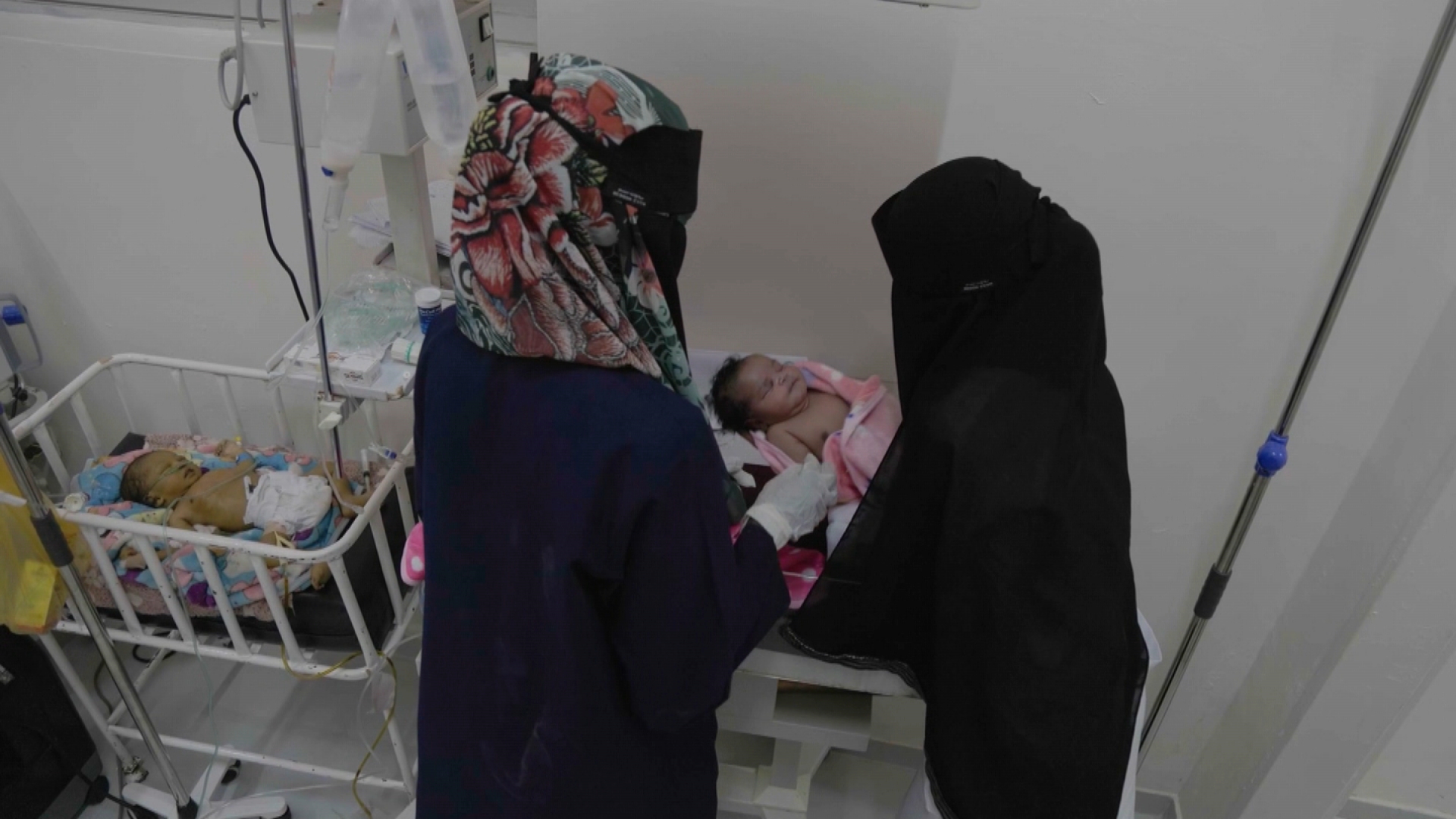
14. Wide shot, two newborn babies
15. Wide shot, two newborn babies
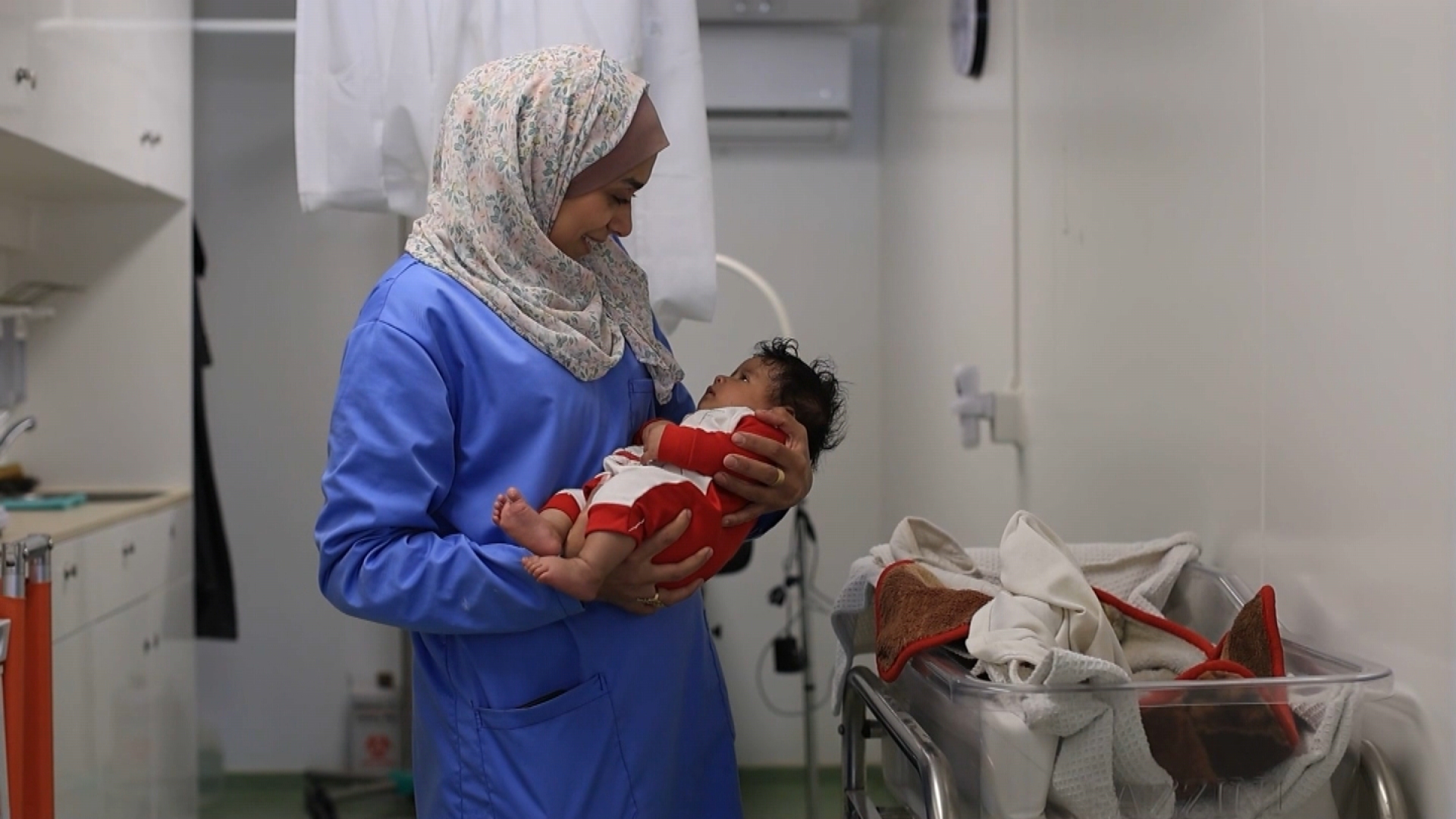
16. Med shot, a newborn baby
17. Wide shot, the mother
18. Wide shot, a newborn baby and the mother
19. Close up, the newborn baby
20. Wide shot, a newborn baby and the mother
21. Wide shot, Ms. Mayrhofer, UNFPA Regional Humanitarian Programme Advisor, Arab States, chatting with the mother
22. SOUNDBITE(Arabic) Dr. Shaaban Shorrab, Consultant Obstetrics & Gynecology, International Medical Corps:
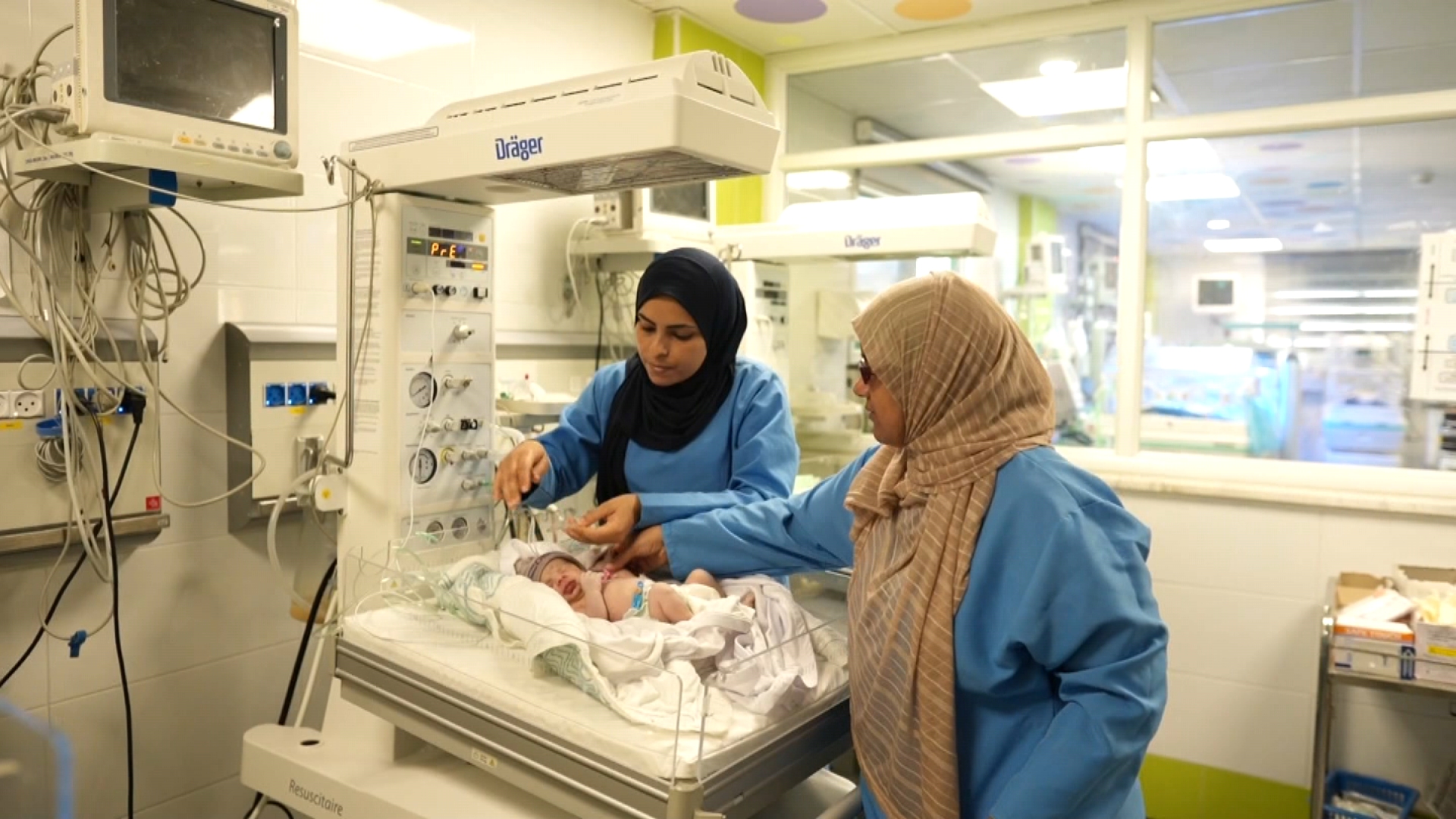
“Currently, we are trying to upgrade the nurseries here to the highest level within the IMC (International Medical Corps). The neonatal doctor is available around the clock, 24 hours a day, receiving all childbirth cases, whether natural or cesarean. Nurseries are available, and we are striving in the coming period, God willing, to have an intensive care unit for premature babies or newborns.”
23. Wide shot, International Medical Corps field hospital
24. Wide shot,, International Medical Corps field hospital
25. Wide shot, UNFPA Hospitainer (the mobile maternity unit)
26. Med shot, UNFPA Hospitainer
27. Close up, UNFPA Hospitainer
28. Wide shot, UNFPA Hospitainer
29. Wide shot, UNFPA maternity tents
30. Med shot, UNFPA staff outside of the hospitainer
31. Med shot, maternity bed inside the hospitainer
32. Wide shot, maternity bed
33. Med shot, maternity bed and baby bed
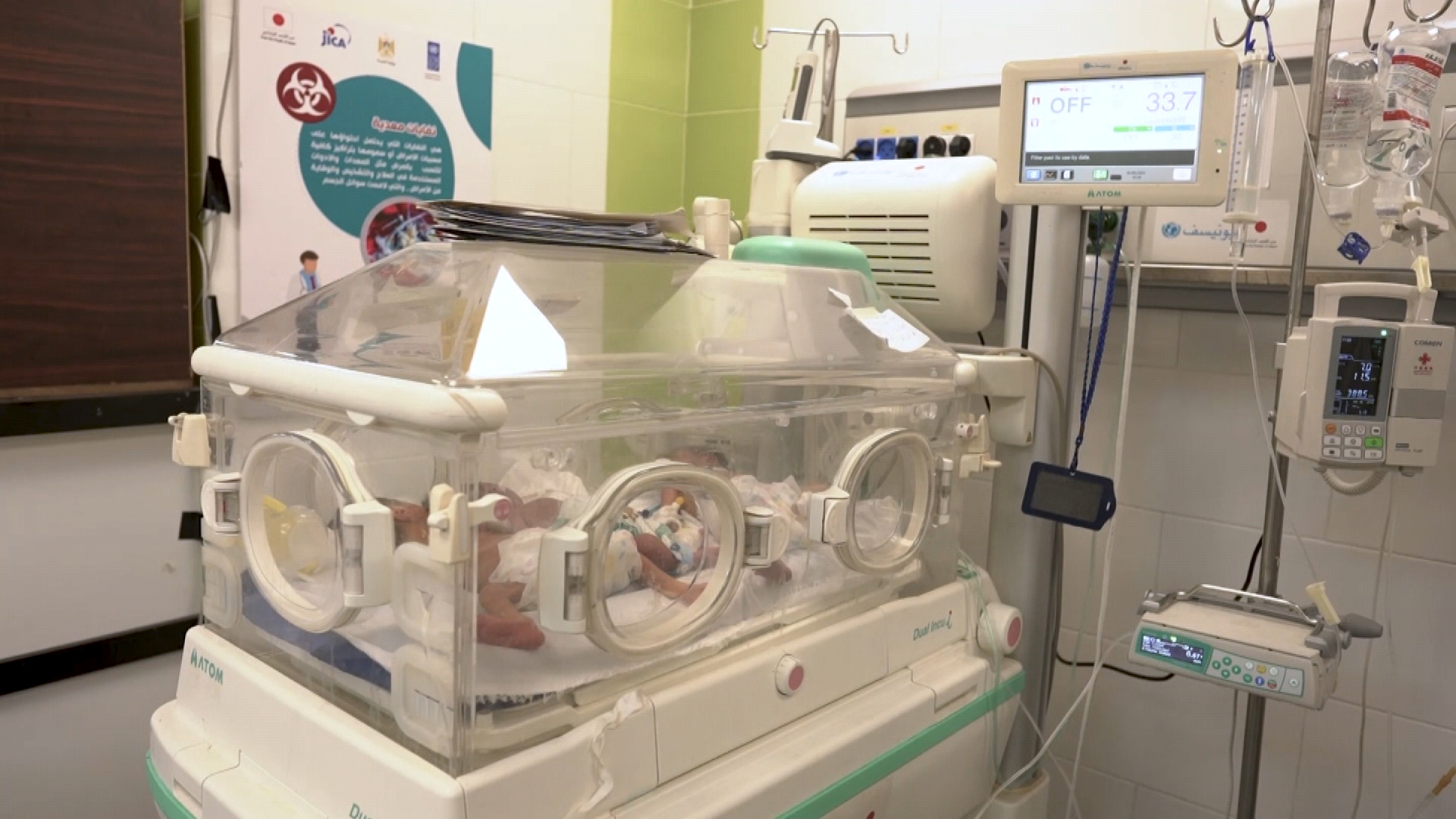
34. Med shot, incubator
35. Med shot, medical equipment
36. Med shot, staff members inside the hospitainer
37. Med shot, inside the hospitainer
38. Med shot, staff members inside the maternity tents
39. Close up, medical equipment
40. Close up, medical supplies
41. Wide shot, medical supplies
42. Med shot, maternity bed
43. Close up, UNFPA staff taking notes
44. Wide shot, inside the maternity tents
45. Wide shot, staff members inside the maternity tents
46. Wide shot, inside the maternity tents
47. Wide shot, staff members
48. Med shot, staff members
Seven months of war in Gaza has caused unimaginable suffering. Communities have been obliterated, homes demolished, entire families and generations wiped out, and lives shattered. Now famine, and the diseases that stalk it, is looming.
Nearly 1.2 million people are crammed into Rafah – a city that is now home to five times more people than usual. Many people have been displaced multiple times. The conditions are desperate – people have little to eat, hardly any access to medical care and nowhere safe to sleep or to go.
Today, major hospitals lie in ruins across Gaza and not a single health facility is fully operational. Rafah is the main hub of the humanitarian response in Gaza and has some of its last functioning health facilities. This includes the Al-Helal Al-Emirati Maternity Hospital, which is now the main facility for the estimated 28,000 pregnant women in Rafah, managing on average 60 deliveries every day, including around 12 C-sections. UNFPA’s Representative in the State of Palestine visited the hospital earlier this month – doctors reported that pregnant women were malnourished, dehydrated, exhausted, and stressed, giving rise to an increase in premature births and a situation where they no longer see healthy-sized babies.
To increase access to maternal health care, UNFPA has stationed a mobile maternity unit at the Al Mawasi Field Hospital, in Rafah, operated by its partner, the International Medical Corps. The 40-foot unit arrived in Rafah on 9 April, along with laboratory equipment; and two tents, equipped and stocked with supplies for both normal deliveries and for the management of obstetric complications, including surgical capacity for c-sections and blood transfusions. Two more mobile maternity units are in Al Arish, Egypt, ready to be delivered to Gaza to provide life-saving care to women experiencing complications during pregnancy and childbirth.
Trauma has replaced joy for pregnant and breastfeeding women in Gaza. Newborns are dying because their mothers are unable to attend prenatal or postnatal check-ups. Babies are born so small they have no chance of surviving the first few days of life. If women and newborns do survive pregnancy and childbirth, they must return to makeshift shelters mere hours after delivery. They are too malnourished to produce milk for their babies, and when formula is available and affordable, finding the clean water to boil and mix with it is a challenge.
The only way to end this nightmare for pregnant and breastfeeding women and their newborns is for the immediate release of all hostages in Gaza and an end to the conflict. They need peace.