Media Home
 UN Web TV
 UN Photo
Unifeed
UNFPA / GAZA RAFAH MATERNITY CARE
STORY: UNFPA / GAZA RAFAH MATERNITY CARE
TRT:6:24
SOURCE: UNFPA
RESTRICTIONS: PLEASE CREDIT UNFPA ON SCREEN
LANGUAGE: ARABIC / NATS
DATELINE: 05 FEBRUARY 2024, AL-HELAL AL-EMIRATI MATERNITY HOSPITAL, RAFAH, GAZA
1. Med, four babies in one infant bed
2. Closeup, one of the four babies
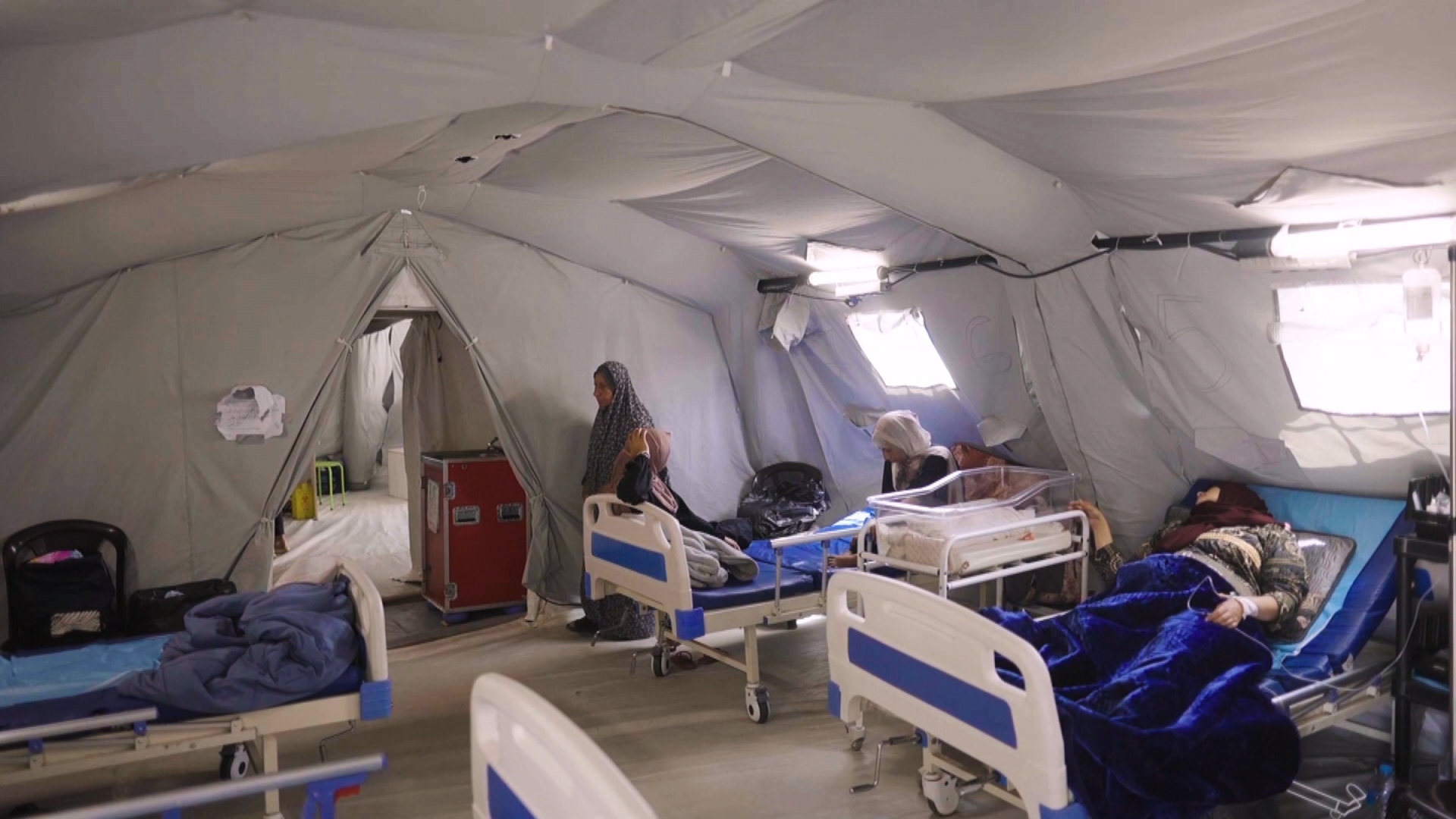
3. Wide, hospital room
4. Wide, three babies in an incubator
5. Med, two babies in an incubator
6. Wide, monitors
7. Closeup, a baby on ventilator
8. Wide, three babies in one incubator
9. Closeup, three babies in one incubator
10. SOUNDBITE(Arabic) Dr. Ahmed Al Shaer, Pediatric Specialist at the Al-Helal Al-Emirati Maternity Hospital: “Today we're facing the worst humanitarian conditions, worse than what you can find anywhere else in the world.”
11. SOUNDBITE(Arabic) Dr. Ahmed Al Shaer, Pediatric Specialist at the Al-Helal Al-Emirati Maternity Hospital: “As everyone knows, the only nursery that's almost operational in the Gaza Strip today is [the Al-Helal Al-Emirati Maternity Hospital] in Rafah. Today, in Rafah, there are nearly 1.5 million citizens, whereas the initial population of Rafah was almost but not exceeding 300,000.”
12. SOUNDBITE(Arabic) Dr. Ahmed Al Shaer, Pediatric Specialist at the Al-Helal Al-Emirati Maternity Hospital: “Most of the cases we receive now involve infections, including gastrointestinal and respiratory infections. These are primarily attributed to the adverse weather conditions that children endure in tents and shelters, as well as the lack of formula, healthy milk, and clean water. Because most of the children only get poorly prepared formula, and some children may not find milk at all, leading their families to feed them whatever is available.”
13. SOUNDBITE(Arabic) Dr. Ahmed Al Shaer, Pediatric Specialist at the Al-Helal Al-Emirati Maternity Hospital: “Of course, recently, we had many cases of premature birth in the seventh and eighth month. ”
14. SOUNDBITE(Arabic) Dr. Ahmed Al Shaer, Pediatric Specialist at the Al-Helal Al-Emirati Maternity Hospital: “And this is a result of terror and anxiety, causing contractions in the uterus, leading to premature birth.”
15. SOUNDBITE(Arabic) Dr. Ahmed Al Shaer, Pediatric Specialist at the Al-Helal Al-Emirati Maternity Hospital: “ Unfortunately, we now admit the newborns and fervently pray for them, but it's exceedingly challenging for them to survive in this situation rife with infections and complications. Most of them do not survive, which is deeply distressing for us as a team.”
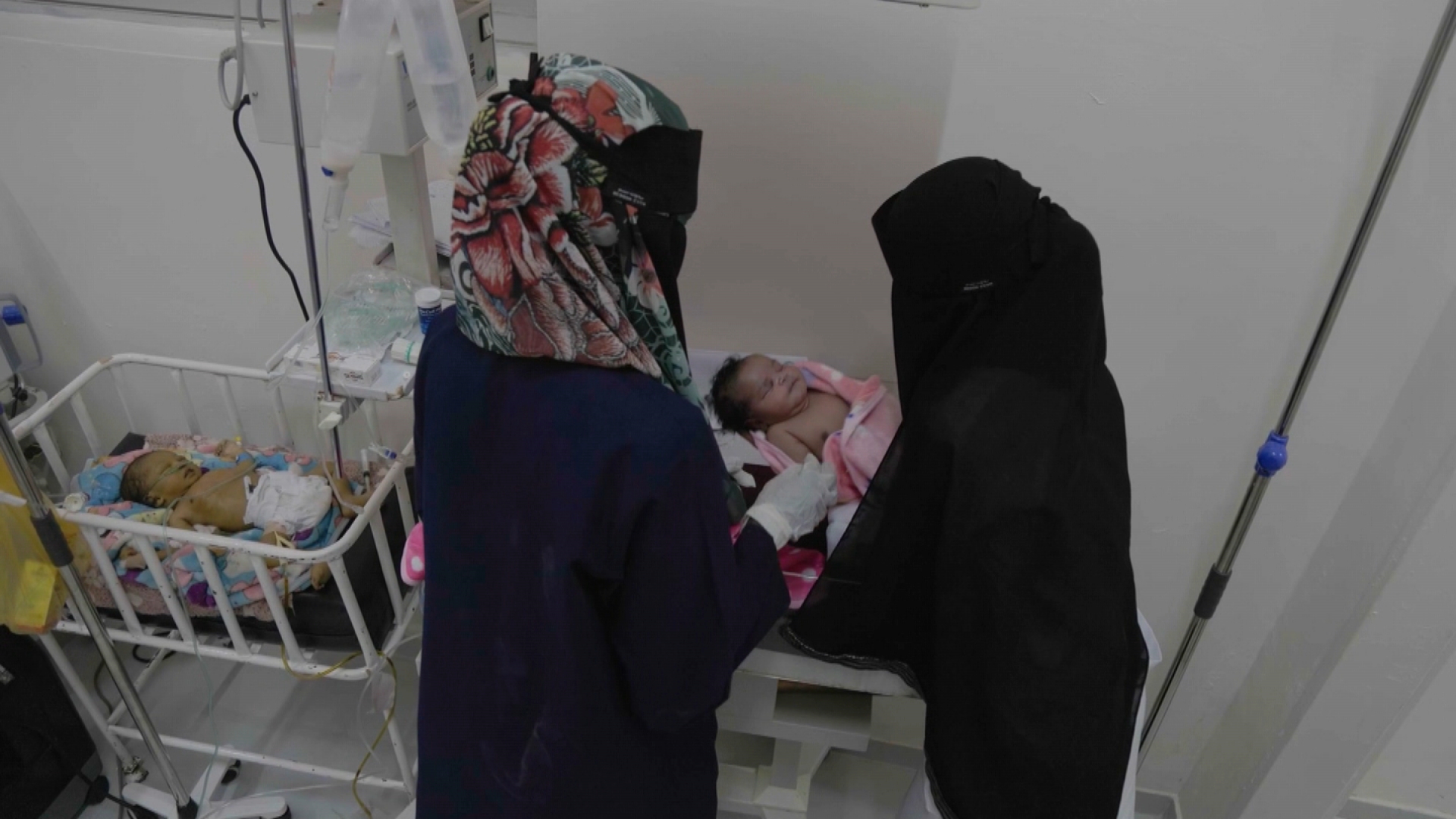
16. Med, two babies in one infant bed
17. Closeup, two babies in one infant bed
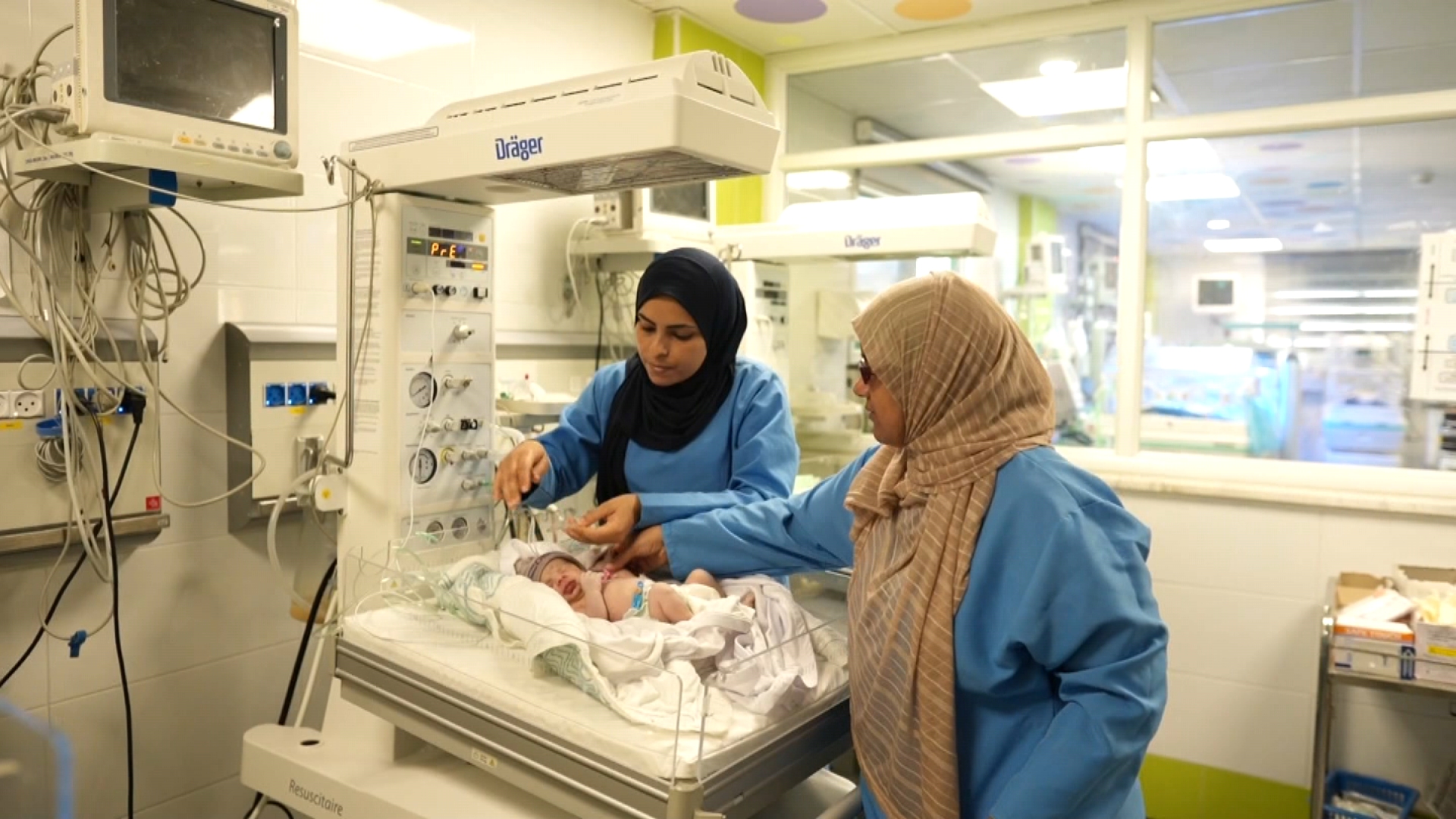
18. Med, a doctor caring for a baby
19. Closeup, a doctor caring for a baby
20. Closeup, two babies in one incubator
21. Closeup, a baby in incubator
22. Wide, incubators
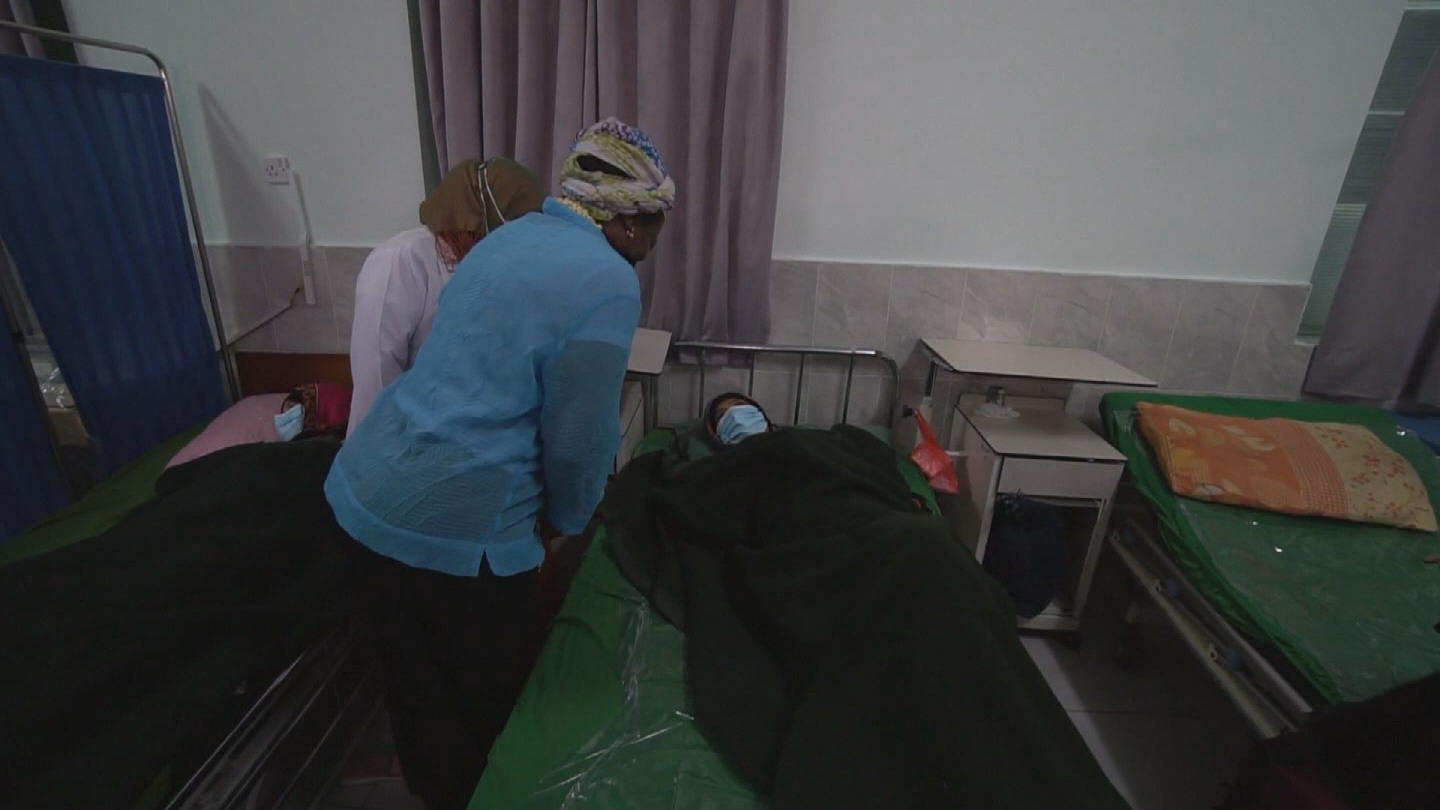
23. Med, two babies in one infant bed
24. SOUNDBITE(Arabic) Dr. Diaa Abu Kwaik, Nursing Director of the Al-Helal Al-Emirati Maternity Hospital: “ Cases, particularly childbirth and infant cases, have been on the rise at Al-Helal Al-Emirati Hospital in Gaza.”
25. SOUNDBITE(Arabic) Dr. Diaa Abu Kwaik, Nursing Director of the Al-Helal Al-Emirati Maternity Hospital: “ Now the 20 incubators accommodate 77 newborns. As you can see, there are four infants per incubator. This number indicates a significant risk of a serious catastrophe in the Gaza Strip, including the spread of epidemics and diseases among infants. Placing a preterm infant next to another who is a month and a half old, as well as several other infants nearby, could harm this newborn.”
26. SOUNDBITE(Arabic) Dr. Diaa Abu Kwaik, Nursing Director of the Al-Helal Al-Emirati Maternity Hospital: “We hope that the relevant authorities intervene to stop this disastrous incubator situation at the Al-Helal Al-Emirati Hospital.”
27. SOUNDBITE(Arabic) Dr. Diaa Abu Kwaik, Nursing Director of the Al-Helal Al-Emirati Maternity Hospital: “There are children who have recovered, but their parents are absent. We have tried to locate their parents, who are either missing or martyred. Due to this dire situation, Al-Helal Al-Emirati Hospital's incubators are caring for children who have no families.”
28. Closeup, an incubator labeled as “Incubator is out of service. Please don't put any baby inside.”
29. Closeup, a baby in an incubator, with a label showing the parent’s name, the baby’s blood type and date of birth, and a note stating, "The child can be evacuated, but no family came to take him."
30. Closeup, an incubator
31. Closeup, an incubator
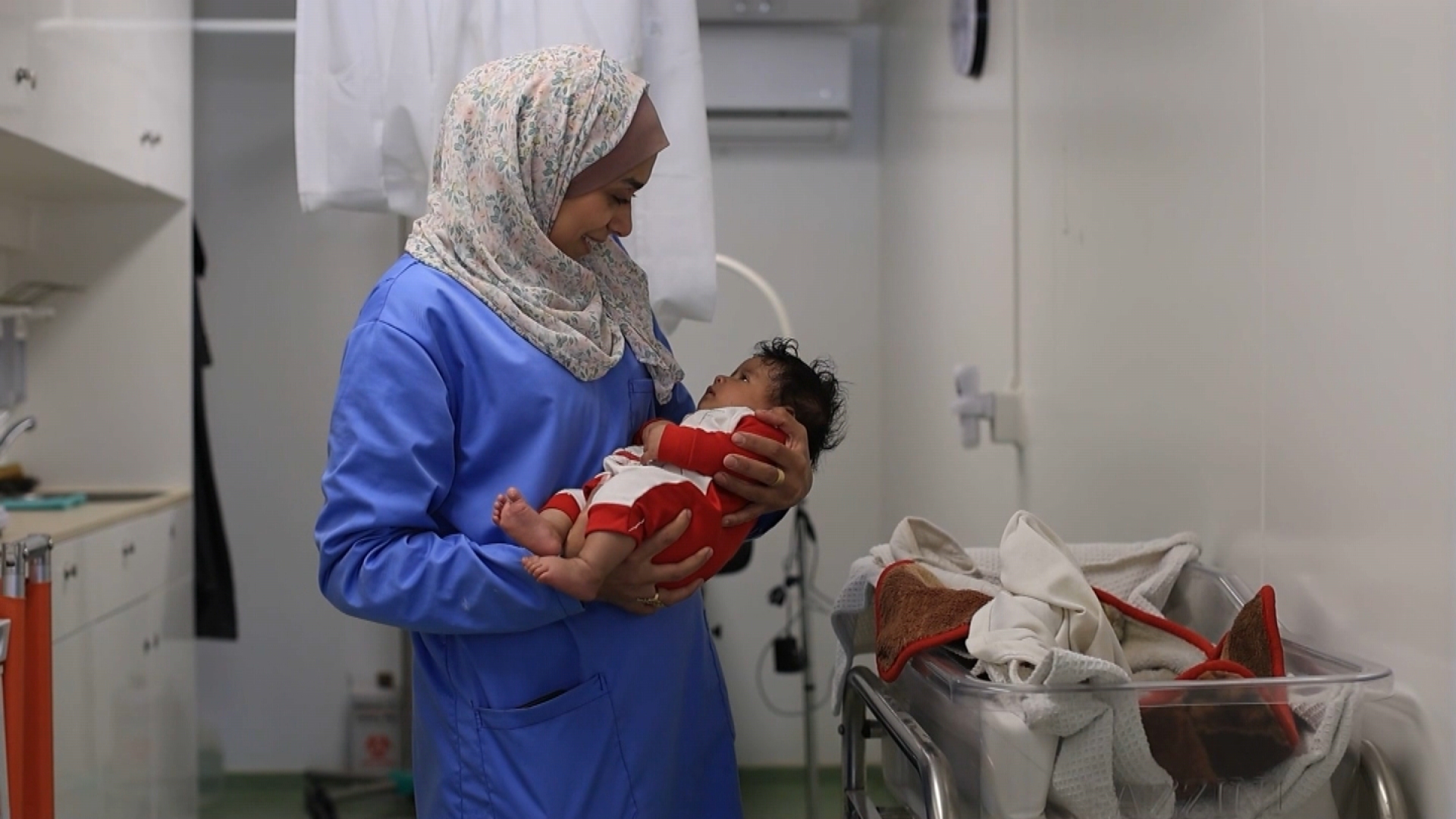
32. Med, a health worker
33. Med, a health worker and a woman holding a young child.
34. Wide, hospital hallway
35. Closeup, soup
36. Med, two women in hospital hallway
37. SOUNDBITE(Arabic) Suhad Matar, 36, expectant mother: “Horror. Unbelievable terror. The thing I suffered the most from was extreme terror.”
38. SOUNDBITE(Arabic) Suhad Matar, 36, expectant mother: “Currently, in Rafah, we are sitting in a tent, and the situation is very difficult. Every time it rains, the tent floods, and our beds get wet. We don't know what to do. It takes two or three days for the beds to dry out. Today, I am scheduled for a cesarean section, then I'll return to the same suffering in the tent.”
39. SOUNDBITE(Arabic) Suhad Matar, 36, expectant mother: “After giving birth, I anticipate facing numerous difficulties, from physical pain to an ice-cold tent. And on top of that, there are no clothes available for the baby. I mean, what's her fault to be born in a situation like this?”
40. Med, dirty water on hospital floor
41. Med, dirty hospital floor
42. Wide, people walking on dirty hospital floor, and medical supplies
43. Wide, hospital waiting area
44. Med, hospital waiting area
45. Med, hospital waiting area
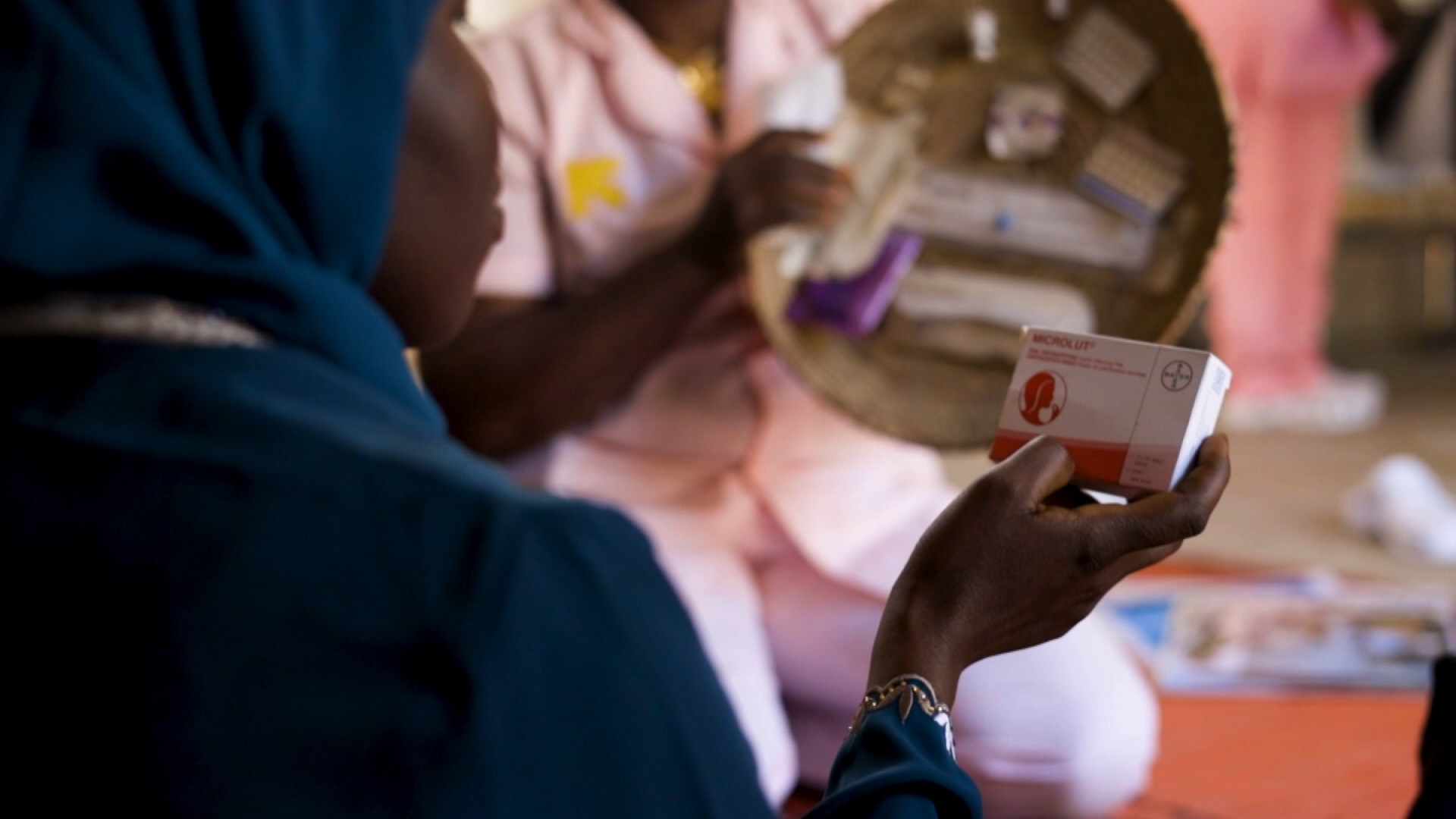
46. Closeup, UNFPA menstrual hygiene management kit
47. Closeup, a woman holding UNFPA menstrual hygiene management kit
48. Wide, hospital exterior
49. Med, hospital exterior
More than half of Gaza’s population of over 2 million – including tens of thousands of pregnant women, new mothers and newborns – is now crammed into Rafah, a town of originally 250,000 people. Their living conditions are abysmal – people lack the basic necessities to survive, and are stalked by hunger, disease and death. Many of them have been displaced more than once. The flimsy tents of Rafah are their last hope – the people of Gaza have nowhere else to go.
Inside the Al-Helal Al-Emirati Maternity Hospital, the reality is stark. The hospital is overwhelmed and struggling to provide adequate care to newborns and mothers. Put simply – if the bombs don't kill pregnant women, if disease, hunger, and dehydration don't catch up with them, simply giving birth could.
Further attacks on Rafah would mark another devastating turn in a war that has reportedly claimed the lives of more than 28,000 people – most of them women and children. Thousands more could die in the violence or through lack of access to food, water and essential, life-saving services. It also risks further hampering the delivery of humanitarian aid, already limited by insecurity, damaged infrastructure and access restrictions.
Despite insecurity, UNFPA and partners have delivered life-saving medicines and equipment which have supported over half of the births in Gaza since the war began on 7 October. But it is not enough - safe access is urgently needed to reach all pregnant women in Gaza.
Humanity must prevail. There must be an immediate humanitarian ceasefire in Gaza, and the safe and immediate release of all hostages. This will allow for the expansion of the humanitarian response, ensure that Gaza’s last remaining hospitals stay functional and protect the lives of pregnant women, new mothers and newborns, which are hanging by a thread.
Download
There is no media available to download.
Related Content
UNFPA / GAZA MOBILE MATERNITY UNIT